
reexamine them in a way that they might be useful for healthcare for health
be useful for healthcare for health
be useful for healthcare for health sciences so when I say motored or
sciences so when I say motored or
sciences so when I say motored or rehabilitation some of you may be
rehabilitation some of you may be
rehabilitation some of you may be familiar with this term it generally
familiar with this term it generally
familiar with this term it generally refers to rehabilitation or recovery
refers to rehabilitation or recovery
refers to rehabilitation or recovery from a motor movement or a neurological
from a motor movement or a neurological
from a motor movement or a neurological brain related disorder okay but turns
brain related disorder okay but turns
brain related disorder okay but turns out that there’s a lot that fits within
out that there’s a lot that fits within
out that there’s a lot that fits within that umbrella I myself was a target of
that umbrella I myself was a target of
that umbrella I myself was a target of rehabilitation I’m going to start by
rehabilitation I’m going to start by
rehabilitation I’m going to start by talking about that
well I think someone will come on stage
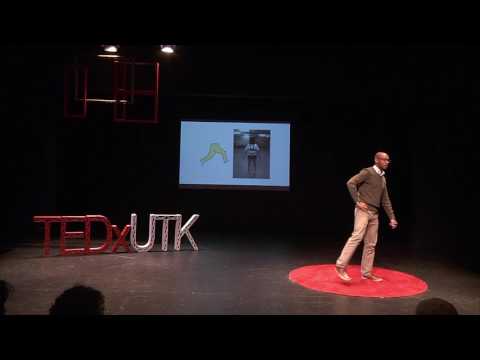
well I think someone will come on stage oh all right so that is the picture of
oh all right so that is the picture of
oh all right so that is the picture of me where any one of my favorite soccer
me where any one of my favorite soccer
me where any one of my favorite soccer jerseys from 2009 and I am
jerseys from 2009 and I am
jerseys from 2009 and I am rehabilitating my knee
rehabilitating my knee
rehabilitating my knee incident that led to this was at the
incident that led to this was at the
incident that led to this was at the time in 2009 I was an avid amateur
time in 2009 I was an avid amateur
time in 2009 I was an avid amateur soccer player I was very interested a
soccer player I was very interested a
soccer player I was very interested a bit thank those of you who played soccer
bit thank those of you who played soccer
bit thank those of you who played soccer will know of a move on a correct term
will know of a move on a correct term
will know of a move on a correct term coined by a famous Dutch soccer player
coined by a famous Dutch soccer player
coined by a famous Dutch soccer player this is a move where also ACL and
anterior posterior among other things
anterior posterior among other things when you try to twist about that knee
when you try to twist about that knee
when you try to twist about that knee these of stabilized but if you twist too
these of stabilized but if you twist too
these of stabilized but if you twist too much me that you can see in the image
much me that you can see in the image
much me that you can see in the image there went pop I went to see a physical
there went pop I went to see a physical
there went pop I went to see a physical therapist I did the recovery surgery and
therapist I did the recovery surgery and
therapist I did the recovery surgery and ultimately what happens after you get
ultimately what happens after you get
ultimately what happens after you get the surgeries you go home and you have
the surgeries you go home and you have
the surgeries you go home and you have to maintain a bunch of different tasks
to maintain a bunch of different tasks
to maintain a bunch of different tasks ok
ok
ok so I went home I hope my physical
so I went home I hope my physical
so I went home I hope my physical therapist is not watching because I did
therapist is not watching because I did
therapist is not watching because I did something like 70% of what I was
something like 70% of what I was
something like 70% of what I was supposed to do
supposed to do
supposed to do ok why did I only do 70% well I still
ok why did I only do 70% well I still
ok why did I only do 70% well I still had to work so there were times where I
had to work so there were times where I
had to work so there were times where I was pressed for time and I just needed
was pressed for time and I just needed
was pressed for time and I just needed to get to work I needed to cook or you
to get to work I needed to cook or you
to get to work I needed to cook or you know had other things sort of pressing
know had other things sort of pressing
know had other things sort of pressing on my schedule
on my schedule
on my schedule other times I forgot exactly what I was
other times I forgot exactly what I was
other times I forgot exactly what I was supposed to do so I would get a sheet of
supposed to do so I would get a sheet of
supposed to do so I would get a sheet of paper or I would write down take some
paper or I would write down take some
paper or I would write down take some notes but I would get home and I
notes but I would get home and I
notes but I would get home and I couldn’t quite remember okay
couldn’t quite remember okay
couldn’t quite remember okay so there’s sort of these two competing
so there’s sort of these two competing
so there’s sort of these two competing issues here one issue was me going home
issues here one issue was me going home
issues here one issue was me going home not remembering what I needed to do or
not remembering what I needed to do or
not remembering what I needed to do or not being motive it sufficiently
not being motive it sufficiently
not being motive it sufficiently motivated to do what I needed to do but
motivated to do what I needed to do but
motivated to do what I needed to do but also when I went back in and saw my
also when I went back in and saw my
also when I went back in and saw my clinician she would say hey what did you
clinician she would say hey what did you
clinician she would say hey what did you do and I would say oh I did what you
do and I would say oh I did what you
do and I would say oh I did what you told me to do right but I wouldn’t
told me to do right but I wouldn’t
told me to do right but I wouldn’t necessarily remember everything right so
necessarily remember everything right so
necessarily remember everything right so there’s also this issue of my physical
there’s also this issue of my physical
there’s also this issue of my physical therapist trying to make decisions when
therapist trying to make decisions when
therapist trying to make decisions when she doesn’t have the complete picture of
she doesn’t have the complete picture of
she doesn’t have the complete picture of what I was
what I was
what I was when I wasn’t being supervised so that’s
when I wasn’t being supervised so that’s
when I wasn’t being supervised so that’s really what I want to talk about today
really what I want to talk about today
really what I want to talk about today this idea of how we can one help the
this idea of how we can one help the
this idea of how we can one help the clinician to better monitor what’s
clinician to better monitor what’s
clinician to better monitor what’s happening to people when they’re not in
happening to people when they’re not in
happening to people when they’re not in the clinical setting and to how can we
the clinical setting and to how can we
the clinical setting and to how can we influence those individuals how can we
influence those individuals how can we
influence those individuals how can we change their behavior in those clinical
change their behavior in those clinical
change their behavior in those clinical settings and that’s really what I’m
settings and that’s really what I’m
settings and that’s really what I’m referring to here with motor neurone or
referring to here with motor neurone or
referring to here with motor neurone or neuro rehabilitation okay so it wasn’t
neuro rehabilitation okay so it wasn’t
neuro rehabilitation okay so it wasn’t just me lots of people have had the ACL
just me lots of people have had the ACL
just me lots of people have had the ACL injury in fact in the u.s. right now
injury in fact in the u.s. right now
injury in fact in the u.s. right now there’s about a hundred thousand people
there’s about a hundred thousand people
there’s about a hundred thousand people per year who one way or another end up
per year who one way or another end up
per year who one way or another end up damaging the ACL about half of those
damaging the ACL about half of those
damaging the ACL about half of those individuals go on to get the surgery to
individuals go on to get the surgery to
individuals go on to get the surgery to repair that ACL one interesting question
repair that ACL one interesting question
repair that ACL one interesting question that some of our clinical partners have
that some of our clinical partners have
that some of our clinical partners have posed is do we know what people are
posed is do we know what people are
posed is do we know what people are doing immediately after the surgery and
doing immediately after the surgery and
doing immediately after the surgery and I’ll talk a little bit later about why
I’ll talk a little bit later about why
I’ll talk a little bit later about why that might be important for long-term
that might be important for long-term
that might be important for long-term outcomes but there are lots of other
outcomes but there are lots of other
outcomes but there are lots of other populations as you start to think about
populations as you start to think about
populations as you start to think about this who might benefit from this kind of
this who might benefit from this kind of
this who might benefit from this kind of in-home care those of you who know we
in-home care those of you who know we
in-home care those of you who know we are living in the stroke belt here in
are living in the stroke belt here in
are living in the stroke belt here in East Tennessee there is a very high
East Tennessee there is a very high
East Tennessee there is a very high incidence of stroke within this region
incidence of stroke within this region
incidence of stroke within this region okay for those of you unfamiliar with
okay for those of you unfamiliar with
okay for those of you unfamiliar with stroke stroke essentially means some
stroke stroke essentially means some
stroke stroke essentially means some type of cell death in the brain
type of cell death in the brain
type of cell death in the brain oftentimes that cell death occurs in one
oftentimes that cell death occurs in one
oftentimes that cell death occurs in one Hemisphere and you can see that the
Hemisphere and you can see that the
Hemisphere and you can see that the opposite side of that individual has
opposite side of that individual has
opposite side of that individual has some partial paralysis so a large number
some partial paralysis so a large number
some partial paralysis so a large number these individuals have upper extremity
these individuals have upper extremity
these individuals have upper extremity problems gait problems facial problems
problems gait problems facial problems
problems gait problems facial problems over 800,000 people a year in the US are
over 800,000 people a year in the US are
over 800,000 people a year in the US are having stroke and if that number is
having stroke and if that number is
having stroke and if that number is increasing okay so for these individuals
increasing okay so for these individuals
increasing okay so for these individuals we know that increased practice with
we know that increased practice with
we know that increased practice with that limb when they go home is critical
that limb when they go home is critical
that limb when they go home is critical they don’t get increased practice they
they don’t get increased practice they
they don’t get increased practice they lose some of the motor function there
lose some of the motor function there
lose some of the motor function there they may lose some of the neurological
they may lose some of the neurological
they may lose some of the neurological substrate that’s required to control
substrate that’s required to control
substrate that’s required to control that limb quality of life changes there
that limb quality of life changes there
that limb quality of life changes there are all of these other additional
are all of these other additional
are all of these other additional comorbidities or other medical problems
comorbidities or other medical problems
comorbidities or other medical problems that can result from simply not getting
that can result from simply not getting
that can result from simply not getting increased practice with that limb so if
increased practice with that limb so if
increased practice with that limb so if we could monitor how people were using
we could monitor how people were using
we could monitor how people were using that limb and encourage them to use that
that limb and encourage them to use that
that limb and encourage them to use that limb again in the home setting that
limb again in the home setting that
limb again in the home setting that could make drastic difference in
could make drastic difference in
could make drastic difference in people’s lives and beyond just
people’s lives and beyond just
people’s lives and beyond just monitoring there are a large number of
monitoring there are a large number of
monitoring there are a large number of other groups for whom home practice
other groups for whom home practice
other groups for whom home practice would be important so for individuals
would be important so for individuals
would be important so for individuals who receive cochlear implants many
who receive cochlear implants many
who receive cochlear implants many children are born with some partial
children are born with some partial
children are born with some partial hearing loss they may receive a cochlear
hearing loss they may receive a cochlear
hearing loss they may receive a cochlear implant and what becomes important is
implant and what becomes important is
implant and what becomes important is practicing verbalizing those words
practicing verbalizing those words
practicing verbalizing those words practicing hearing those words and doing
practicing hearing those words and doing
practicing hearing those words and doing it correctly with a therapist sometimes
it correctly with a therapist sometimes
it correctly with a therapist sometimes this can be done over the internet but
this can be done over the internet but
this can be done over the internet but often times the therapist may have
often times the therapist may have
often times the therapist may have limited time people may be remote from a
limited time people may be remote from a
limited time people may be remote from a location where they can get tree
location where they can get tree
location where they can get tree so thinking about these populations are
so thinking about these populations are
so thinking about these populations are there ways we could provide something in
there ways we could provide something in
there ways we could provide something in the home setting for these individuals
the home setting for these individuals
the home setting for these individuals that could help them with some of that
that could help them with some of that
that could help them with some of that practice and of course I’m talking about
practice and of course I’m talking about
practice and of course I’m talking about these because these are all things that
these because these are all things that
these because these are all things that we’re doing to some extent in our lab so
we’re doing to some extent in our lab so
we’re doing to some extent in our lab so at a high level the approach that we’re
at a high level the approach that we’re
at a high level the approach that we’re taking and how I’m trying to think about
taking and how I’m trying to think about
taking and how I’m trying to think about some of these technologies as ways of
some of these technologies as ways of
some of these technologies as ways of assisting the existing or I should say
assisting the existing or I should say
assisting the existing or I should say supplementing the existing healthcare
supplementing the existing healthcare
supplementing the existing healthcare system
system
system is illustrated by this image okay this
is illustrated by this image okay this
is illustrated by this image okay this image if you’re an engineer you might
image if you’re an engineer you might
image if you’re an engineer you might recognize as a block diagram for a
recognize as a block diagram for a
recognize as a block diagram for a control system you’re not an engineer
control system you’re not an engineer
control system you’re not an engineer let me just quickly explain what that is
let me just quickly explain what that is
let me just quickly explain what that is we all utilize control systems every day
we all utilize control systems every day
we all utilize control systems every day to think about a simple example you’re
to think about a simple example you’re
to think about a simple example you’re on the 40 freeway you want to 70 boom
on the 40 freeway you want to 70 boom
on the 40 freeway you want to 70 boom some of us don’t want to go the full
some of us don’t want to go the full
some of us don’t want to go the full speed limit but I want to go 70 miles
speed limit but I want to go 70 miles
speed limit but I want to go 70 miles per hour at least on the freeway so what
per hour at least on the freeway so what
per hour at least on the freeway so what do I do
do I do
do I do I apply an actuation to the system I
I apply an actuation to the system I
I apply an actuation to the system I move my foot what does that do that
move my foot what does that do that
move my foot what does that do that forces the car to go some speed okay
forces the car to go some speed okay
forces the car to go some speed okay now the car is going some speed how do I
now the car is going some speed how do I
now the car is going some speed how do I know what speed it’s going I need to use
know what speed it’s going I need to use
know what speed it’s going I need to use some kind of a feedback loop so I look
some kind of a feedback loop so I look
some kind of a feedback loop so I look at a speedometer it tells me I’m going
at a speedometer it tells me I’m going
at a speedometer it tells me I’m going 60 okay
60 okay
60 okay I know 70 is the target 70 minus 60 I
I know 70 is the target 70 minus 60 I
I know 70 is the target 70 minus 60 I can say is 10 I’m an engineer I should
can say is 10 I’m an engineer I should
can say is 10 I’m an engineer I should be able to do that math at least and I
be able to do that math at least and I
be able to do that math at least and I see now that there’s this error of 10 so
see now that there’s this error of 10 so
see now that there’s this error of 10 so what I do I adjust my foot again so this
what I do I adjust my foot again so this
what I do I adjust my foot again so this is the reason we call it a control loop
is the reason we call it a control loop
is the reason we call it a control loop is you’re constantly looping until you
is you’re constantly looping until you
is you’re constantly looping until you minimize that error to get to a point
minimize that error to get to a point
minimize that error to get to a point where you want to be okay in our
where you want to be okay in our
where you want to be okay in our approach we’re looking at the human as
approach we’re looking at the human as
approach we’re looking at the human as the system that we’re trying to control
the system that we’re trying to control
the system that we’re trying to control and specifically the symptoms of the
and specifically the symptoms of the
and specifically the symptoms of the disease that that human is displaying so
disease that that human is displaying so
disease that that human is displaying so that human has some disease let’s say
that human has some disease let’s say
that human has some disease let’s say stroke or Parkinson’s disease we’re
stroke or Parkinson’s disease we’re
stroke or Parkinson’s disease we’re using wearable sensors to measure some
using wearable sensors to measure some
using wearable sensors to measure some component of that disease now it’s a
component of that disease now it’s a
component of that disease now it’s a sensor it’s a wearable sensor in other
sensor it’s a wearable sensor in other
sensor it’s a wearable sensor in other words this is something you place on the
words this is something you place on the
words this is something you place on the body this is something like a watch or
body this is something like a watch or
body this is something like a watch or some external non-invasive device so
some external non-invasive device so
some external non-invasive device so it’s not telling us nearly everything we
it’s not telling us nearly everything we
it’s not telling us nearly everything we need to know it’s only giving us one
need to know it’s only giving us one
need to know it’s only giving us one signal but nonetheless we’re taking this
signal but nonetheless we’re taking this
signal but nonetheless we’re taking this signal we try to make some meaning of
signal we try to make some meaning of
signal we try to make some meaning of that signal and then when we talk about
that signal and then when we talk about
that signal and then when we talk about minimizing the air we want to reduce the
minimizing the air we want to reduce the
minimizing the air we want to reduce the effect of that symptom so we now want to
effect of that symptom so we now want to
effect of that symptom so we now want to apply some type of input to the system
apply some type of input to the system
apply some type of input to the system and in this case what we use the
and in this case what we use the
and in this case what we use the combination of virtual reality and
combination of virtual reality and
combination of virtual reality and social robotics okay so in my remaining
social robotics okay so in my remaining
social robotics okay so in my remaining time I have plenty of remaining time
time I have plenty of remaining time
time I have plenty of remaining time well nothing I have enough remaining
well nothing I have enough remaining
well nothing I have enough remaining time I’m really going to focus on these
time I’m really going to focus on these
time I’m really going to focus on these two topics wearable sensors and social
two topics wearable sensors and social
two topics wearable sensors and social robotics and how they relate to this
robotics and how they relate to this
robotics and how they relate to this broader idea of looking at motor
broader idea of looking at motor
broader idea of looking at motor neurorehabilitation in the
neurorehabilitation in the
neurorehabilitation in the setting now when it comes to wearable
setting now when it comes to wearable
setting now when it comes to wearable sensors can anyone name a common
sensors can anyone name a common
sensors can anyone name a common commercially available wearable sensor
commercially available wearable sensor
commercially available wearable sensor Fitbit
Fitbit
Fitbit what does Fitbit doing step counting
what does Fitbit doing step counting
what does Fitbit doing step counting yeah but you’re wearing it on your wrist
yeah but you’re wearing it on your wrist
yeah but you’re wearing it on your wrist right but what it’s doing is when you
right but what it’s doing is when you
right but what it’s doing is when you take that when you go through that gate
take that when you go through that gate
take that when you go through that gate cycle it’s looking at how many times
cycle it’s looking at how many times
cycle it’s looking at how many times you’re swinging that arm and it’s using
you’re swinging that arm and it’s using
you’re swinging that arm and it’s using that to estimate okay for most people
that to estimate okay for most people
that to estimate okay for most people they swing their arm once per gates so
they swing their arm once per gates so
they swing their arm once per gates so therefore I can reconstruct the number
therefore I can reconstruct the number
therefore I can reconstruct the number of steps this individuals taking okay
of steps this individuals taking okay
of steps this individuals taking okay that’s one of a large number of sensors
that’s one of a large number of sensors
that’s one of a large number of sensors that are available can anyone think of
that are available can anyone think of
that are available can anyone think of something that they may not be thinking
something that they may not be thinking
something that they may not be thinking of as a sensor but most if not all of us
of as a sensor but most if not all of us
of as a sensor but most if not all of us have it sitting in our pocket right now
have it sitting in our pocket right now
have it sitting in our pocket right now yeah
yeah
yeah that’s not an audience plant I promise
that’s not an audience plant I promise
that’s not an audience plant I promise okay cell phone right so what sensor
okay cell phone right so what sensor
okay cell phone right so what sensor does your cell phone have that might be
does your cell phone have that might be
does your cell phone have that might be used to monitor your motion gyroscope
used to monitor your motion gyroscope
used to monitor your motion gyroscope accelerometer so for those of you are
accelerometer so for those of you are
accelerometer so for those of you are not familiar accelerometer is a device
not familiar accelerometer is a device
not familiar accelerometer is a device that measures acceleration in three axes
that measures acceleration in three axes
that measures acceleration in three axes linear axes gyroscopes measures rotation
linear axes gyroscopes measures rotation
linear axes gyroscopes measures rotation about axes okay when you flip your phone
about axes okay when you flip your phone
about axes okay when you flip your phone and it changes the face that’s because
and it changes the face that’s because
and it changes the face that’s because the accelerometer recognizes gravity is
the accelerometer recognizes gravity is
the accelerometer recognizes gravity is shifted and I need to shift this image
shifted and I need to shift this image
shifted and I need to shift this image okay so on your phone these devices are
okay so on your phone these devices are
okay so on your phone these devices are used not necessarily to monitor you but
used not necessarily to monitor you but
used not necessarily to monitor you but to make sure that the phone has some
to make sure that the phone has some
to make sure that the phone has some desired functionality but we can use
desired functionality but we can use
desired functionality but we can use those same types of sensor devices to
those same types of sensor devices to
those same types of sensor devices to monitor how people are behaving in these
monitor how people are behaving in these
monitor how people are behaving in these types of settings so the accelerometer
types of settings so the accelerometer
types of settings so the accelerometer these picture than this plot our data
these picture than this plot our data
these picture than this plot our data from the accelerometer in particular if
from the accelerometer in particular if
from the accelerometer in particular if you look at the plot on the Left what
you look at the plot on the Left what
you look at the plot on the Left what you will see our data from a stroke
you will see our data from a stroke
you will see our data from a stroke patient okay so this is work that was
patient okay so this is work that was
patient okay so this is work that was done during my postdoctoral work we
done during my postdoctoral work we
done during my postdoctoral work we asked an individual with stroke this
asked an individual with stroke this
asked an individual with stroke this individual had hemiparesis so one side
individual had hemiparesis so one side
individual had hemiparesis so one side was a little more limited than the other
was a little more limited than the other
was a little more limited than the other side in terms of stability in terms of
side in terms of stability in terms of
side in terms of stability in terms of motor control we placed three axis
motor control we placed three axis
motor control we placed three axis wearable sensors on each wrist so again
wearable sensors on each wrist so again
wearable sensors on each wrist so again you have three axes of motion so when
you have three axes of motion so when
you have three axes of motion so when this person is moving around we can
this person is moving around we can
this person is moving around we can measure that in three axes and therefore
measure that in three axes and therefore
measure that in three axes and therefore you have three different colors red
you have three different colors red
you have three different colors red green and blue that hopefully you can
green and blue that hopefully you can
green and blue that hopefully you can see there on the plot if you look on the
see there on the plot if you look on the
see there on the plot if you look on the left side and this was in the lab
left side and this was in the lab
left side and this was in the lab setting I asked the individual to
setting I asked the individual to
setting I asked the individual to perform a task I have to look to remind
perform a task I have to look to remind
perform a task I have to look to remind myself with the right hand and then with
myself with the right hand and then with
myself with the right hand and then with the left hand okay and if you look you
the left hand okay and if you look you
the left hand okay and if you look you see nothing is happening initially on
see nothing is happening initially on
see nothing is happening initially on the plot as you move from left to right
the plot as you move from left to right
the plot as you move from left to right and then something
and then something
and then something with the right hand okay the person to
with the right hand okay the person to
with the right hand okay the person to the gesture then nothing’s happening
the gesture then nothing’s happening
the gesture then nothing’s happening then something happens with the left
then something happens with the left
then something happens with the left hand okay and the lab setting if we want
hand okay and the lab setting if we want
hand okay and the lab setting if we want to think about how this person is
to think about how this person is
to think about how this person is performing or what the sensor data mean
performing or what the sensor data mean
performing or what the sensor data mean we take our clinician the clinician can
we take our clinician the clinician can
we take our clinician the clinician can look at these data and say this person
look at these data and say this person
look at these data and say this person has difficulty with pronation and
has difficulty with pronation and
has difficulty with pronation and supination or this person has difficulty
supination or this person has difficulty
supination or this person has difficulty with with motor control and then we can
with with motor control and then we can
with with motor control and then we can look at how the data relate to that and
look at how the data relate to that and
look at how the data relate to that and we can say this is what good data look
we can say this is what good data look
we can say this is what good data look like and this is what bad data look like
like and this is what bad data look like
like and this is what bad data look like however if you send someone home but the
however if you send someone home but the
however if you send someone home but the sensors and ask them to do whatever
sensors and ask them to do whatever
sensors and ask them to do whatever they’re going to do it’s a very
they’re going to do it’s a very
they’re going to do it’s a very different story
different story
different story the plot on the right are data from the
the plot on the right are data from the
the plot on the right are data from the same individual wearing the same sensors
same individual wearing the same sensors
same individual wearing the same sensors at home okay so whenever I show this I’d
at home okay so whenever I show this I’d
at home okay so whenever I show this I’d like to say to people if you can look at
like to say to people if you can look at
like to say to people if you can look at that plot on the right and tell me what
that plot on the right and tell me what
that plot on the right and tell me what that individual is doing then come work
that individual is doing then come work
that individual is doing then come work for me I pay you lots of money right now
for me I pay you lots of money right now
for me I pay you lots of money right now okay because it’s a very hard problem to
okay because it’s a very hard problem to
okay because it’s a very hard problem to extract from these raw data some type of
extract from these raw data some type of
extract from these raw data some type of meaningfulness so this is where working
meaningfulness so this is where working
meaningfulness so this is where working closely with a clinical partner becomes
closely with a clinical partner becomes
closely with a clinical partner becomes critical again we have to be able to say
critical again we have to be able to say
critical again we have to be able to say from a clinical perspective what’s
from a clinical perspective what’s
from a clinical perspective what’s happening to an individual and compare
happening to an individual and compare
happening to an individual and compare that to the data that we get from these
that to the data that we get from these
that to the data that we get from these sensors another application domain again
sensors another application domain again
sensors another application domain again goes back to repair of the ACL so I
goes back to repair of the ACL so I
goes back to repair of the ACL so I mentioned my own situation which is more
mentioned my own situation which is more
mentioned my own situation which is more focused on monitoring the extent to
focused on monitoring the extent to
focused on monitoring the extent to which I could practice once I went home
which I could practice once I went home
which I could practice once I went home but equally important is long-term
but equally important is long-term
but equally important is long-term development of additional problems and
development of additional problems and
development of additional problems and some number of people who receive ACL
some number of people who receive ACL
some number of people who receive ACL repair or ACL reconstruction they end up
repair or ACL reconstruction they end up
repair or ACL reconstruction they end up developing osteoarthritis they end up
developing osteoarthritis they end up
developing osteoarthritis they end up with higher incidence of the potential
with higher incidence of the potential
with higher incidence of the potential to reenter themselves why is that well
to reenter themselves why is that well
to reenter themselves why is that well this comes down to something that we
this comes down to something that we
this comes down to something that we think is what we call a motor
think is what we call a motor
think is what we call a motor compensation okay we think early after
compensation okay we think early after
compensation okay we think early after the injury I’m sorry Ellie after the
the injury I’m sorry Ellie after the
the injury I’m sorry Ellie after the surgical intervention that these
surgical intervention that these
surgical intervention that these individuals change their behavior so
individuals change their behavior so
individuals change their behavior so what does that mean if you have a stiff
what does that mean if you have a stiff
what does that mean if you have a stiff or painful knee or you have pain in your
or painful knee or you have pain in your
or painful knee or you have pain in your knee well if you don’t have pain in your
knee well if you don’t have pain in your
knee well if you don’t have pain in your knee when you’re going through that
knee when you’re going through that
knee when you’re going through that cycle you have to be able to flex at the
cycle you have to be able to flex at the
cycle you have to be able to flex at the hip flex at the knee right that is
hip flex at the knee right that is
hip flex at the knee right that is what’s necessary to ensure that you
what’s necessary to ensure that you
what’s necessary to ensure that you don’t trip when you move to that gait
don’t trip when you move to that gait
don’t trip when you move to that gait cycle now if you have pain in your knee
cycle now if you have pain in your knee
cycle now if you have pain in your knee or your knees stiff
or your knees stiff
or your knees stiff you’re less likely to be able to bend
you’re less likely to be able to bend
you’re less likely to be able to bend that right so our brains are smart their
that right so our brains are smart their
that right so our brains are smart their brains are trying to solve a problem so
brains are trying to solve a problem so
brains are trying to solve a problem so the brain says oh I know what to do just
the brain says oh I know what to do just
the brain says oh I know what to do just rotate at the hip here do this out of
rotate at the hip here do this out of
rotate at the hip here do this out of sagittal plane rotation at the hip and
sagittal plane rotation at the hip and
sagittal plane rotation at the hip and that will allow you to get through the
that will allow you to get through the
that will allow you to get through the gate cycle you don’t have to bend your
gate cycle you don’t have to bend your
gate cycle you don’t have to bend your knee
knee
knee everybody wins right everybody does not
everybody wins right everybody does not
everybody wins right everybody does not because what happens is when you’re
because what happens is when you’re
because what happens is when you’re doing this compensation you’re now doing
doing this compensation you’re now doing
doing this compensation you’re now doing something that is not an expected
something that is not an expected
something that is not an expected activity you’re now loading your body in
activity you’re now loading your body in
activity you’re now loading your body in a way that it was not meant to be loaded
a way that it was not meant to be loaded
a way that it was not meant to be loaded okay so one thing that our clinical
okay so one thing that our clinical
okay so one thing that our clinical partners asked us are we have clinical
partners asked us are we have clinical
partners asked us are we have clinical partners at USC who said can we look at
partners at USC who said can we look at
partners at USC who said can we look at what people are doing can I put a sensor
what people are doing can I put a sensor
what people are doing can I put a sensor on a person send them home and you come
on a person send them home and you come
on a person send them home and you come back and tell me they walked this amount
back and tell me they walked this amount
back and tell me they walked this amount of time they were sitting this amount of
of time they were sitting this amount of
of time they were sitting this amount of time and then go and target those
time and then go and target those
time and then go and target those walking periods and look for what were
walking periods and look for what were
walking periods and look for what were they doing from a biomechanical
they doing from a biomechanical
they doing from a biomechanical perspective so that’s one thing that
perspective so that’s one thing that
perspective so that’s one thing that we’ve started we’ve initiated where
we’ve started we’ve initiated where
we’ve started we’ve initiated where essentially we started by putting a
essentially we started by putting a
essentially we started by putting a bunch of sensors on an individual here
bunch of sensors on an individual here
bunch of sensors on an individual here you see an individual wearing downward
you see an individual wearing downward
you see an individual wearing downward facing camera for confidentiality
facing camera for confidentiality
facing camera for confidentiality reasons we don’t want to film all you
reasons we don’t want to film all you
reasons we don’t want to film all you guys because you wouldn’t like that but
guys because you wouldn’t like that but
guys because you wouldn’t like that but that downward facing camera allows us to
that downward facing camera allows us to
that downward facing camera allows us to see the gate activities this individual
see the gate activities this individual
see the gate activities this individual is doing so we can compare them to the
is doing so we can compare them to the
is doing so we can compare them to the data that we’re getting for the sensors
data that we’re getting for the sensors
data that we’re getting for the sensors that you can see this individual is
that you can see this individual is
that you can see this individual is wearing on the thighs the shanks and on
wearing on the thighs the shanks and on
wearing on the thighs the shanks and on the hip so what we’ve done so far is
the hip so what we’ve done so far is
the hip so what we’ve done so far is we’ve classified different types of
we’ve classified different types of
we’ve classified different types of activities we’re continuing to work on
activities we’re continuing to work on
activities we’re continuing to work on is looking at those gait dynamics gait
is looking at those gait dynamics gait
is looking at those gait dynamics gait biomechanics as the individuals walk and
biomechanics as the individuals walk and
biomechanics as the individuals walk and perform these different tasks so now
perform these different tasks so now
perform these different tasks so now this is something we’re very excited
this is something we’re very excited
this is something we’re very excited about we’ve looked at a larger number of
about we’ve looked at a larger number of
about we’ve looked at a larger number of populations I alluded to Parkinson’s
populations I alluded to Parkinson’s
populations I alluded to Parkinson’s disease we’re doing some work some folks
disease we’re doing some work some folks
disease we’re doing some work some folks with PD here and the Cole neuroscience
with PD here and the Cole neuroscience
with PD here and the Cole neuroscience Center at University of Tennessee we’re
Center at University of Tennessee we’re
Center at University of Tennessee we’re very interested again in looking at
very interested again in looking at
very interested again in looking at upper and lower extremity p.o upper and
upper and lower extremity p.o upper and
upper and lower extremity p.o upper and lower extremity deficits and Stroke and
lower extremity deficits and Stroke and
lower extremity deficits and Stroke and some of you at this point may be
some of you at this point may be
some of you at this point may be thinking okay cool fine you’ve convinced
thinking okay cool fine you’ve convinced
thinking okay cool fine you’ve convinced well some of you may not be convinced
well some of you may not be convinced
well some of you may not be convinced but some of you are at least thinking
but some of you are at least thinking
but some of you are at least thinking okay you’ve convinced me that monitoring
okay you’ve convinced me that monitoring
okay you’ve convinced me that monitoring is important but what about changing
is important but what about changing
is important but what about changing behavior how do we go about doing that
behavior how do we go about doing that
behavior how do we go about doing that and that’s where the social robotics
and that’s where the social robotics
and that’s where the social robotics comes in okay so what’s social robots
comes in okay so what’s social robots
comes in okay so what’s social robots all of us know about robots all of us
all of us know about robots all of us
all of us know about robots all of us have seen some social robots even old
have seen some social robots even old
have seen some social robots even old days you know Rosie is vacuuming and of
days you know Rosie is vacuuming and of
days you know Rosie is vacuuming and of course in pop culture we have lots of
course in pop culture we have lots of
course in pop culture we have lots of robots doing lots of things but how can
robots doing lots of things but how can
robots doing lots of things but how can we look at these robots as a tool that
we look at these robots as a tool that
we look at these robots as a tool that again in the home setting can provide
again in the home setting can provide
again in the home setting can provide either motivation to provide some type
either motivation to provide some type
either motivation to provide some type of an intervention that extends the
of an intervention that extends the
of an intervention that extends the therapist into the home setting so this
therapist into the home setting so this
therapist into the home setting so this is an image from some of the work during
is an image from some of the work during
is an image from some of the work during my postdoc this is a social robot his
my postdoc this is a social robot his
my postdoc this is a social robot his name is bandit you can see he’s very
name is bandit you can see he’s very
name is bandit you can see he’s very muscular this was developed in the lab
muscular this was developed in the lab
muscular this was developed in the lab of Miami Tarek at the University of
of Miami Tarek at the University of
of Miami Tarek at the University of Southern California but the purpose of
Southern California but the purpose of
Southern California but the purpose of this social robot was to work with
this social robot was to work with
this social robot was to work with various populations the reason I’m
various populations the reason I’m
various populations the reason I’m saying social robot is the robot does
saying social robot is the robot does
saying social robot is the robot does physically interact with the individual
physically interact with the individual
physically interact with the individual there are plenty of robots that do
there are plenty of robots that do
there are plenty of robots that do physically guide people through
physically guide people through
physically guide people through different tasks but if you imagine
different tasks but if you imagine
different tasks but if you imagine something like stroke where people need
something like stroke where people need
something like stroke where people need to eventually be getting back to washing
to eventually be getting back to washing
to eventually be getting back to washing dishes and dressing themselves and doing
dishes and dressing themselves and doing
dishes and dressing themselves and doing other activities of daily living having
other activities of daily living having
other activities of daily living having a robot that physically guide you
a robot that physically guide you
a robot that physically guide you through that task is not necessarily you
through that task is not necessarily you
through that task is not necessarily you need something that perhaps can provide
need something that perhaps can provide
need something that perhaps can provide you motivation or information on how to
you motivation or information on how to
you motivation or information on how to change your own behavior and able to be
change your own behavior and able to be
change your own behavior and able to be able to do that better so in this study
able to do that better so in this study
able to do that better so in this study this individual is performing a reaching
this individual is performing a reaching
this individual is performing a reaching game reaching two different buttons
game reaching two different buttons
game reaching two different buttons because the robot saying reach to this
because the robot saying reach to this
because the robot saying reach to this button the individual tries to reach as
button the individual tries to reach as
button the individual tries to reach as quickly as possible the robots giving
quickly as possible the robots giving
quickly as possible the robots giving feedback about time because it turns out
feedback about time because it turns out
feedback about time because it turns out that humans if you tell them anything
that humans if you tell them anything
that humans if you tell them anything about time and want to go faster the
about time and want to go faster the
about time and want to go faster the next time okay so this is a way that you
next time okay so this is a way that you
next time okay so this is a way that you can sometimes motivate people
can sometimes motivate people
can sometimes motivate people intrinsically to do something when they
intrinsically to do something when they
intrinsically to do something when they may not have otherwise had the
may not have otherwise had the
may not have otherwise had the motivation now in this setting the robot
motivation now in this setting the robot
motivation now in this setting the robot is basically acting as the guide for the
is basically acting as the guide for the
is basically acting as the guide for the game
game
game okay this individual is playing the game
okay this individual is playing the game
okay this individual is playing the game but nonetheless he’s doing a functional
but nonetheless he’s doing a functional
but nonetheless he’s doing a functional activity that forces them to do if the
activity that forces them to do if the
activity that forces them to do if the lateral reaches with the limb
lateral reaches with the limb
lateral reaches with the limb contralateral reaches with the limb both
contralateral reaches with the limb both
contralateral reaches with the limb both of which are important for recovery and
of which are important for recovery and
of which are important for recovery and these individuals so again this is
these individuals so again this is
these individuals so again this is actually this picture is coming from a
actually this picture is coming from a
actually this picture is coming from a clinical setting but this is a system
clinical setting but this is a system
clinical setting but this is a system that now has been piloted in the home
that now has been piloted in the home
that now has been piloted in the home setting and we in fact are now using a
setting and we in fact are now using a
setting and we in fact are now using a variation on the same principle here at
variation on the same principle here at
variation on the same principle here at Tennessee looking at the cochlear
Tennessee looking at the cochlear
Tennessee looking at the cochlear implant problem now again as I mentioned
implant problem now again as I mentioned
implant problem now again as I mentioned for children with cochlear implants
for children with cochlear implants
for children with cochlear implants oftentimes they need lots of increased
oftentimes they need lots of increased
oftentimes they need lots of increased practice verbalizing hearing how our
practice verbalizing hearing how our
practice verbalizing hearing how our Ward is verbalizing and associating that
Ward is verbalizing and associating that
Ward is verbalizing and associating that with an image so this picture represents
with an image so this picture represents
with an image so this picture represents a social robot that we’re using in the
a social robot that we’re using in the
a social robot that we’re using in the lab now in collaboration with folks here
lab now in collaboration with folks here
lab now in collaboration with folks here in speech and audiology at UT and
in speech and audiology at UT and
in speech and audiology at UT and specifically this robot is meant to
specifically this robot is meant to
specifically this robot is meant to follow the same type of procedure that
follow the same type of procedure that
follow the same type of procedure that the clinician would follow in the
the clinician would follow in the
the clinician would follow in the clinical setting or even over the
clinical setting or even over the
clinical setting or even over the internet now some of you may be saying
internet now some of you may be saying
internet now some of you may be saying okay fine do it over the Internet what’s
okay fine do it over the Internet what’s
okay fine do it over the Internet what’s the purpose of the robot part of the
the purpose of the robot part of the
the purpose of the robot part of the premise behind social robots is that
premise behind social robots is that
premise behind social robots is that physical embodiment and physical
physical embodiment and physical
physical embodiment and physical presence helps people to attend more
presence helps people to attend more
presence helps people to attend more closely to the robot there’s evidence in
closely to the robot there’s evidence in
closely to the robot there’s evidence in different populations that if you’re
different populations that if you’re
different populations that if you’re using an embodied robot and compare that
using an embodied robot and compare that
using an embodied robot and compare that to a laptop or compare that to pen and
to a laptop or compare that to pen and
to a laptop or compare that to pen and paper you’re more likely to persist with
paper you’re more likely to persist with
paper you’re more likely to persist with the tasks you’re more likely to focus
the tasks you’re more likely to focus
the tasks you’re more likely to focus again this is not for all populations
again this is not for all populations
again this is not for all populations but certainly for some populations the
but certainly for some populations the
but certainly for some populations the children working with these robots are
children working with these robots are
children working with these robots are going to be two three four years old so
going to be two three four years old so
going to be two three four years old so you see the robots holding the mic it’s
you see the robots holding the mic it’s
you see the robots holding the mic it’s gonna put the mic up we help the kid
gonna put the mic up we help the kid
gonna put the mic up we help the kid lead-ins in you know once it
lead-ins in you know once it
lead-ins in you know once it act with the robot but functionally what
act with the robot but functionally what
act with the robot but functionally what did we do we took an off-the-shelf robot
did we do we took an off-the-shelf robot
did we do we took an off-the-shelf robot which is basically designed as a toy we
which is basically designed as a toy we
which is basically designed as a toy we 3d print at the head so I think most of
3d print at the head so I think most of
3d print at the head so I think most of us are familiar with 3d printing these
us are familiar with 3d printing these
us are familiar with 3d printing these kind of look 3d printed but their
kind of look 3d printed but their
kind of look 3d printed but their problem would but for those of you not
problem would but for those of you not
problem would but for those of you not familiar 3d printing is a process
familiar 3d printing is a process
familiar 3d printing is a process whereby you build a three-dimensional
whereby you build a three-dimensional
whereby you build a three-dimensional object and software you send it to a
object and software you send it to a
object and software you send it to a printer it constructs it out of a stick
printer it constructs it out of a stick
printer it constructs it out of a stick or metal or some other some other
or metal or some other some other
or metal or some other some other material but we 3d printed a head and we
material but we 3d printed a head and we
material but we 3d printed a head and we took the phone and one of the end of it
took the phone and one of the end of it
took the phone and one of the end of it programming is actually sitting in the
programming is actually sitting in the
programming is actually sitting in the room today so I’m glad he made but we
room today so I’m glad he made but we
room today so I’m glad he made but we took up on and programmed that cell
took up on and programmed that cell
took up on and programmed that cell phone to provide specific responses to
phone to provide specific responses to
phone to provide specific responses to the individual in other words the robot
the individual in other words the robot
the individual in other words the robot speaks to the child it puts up an image
speaks to the child it puts up an image
speaks to the child it puts up an image the child verbalizes the phone can use a
the child verbalizes the phone can use a
the child verbalizes the phone can use a voice recognition software that’s
voice recognition software that’s
voice recognition software that’s essentially built into the phone
essentially built into the phone
essentially built into the phone monitors that information then provides
monitors that information then provides
monitors that information then provides a contingent feedback okay so again the
a contingent feedback okay so again the
a contingent feedback okay so again the point here is that it’s contingent it
point here is that it’s contingent it
point here is that it’s contingent it relies directly on what the child is
relies directly on what the child is
relies directly on what the child is doing and it’s based on the underlying
doing and it’s based on the underlying
doing and it’s based on the underlying theory behind what the the speech
theory behind what the the speech
theory behind what the the speech therapist would be doing normally with a
therapist would be doing normally with a
therapist would be doing normally with a child so to wrap again these are just a
child so to wrap again these are just a
child so to wrap again these are just a couple of examples and you know
couple of examples and you know
couple of examples and you know certainly if you’re more interested
certainly if you’re more interested
certainly if you’re more interested please email me I’m always interested in
please email me I’m always interested in
please email me I’m always interested in having more discussions with other
having more discussions with other
having more discussions with other researchers with patients with doc
researchers with patients with doc
researchers with patients with doc things but really again getting back to
things but really again getting back to
things but really again getting back to this idea of re-examining some of the
this idea of re-examining some of the
this idea of re-examining some of the technologies we’re currently using in
technologies we’re currently using in
technologies we’re currently using in order to ensure that they can be useful
order to ensure that they can be useful
order to ensure that they can be useful in the healthcare domain now I’m gonna
in the healthcare domain now I’m gonna
in the healthcare domain now I’m gonna finish with a question and this is a
finish with a question and this is a
finish with a question and this is a question that used to be posed to us
question that used to be posed to us
question that used to be posed to us lots of times whenever we would go
lots of times whenever we would go
lots of times whenever we would go present this work and I’m hoping that
present this work and I’m hoping that
present this work and I’m hoping that I’ve done my job correctly
I’ve done my job correctly
I’ve done my job correctly it’s not a question that’s on your brain
it’s not a question that’s on your brain
it’s not a question that’s on your brain but in the old days whenever we would
but in the old days whenever we would
but in the old days whenever we would present this people say awesome robots
present this people say awesome robots
present this people say awesome robots yeah cool very cool ok when will these
yeah cool very cool ok when will these
yeah cool very cool ok when will these technologies be able to replace
technologies be able to replace
technologies be able to replace clinicians and doctors and I can tell
clinicians and doctors and I can tell
clinicians and doctors and I can tell you with 100% certainty that they will
you with 100% certainty that they will
you with 100% certainty that they will never replace the expertise of our
never replace the expertise of our
never replace the expertise of our clinicians and dot’s these are meant to
clinicians and dot’s these are meant to
clinicians and dot’s these are meant to be tools that supplement or augment what
be tools that supplement or augment what
be tools that supplement or augment what these individuals are already doing in
these individuals are already doing in
these individuals are already doing in other words tools to help the clinicians
other words tools to help the clinicians
other words tools to help the clinicians see what’s happening in the home tools
see what’s happening in the home tools
see what’s happening in the home tools to help the clinician affect what’s
to help the clinician affect what’s
to help the clinician affect what’s happening in the home I didn’t have time
happening in the home I didn’t have time
happening in the home I didn’t have time to mention them all today but I have
to mention them all today but I have
to mention them all today but I have plenty of clinical partners all of these
plenty of clinical partners all of these
plenty of clinical partners all of these problems are based on working directly
problems are based on working directly
problems are based on working directly with the clinician to determine what is
with the clinician to determine what is
with the clinician to determine what is the underlying medical problem we want
the underlying medical problem we want
the underlying medical problem we want to solve in which technology is best
to solve in which technology is best
to solve in which technology is best meant to adapt to this so anyone who’s
meant to adapt to this so anyone who’s
meant to adapt to this so anyone who’s watching this now here on
watching this now here on
watching this now here on if you have thoughts on that or if
if you have thoughts on that or if
if you have thoughts on that or if you’re saying oh I can teach this guy a
you’re saying oh I can teach this guy a
you’re saying oh I can teach this guy a thing or two that’s fine I’m welcome to
thing or two that’s fine I’m welcome to
thing or two that’s fine I’m welcome to hear anything but I’m always looking for
hear anything but I’m always looking for
hear anything but I’m always looking for more information and insight on how we
more information and insight on how we
more information and insight on how we can make these technologies better
can make these technologies better
can make these technologies better capable of helping people with their
capable of helping people with their
capable of helping people with their daily lives thank you
daily lives thank you
daily lives thank you [Applause]
”
Be First to Comment