
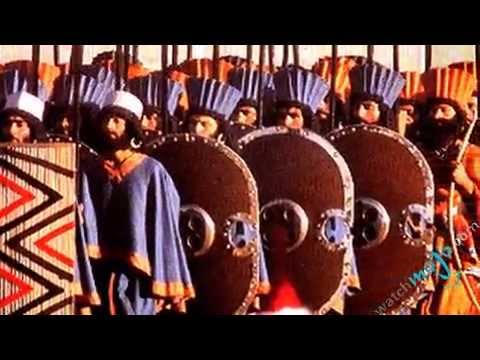
the term Persian Empire refers to the largest entity and most glorious extent
largest entity and most glorious extent
largest entity and most glorious extent of the Persian state in 550 BC Cyrus the
of the Persian state in 550 BC Cyrus the
of the Persian state in 550 BC Cyrus the Great led the successful movement
Great led the successful movement
Great led the successful movement creating the biggest nation the world
creating the biggest nation the world
creating the biggest nation the world had yet seen conquering the entire
had yet seen conquering the entire
had yet seen conquering the entire Middle East the Achaemenid Empire spread
Middle East the Achaemenid Empire spread
Middle East the Achaemenid Empire spread across more distances reaching North
across more distances reaching North
across more distances reaching North Africa the Balkans and the Black Sea
Africa the Balkans and the Black Sea
Africa the Balkans and the Black Sea regions and into Central and Western
regions and into Central and Western
regions and into Central and Western Asia its main cities were the capital
Asia its main cities were the capital
Asia its main cities were the capital Persepolis and the city of Susa some
Persepolis and the city of Susa some
Persepolis and the city of Susa some accomplishments from this era include
accomplishments from this era include
accomplishments from this era include money the establishment of a postal
money the establishment of a postal
money the establishment of a postal service and the first charter of human
service and the first charter of human
service and the first charter of human rights the Empire’s greatest enemies
rights the Empire’s greatest enemies
rights the Empire’s greatest enemies were classical Greek States in fact
were classical Greek States in fact
were classical Greek States in fact Alexander the Great defeated the
Alexander the Great defeated the
Alexander the Great defeated the so-called Persian Empire in 330 BC when
so-called Persian Empire in 330 BC when
so-called Persian Empire in 330 BC when his army torched Persepolis avenging
his army torched Persepolis avenging
his army torched Persepolis avenging ancient Persians destruction of Athens
ancient Persians destruction of Athens
ancient Persians destruction of Athens the ruins of Persepolis became important
the ruins of Persepolis became important
the ruins of Persepolis became important remnants today the oldest known
remnants today the oldest known
remnants today the oldest known civilization comprises the country we
civilization comprises the country we
civilization comprises the country we know as Iran having first inhabited the
know as Iran having first inhabited the
know as Iran having first inhabited the borders of modern-day Iran since
borders of modern-day Iran since
borders of modern-day Iran since Neolithic times it was named Iran in the
Neolithic times it was named Iran in the
Neolithic times it was named Iran in the early 20th century very few literary
early 20th century very few literary
early 20th century very few literary works remain from ancient Persia but
works remain from ancient Persia but
works remain from ancient Persia but famous poets like Rumi made valuable
famous poets like Rumi made valuable
famous poets like Rumi made valuable contributions to Persian literature in
contributions to Persian literature in
contributions to Persian literature in the centuries that followed
”
Be First to Comment