
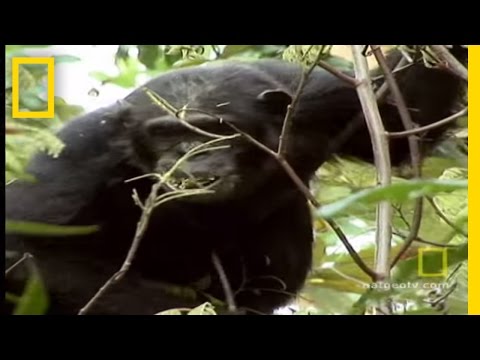
this is wild hanukkah’s chimps are our closest
hanukkah’s chimps are our closest
hanukkah’s chimps are our closest relatives in the animal kingdom there is
relatives in the animal kingdom there is
relatives in the animal kingdom there is less than 2% difference in our DNA
unfortunately our genetic similarities
unfortunately our genetic similarities mean that certain illnesses can also
mean that certain illnesses can also
mean that certain illnesses can also pass easily between us and our forest
pass easily between us and our forest
pass easily between us and our forest cousins and that can spell trouble for
cousins and that can spell trouble for
cousins and that can spell trouble for chimpanzees
chimpanzees
chimpanzees muhuali is a tourist destination in
muhuali is a tourist destination in
muhuali is a tourist destination in Tanzania the park is home to an
Tanzania the park is home to an
Tanzania the park is home to an estimated 700 chimps normally when
estimated 700 chimps normally when
estimated 700 chimps normally when people come crashing through the trees
people come crashing through the trees
people come crashing through the trees chimps scatter but here in Mohali a
chimps scatter but here in Mohali a
chimps scatter but here in Mohali a group of about 60 individuals has been
group of about 60 individuals has been
group of about 60 individuals has been habituated to humans they’re comfortable
habituated to humans they’re comfortable
habituated to humans they’re comfortable around people here’s the dilemma tourism
around people here’s the dilemma tourism
around people here’s the dilemma tourism is important from a Holly Mountain
is important from a Holly Mountain
is important from a Holly Mountain National Park brings in revenue and it
National Park brings in revenue and it
National Park brings in revenue and it brings worldwide attention to the
brings worldwide attention to the
brings worldwide attention to the chimpanzees but in addition to the
chimpanzees but in addition to the
chimpanzees but in addition to the dollars the tourists may also be
dollars the tourists may also be
dollars the tourists may also be bringing diseases there has been growing
bringing diseases there has been growing
bringing diseases there has been growing concern among the researchers in Mohali
concern among the researchers in Mohali
concern among the researchers in Mohali over a respiratory infection that seems
over a respiratory infection that seems
over a respiratory infection that seems to be spreading among the chimps is that
to be spreading among the chimps is that
to be spreading among the chimps is that nasal discharge something out of here so
nasal discharge something out of here so
nasal discharge something out of here so they get they get depressed and they
they get they get depressed and they
they get they get depressed and they don’t want to do much better when they
don’t want to do much better when they
don’t want to do much better when they eat a whole lot he’s probably got a
eat a whole lot he’s probably got a
eat a whole lot he’s probably got a fever and then today we’ll probably see
fever and then today we’ll probably see
fever and then today we’ll probably see that they won’t move very far in the
that they won’t move very far in the
that they won’t move very far in the early 90s a flu-like illness killed off
early 90s a flu-like illness killed off
early 90s a flu-like illness killed off at least 11 of majalis chimps
at least 11 of majalis chimps
at least 11 of majalis chimps researchers suspected the animals caught
researchers suspected the animals caught
researchers suspected the animals caught it from humans but they weren’t able to
it from humans but they weren’t able to
it from humans but they weren’t able to prove it another outbreak like that
prove it another outbreak like that
prove it another outbreak like that could devastate majalis chimp population
could devastate majalis chimp population
could devastate majalis chimp population and it’s ecotourism program so the
and it’s ecotourism program so the
and it’s ecotourism program so the researchers are taking this very
researchers are taking this very
researchers are taking this very seriously although he’s a relatively
seriously although he’s a relatively
seriously although he’s a relatively young chimp this male whom the
young chimp this male whom the
young chimp this male whom the researchers call Cesar is old enough
researchers call Cesar is old enough
researchers call Cesar is old enough that he should be able to survive the
that he should be able to survive the
that he should be able to survive the illness the main concern is for two
illness the main concern is for two
illness the main concern is for two infants who just recently started
infants who just recently started
infants who just recently started coughing
coughing
coughing Swinson and I go off to find a female
Swinson and I go off to find a female
Swinson and I go off to find a female nicknamed Cynthia and her two-month-old
nicknamed Cynthia and her two-month-old
nicknamed Cynthia and her two-month-old baby the trackers give us bad news the
baby the trackers give us bad news the
baby the trackers give us bad news the baby was still alive yesterday this
baby was still alive yesterday this
baby was still alive yesterday this morning it’s it’s not it’s it’s gone
morning it’s it’s not it’s it’s gone
morning it’s it’s not it’s it’s gone she’s carrying the the carcass around
she’s carrying the the carcass around
she’s carrying the the carcass around now which will continue to do or quite a
now which will continue to do or quite a
now which will continue to do or quite a long time usually maybe a week or two
long time usually maybe a week or two
long time usually maybe a week or two even the researchers speculate that the
even the researchers speculate that the
even the researchers speculate that the cause of death was an infectious disease
cause of death was an infectious disease
cause of death was an infectious disease contracted from humans but they won’t
contracted from humans but they won’t
contracted from humans but they won’t know for sure until Swinson scat samples
know for sure until Swinson scat samples
know for sure until Swinson scat samples are analyzed he’s already sent back more
are analyzed he’s already sent back more
are analyzed he’s already sent back more than a hundred to the lab where they
than a hundred to the lab where they
than a hundred to the lab where they will be screened for viruses bacteria
will be screened for viruses bacteria
will be screened for viruses bacteria stress-related hormones and more
stress-related hormones and more
stress-related hormones and more hopefully they’ll reveal where the
hopefully they’ll reveal where the
hopefully they’ll reveal where the illness came from and how its spread
illness came from and how its spread
illness came from and how its spread among the chimps that information could
among the chimps that information could
among the chimps that information could help determine whether Taurus should be
help determine whether Taurus should be
help determine whether Taurus should be kept further away from the chimps and
kept further away from the chimps and
kept further away from the chimps and how long they should be allowed to
how long they should be allowed to
how long they should be allowed to observe them on each visitor
check for wild condoms on your local PBS
check for wild condoms on your local PBS station
station
station sponsored by National Geographic mission
sponsored by National Geographic mission
sponsored by National Geographic mission programs taking science and exploration
programs taking science and exploration
programs taking science and exploration into the new millennium
”
Be First to Comment