
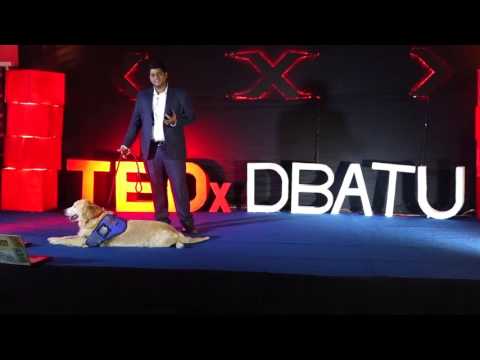
when you see this what is the first thing which comes to your mind
thing which comes to your mind
thing which comes to your mind love and affection you can see human
love and affection you can see human
love and affection you can see human animal interaction because there is a
animal interaction because there is a
animal interaction because there is a human and there is an animal interacting
human and there is an animal interacting
human and there is an animal interacting you can see because of an animal that is
you can see because of an animal that is
you can see because of an animal that is smile and happiness on a human space and
smile and happiness on a human space and
smile and happiness on a human space and because of the human animal interaction
because of the human animal interaction
because of the human animal interaction even the animals are happy can never see
even the animals are happy can never see
even the animals are happy can never see that the animal is stressed in each and
that the animal is stressed in each and
that the animal is stressed in each and every picture you can see that the
every picture you can see that the
every picture you can see that the animal is happy so to trace about the
animal is happy so to trace about the
animal is happy so to trace about the human animal interaction field in India
human animal interaction field in India
human animal interaction field in India if we go to see even in our
if we go to see even in our
if we go to see even in our methodological things the human animal
methodological things the human animal
methodological things the human animal interaction has been there so if you see
interaction has been there so if you see
interaction has been there so if you see the doctor it is being surrounded by a
the doctor it is being surrounded by a
the doctor it is being surrounded by a cow and a dog or decades ago if if you
cow and a dog or decades ago if if you
cow and a dog or decades ago if if you could see people used to have farms
could see people used to have farms
could see people used to have farms people used to have cows people used to
people used to have cows people used to
people used to have cows people used to have dogs sheeps so animals were an
have dogs sheeps so animals were an
have dogs sheeps so animals were an integral part of our human society and
integral part of our human society and
integral part of our human society and humans always were dependent on animals
humans always were dependent on animals
humans always were dependent on animals in their day to day lives but nowadays
in their day to day lives but nowadays
in their day to day lives but nowadays there are nuclear families people stay
there are nuclear families people stay
there are nuclear families people stay in flats so people don’t have that kind
in flats so people don’t have that kind
in flats so people don’t have that kind of animals with them but nowadays people
of animals with them but nowadays people
of animals with them but nowadays people term it as pets or domesticated animals
term it as pets or domesticated animals
term it as pets or domesticated animals so people have dogs people have cats but
so people have dogs people have cats but
so people have dogs people have cats but because of this lifestyle change there
because of this lifestyle change there
because of this lifestyle change there there are lifestyle diseases as well
there are lifestyle diseases as well
there are lifestyle diseases as well like stress hyperactivity see loneliness
like stress hyperactivity see loneliness
like stress hyperactivity see loneliness depression and anxiety and to tackle
depression and anxiety and to tackle
depression and anxiety and to tackle these we are now looking for different
these we are now looking for different
these we are now looking for different options to help us reduce the stress and
options to help us reduce the stress and
options to help us reduce the stress and make ourselves happy we are animal
make ourselves happy we are animal
make ourselves happy we are animal angels basically are working towards
angels basically are working towards
angels basically are working towards helping people through interaction with
helping people through interaction with
helping people through interaction with animals we are making the human will be
animals we are making the human will be
animals we are making the human will be a much better way so humans need
a much better way so humans need
a much better way so humans need unconditional love and acceptance and
unconditional love and acceptance and
unconditional love and acceptance and who better than animals to give us that
who better than animals to give us that
who better than animals to give us that love and that that affection so a hug
love and that that affection so a hug
love and that that affection so a hug from a therapy dog can give them all the
from a therapy dog can give them all the
from a therapy dog can give them all the unconditional love they need and at this
unconditional love they need and at this
unconditional love they need and at this point I would like to introduce a tepee
point I would like to introduce a tepee
point I would like to introduce a tepee dog Pepe over here so that everyone
dog Pepe over here so that everyone
dog Pepe over here so that everyone present over here can be happy and pay
present over here can be happy and pay
present over here can be happy and pay [Applause]
[Applause]
[Applause] so who would like to come and give her a
so who would like to come and give her a
so who would like to come and give her a hug
so this is how interaction with animals
so this is how interaction with animals is you feel happy everyone is smiling in
is you feel happy everyone is smiling in
is you feel happy everyone is smiling in the room so that’s how important animals
the room so that’s how important animals
the room so that’s how important animals are yes
so Pepe uh I would like to introduce
so Pepe uh I would like to introduce Pepe Pepe is a therapy dog thank you
Pepe Pepe is a therapy dog thank you
Pepe Pepe is a therapy dog thank you so Pepe is a therapy dog she’s five year
so Pepe is a therapy dog she’s five year
so Pepe is a therapy dog she’s five year old a golden retriever and she’s been
old a golden retriever and she’s been
old a golden retriever and she’s been working with animal angels for the past
working with animal angels for the past
working with animal angels for the past four and a half years she was trained as
four and a half years she was trained as
four and a half years she was trained as a therapy dog and she has worked in
a therapy dog and she has worked in
a therapy dog and she has worked in different settings he started working
different settings he started working
different settings he started working with children with developmental
with children with developmental
with children with developmental disabilities yes ha ha she’s saying
disabilities yes ha ha she’s saying
disabilities yes ha ha she’s saying that’s it that’s that’s our peppe’s to
that’s it that’s that’s our peppe’s to
that’s it that’s that’s our peppe’s to give you a brief about animal assisted
give you a brief about animal assisted
give you a brief about animal assisted therapy and the field which is a part of
therapy and the field which is a part of
therapy and the field which is a part of human animal interaction so animal
human animal interaction so animal
human animal interaction so animal assisted therapy started in 1961 in us
assisted therapy started in 1961 in us
assisted therapy started in 1961 in us there was a child psychiatrist called as
there was a child psychiatrist called as
there was a child psychiatrist called as boris Levinson who started animal
boris Levinson who started animal
boris Levinson who started animal assisted therapy and while he was a
assisted therapy and while he was a
assisted therapy and while he was a working with his cases he used to take
working with his cases he used to take
working with his cases he used to take his therapy dogs jingle he observed that
his therapy dogs jingle he observed that
his therapy dogs jingle he observed that when there is a therapy dog in the room
when there is a therapy dog in the room
when there is a therapy dog in the room the children were more open to share
the children were more open to share
the children were more open to share about their feelings and they were more
about their feelings and they were more
about their feelings and they were more open to speak up in presence of a
open to speak up in presence of a
open to speak up in presence of a therapy dog and that’s where animal
therapy dog and that’s where animal
therapy dog and that’s where animal assisted therapy or pet therapy came
assisted therapy or pet therapy came
assisted therapy or pet therapy came into being and in India it took us
into being and in India it took us
into being and in India it took us almost 50 years after that in 2003 a
almost 50 years after that in 2003 a
almost 50 years after that in 2003 a mineral cow is over who is the founder
mineral cow is over who is the founder
mineral cow is over who is the founder of animal England’s foundation she was
of animal England’s foundation she was
of animal England’s foundation she was doing her master’s in clinical
doing her master’s in clinical
doing her master’s in clinical psychology and during that time she got
psychology and during that time she got
psychology and during that time she got a chance to train a dog for a school and
a chance to train a dog for a school and
a chance to train a dog for a school and that school was a school for children
that school was a school for children
that school was a school for children with special needs and then she was also
with special needs and then she was also
with special needs and then she was also learning cannae behavior at that time
learning cannae behavior at that time
learning cannae behavior at that time and she thought that if the dog can be
and she thought that if the dog can be
and she thought that if the dog can be trained for the children and not just as
trained for the children and not just as
trained for the children and not just as a guard dog for the school it could be
a guard dog for the school it could be
a guard dog for the school it could be beneficial for these children in a much
beneficial for these children in a much
beneficial for these children in a much better way so then she started
better way so then she started
better way so then she started researching and she found out that there
researching and she found out that there
researching and she found out that there is no documented research done in India
is no documented research done in India
is no documented research done in India and that’s where animal angels came into
and that’s where animal angels came into
and that’s where animal angels came into existence we did a first research
existence we did a first research
existence we did a first research program at the
program at the
program at the we’re on the edge in the school in
we’re on the edge in the school in
we’re on the edge in the school in Anthony and for over the first three
Anthony and for over the first three
Anthony and for over the first three years we did a pilot program we
years we did a pilot program we
years we did a pilot program we documented each and every part of it and
documented each and every part of it and
documented each and every part of it and from there animal angels came into
from there animal angels came into
from there animal angels came into existence the findings which we got at
existence the findings which we got at
existence the findings which we got at at that point were so amazing that there
at that point were so amazing that there
at that point were so amazing that there were children with hearing and speech
were children with hearing and speech
were children with hearing and speech impairment and they couldn’t speak for
impairment and they couldn’t speak for
impairment and they couldn’t speak for further entire life like up to 10 to 12
further entire life like up to 10 to 12
further entire life like up to 10 to 12 years but through the motivation the
years but through the motivation the
years but through the motivation the therapy dog gave the therapy dogs our
therapy dog gave the therapy dogs our
therapy dog gave the therapy dogs our first therapy dogs name was could be she
first therapy dogs name was could be she
first therapy dogs name was could be she passed away last year but her memories
passed away last year but her memories
passed away last year but her memories will always be with us the hearing and
will always be with us the hearing and
will always be with us the hearing and speech impaired children tried or
speech impaired children tried or
speech impaired children tried or uttered the first word as as the therapy
uttered the first word as as the therapy
uttered the first word as as the therapy dogs named cootie so that was a level of
dogs named cootie so that was a level of
dogs named cootie so that was a level of motivation these children got while they
motivation these children got while they
motivation these children got while they interacted with the therapy dog and the
interacted with the therapy dog and the
interacted with the therapy dog and the funniest thing was the therapy dog
funniest thing was the therapy dog
funniest thing was the therapy dog belong to the principal of the school so
belong to the principal of the school so
belong to the principal of the school so every day the dog used to come with the
every day the dog used to come with the
every day the dog used to come with the principal to a school interact with the
principal to a school interact with the
principal to a school interact with the children and go back again the principal
children and go back again the principal
children and go back again the principal we got registered as an NGO and our
we got registered as an NGO and our
we got registered as an NGO and our vision is basically to create awareness
vision is basically to create awareness
vision is basically to create awareness about this new field in India and to
about this new field in India and to
about this new field in India and to reach out to as many people as we can
reach out to as many people as we can
reach out to as many people as we can and spread the healing benefits of
and spread the healing benefits of
and spread the healing benefits of animals on humans so what we do under
animals on humans so what we do under
animals on humans so what we do under the animal angels we we basically work
the animal angels we we basically work
the animal angels we we basically work in the field of animal assisted therapy
in the field of animal assisted therapy
in the field of animal assisted therapy so to give you a brief about what animal
so to give you a brief about what animal
so to give you a brief about what animal assisted therapy actually is animal
assisted therapy actually is animal
assisted therapy actually is animal assisted therapy is different
assisted therapy is different
assisted therapy is different alternative mode of therapy we’re
alternative mode of therapy we’re
alternative mode of therapy we’re trained therapy animal it can be a
trained therapy animal it can be a
trained therapy animal it can be a therapy dog there can be different
therapy dog there can be different
therapy dog there can be different animals as well like rabbits cats birds
animals as well like rabbits cats birds
animals as well like rabbits cats birds guinea pigs but dogs being more
guinea pigs but dogs being more
guinea pigs but dogs being more interactive we usually prefer dogs and
interactive we usually prefer dogs and
interactive we usually prefer dogs and in presence of a trained therapy animal
in presence of a trained therapy animal
in presence of a trained therapy animal the the entire therapy session is
the the entire therapy session is
the the entire therapy session is conducted just a small example for that
conducted just a small example for that
conducted just a small example for that say there is a child with physical
say there is a child with physical
say there is a child with physical disability and who is not able to walk
disability and who is not able to walk
disability and who is not able to walk and he he has physiotherapy activity
and he he has physiotherapy activity
and he he has physiotherapy activity like walk this room for five times but
like walk this room for five times but
like walk this room for five times but there is no motivation for the child to
there is no motivation for the child to
there is no motivation for the child to walk or make that extra effort to get
walk or make that extra effort to get
walk or make that extra effort to get that he’ll happily sit in his wheelchair
that he’ll happily sit in his wheelchair
that he’ll happily sit in his wheelchair but when we asked him to walk the dog he
but when we asked him to walk the dog he
but when we asked him to walk the dog he is extremely motivated to hold the leash
is extremely motivated to hold the leash
is extremely motivated to hold the leash he himself strives to bend down pick the
he himself strives to bend down pick the
he himself strives to bend down pick the leash and walk the dog for not five
leash and walk the dog for not five
leash and walk the dog for not five times but more than five times so that
times but more than five times so that
times but more than five times so that is the level of motivation or the
is the level of motivation or the
is the level of motivation or the bonding which these therapy animals give
bonding which these therapy animals give
bonding which these therapy animals give with
with
with help these children to attain something
help these children to attain something
help these children to attain something which they rather normal therapies could
which they rather normal therapies could
which they rather normal therapies could not do we also conduct animal assisted
not do we also conduct animal assisted
not do we also conduct animal assisted activities where you not only work with
activities where you not only work with
activities where you not only work with children with special needs or with a
children with special needs or with a
children with special needs or with a certain population we conduct different
certain population we conduct different
certain population we conduct different programs so when we started in 2003 the
programs so when we started in 2003 the
programs so when we started in 2003 the the challenges were like we used to go
the challenges were like we used to go
the challenges were like we used to go and tell people that this is something
and tell people that this is something
and tell people that this is something new we are working in this field and
new we are working in this field and
new we are working in this field and through our documented research we used
through our documented research we used
through our documented research we used to put two different Institute’s so we
to put two different Institute’s so we
to put two different Institute’s so we started doing breeding programs for
started doing breeding programs for
started doing breeding programs for normal children one thing which we
normal children one thing which we
normal children one thing which we observed that animals are unconditional
observed that animals are unconditional
observed that animals are unconditional they don’t judge humans on how we are or
they don’t judge humans on how we are or
they don’t judge humans on how we are or how we look or how we behave dog is
how we look or how we behave dog is
how we look or how we behave dog is equally going to be happy when he is
equally going to be happy when he is
equally going to be happy when he is interacting with me or when he is
interacting with me or when he is
interacting with me or when he is interacting with someone else we started
interacting with someone else we started
interacting with someone else we started doing reading programs for smaller
doing reading programs for smaller
doing reading programs for smaller children basically who have just started
children basically who have just started
children basically who have just started learning or just started reading what we
learning or just started reading what we
learning or just started reading what we found out was that the children were
found out was that the children were
found out was that the children were more happy to read out to a dog rather
more happy to read out to a dog rather
more happy to read out to a dog rather than in the classroom setting because
than in the classroom setting because
than in the classroom setting because the dot dog is not going to judge if if
the dot dog is not going to judge if if
the dot dog is not going to judge if if the child is going to make a mistake the
the child is going to make a mistake the
the child is going to make a mistake the dog is going to look in the book when we
dog is going to look in the book when we
dog is going to look in the book when we say point so the dog is trained in that
say point so the dog is trained in that
say point so the dog is trained in that way and it becomes a fun interactive way
way and it becomes a fun interactive way
way and it becomes a fun interactive way to encourage children to read out we
to encourage children to read out we
to encourage children to read out we also did introduction to animals program
also did introduction to animals program
also did introduction to animals program where we should take different animals
where we should take different animals
where we should take different animals in nurseries because lot of things
in nurseries because lot of things
in nurseries because lot of things parents do not allow children to
parents do not allow children to
parents do not allow children to interact with the dog or interact with
interact with the dog or interact with
interact with the dog or interact with any other animal but we used to promote
any other animal but we used to promote
any other animal but we used to promote in human animal interaction and
in human animal interaction and
in human animal interaction and interaction with different animals then
interaction with different animals then
interaction with different animals then animal assisted education is another
animal assisted education is another
animal assisted education is another field so we also work in normal schools
field so we also work in normal schools
field so we also work in normal schools with children with learning disabilities
with children with learning disabilities
with children with learning disabilities like I mentioned the reading program so
like I mentioned the reading program so
like I mentioned the reading program so in the education setting it is basically
in the education setting it is basically
in the education setting it is basically the entire syllabus we select children
the entire syllabus we select children
the entire syllabus we select children were basically slow in education and
were basically slow in education and
were basically slow in education and then we work with them in a similar
then we work with them in a similar
then we work with them in a similar manner and research being one of the
manner and research being one of the
manner and research being one of the most important thing because we are the
most important thing because we are the
most important thing because we are the pioneers in India doing this kind of
pioneers in India doing this kind of
pioneers in India doing this kind of work and unless we do a documented
work and unless we do a documented
work and unless we do a documented research or unless we document each and
research or unless we document each and
research or unless we document each and every fact we are not going to grow this
every fact we are not going to grow this
every fact we are not going to grow this field in India so research is one of the
field in India so research is one of the
field in India so research is one of the most important thing which we conduct as
most important thing which we conduct as
most important thing which we conduct as we are the pioneers we trained
we are the pioneers we trained
we are the pioneers we trained professionals from medical and mental
professionals from medical and mental
professionals from medical and mental health background in the field of animal
health background in the field of animal
health background in the field of animal there be people who have done their
there be people who have done their
there be people who have done their masters in psychology or physiotherapy
masters in psychology or physiotherapy
masters in psychology or physiotherapy we train them into animal assisted
we train them into animal assisted
we train them into animal assisted therapy so that they can then extend
therapy so that they can then extend
therapy so that they can then extend this kind of work to different settings
this kind of work to different settings
this kind of work to different settings and they can spread our work this is one
and they can spread our work this is one
and they can spread our work this is one of a beautiful case studies this child
of a beautiful case studies this child
of a beautiful case studies this child is a child with Down syndrome his name
is a child with Down syndrome his name
is a child with Down syndrome his name is Mulder and this is therapy dog genie
is Mulder and this is therapy dog genie
is Mulder and this is therapy dog genie genie is a pug and she is now six or
genie is a pug and she is now six or
genie is a pug and she is now six or seven years old he was not able to walk
seven years old he was not able to walk
seven years old he was not able to walk for the initial three to four years his
for the initial three to four years his
for the initial three to four years his mother and his parents were doing
mother and his parents were doing
mother and his parents were doing different therapies like physiotherapy
different therapies like physiotherapy
different therapies like physiotherapy and different other modes of therapy so
and different other modes of therapy so
and different other modes of therapy so that he could at least stand on his own
that he could at least stand on his own
that he could at least stand on his own and walk during the same time therapy
and walk during the same time therapy
and walk during the same time therapy dog genie was being trained and
dog genie was being trained and
dog genie was being trained and fortunately the dog was staying in the
fortunately the dog was staying in the
fortunately the dog was staying in the same building we came to know about
same building we came to know about
same building we came to know about Millar and then we started eighty
Millar and then we started eighty
Millar and then we started eighty sessions for Millar the point they too
sessions for Millar the point they too
sessions for Millar the point they too gelled so beautifully and it was so well
gelled so beautifully and it was so well
gelled so beautifully and it was so well that Muller wanted to do so many things
that Muller wanted to do so many things
that Muller wanted to do so many things for Gd so then we found out that Millar
for Gd so then we found out that Millar
for Gd so then we found out that Millar was motivated to a certain extent that
was motivated to a certain extent that
was motivated to a certain extent that he could use to keep genie on a chair
he could use to keep genie on a chair
he could use to keep genie on a chair and then Millar you should try to stand
and then Millar you should try to stand
and then Millar you should try to stand up on his own to just to reach out to
up on his own to just to reach out to
up on his own to just to reach out to genie and better and slowly slowly after
genie and better and slowly slowly after
genie and better and slowly slowly after six months we found out that Millar was
six months we found out that Millar was
six months we found out that Millar was running down with chilli and he should
running down with chilli and he should
running down with chilli and he should take her for walks every day and now
take her for walks every day and now
take her for walks every day and now after three to four years Muller has his
after three to four years Muller has his
after three to four years Muller has his own dog now he has got a beagle whose
own dog now he has got a beagle whose
own dog now he has got a beagle whose name is toffee and now Millar plays with
name is toffee and now Millar plays with
name is toffee and now Millar plays with the dog Mijares started walking he
the dog Mijares started walking he
the dog Mijares started walking he started going to school so this is the
started going to school so this is the
started going to school so this is the changer and the level of motivation
changer and the level of motivation
changer and the level of motivation which basically requires which animals
which basically requires which animals
which basically requires which animals are basically able to provide these are
are basically able to provide these are
are basically able to provide these are the areas of implementation where animal
the areas of implementation where animal
the areas of implementation where animal angels has started so we started working
angels has started so we started working
angels has started so we started working with children with special needs we
with children with special needs we
with children with special needs we started visiting different schools
started visiting different schools
started visiting different schools different special schools in the initial
different special schools in the initial
different special schools in the initial years it was be approaching schools to
years it was be approaching schools to
years it was be approaching schools to tell them what animal assisted therapy
tell them what animal assisted therapy
tell them what animal assisted therapy is and how how we conduct therapy now
is and how how we conduct therapy now
is and how how we conduct therapy now the situation has changed after 16 years
the situation has changed after 16 years
the situation has changed after 16 years now people come to us saying that we
now people come to us saying that we
now people come to us saying that we want to start animal assisted therapy
want to start animal assisted therapy
want to start animal assisted therapy our Center so this is a big attitudinal
our Center so this is a big attitudinal
our Center so this is a big attitudinal change which we could see in people so
change which we could see in people so
change which we could see in people so the challenges when we started with dogs
the challenges when we started with dogs
the challenges when we started with dogs are not hygienic we cannot have a dog in
are not hygienic we cannot have a dog in
are not hygienic we cannot have a dog in a school the dog can bark the dog can
a school the dog can bark the dog can
a school the dog can bark the dog can bite so there were so many different
bite so there were so many different
bite so there were so many different appliances each and every initiative had
appliances each and every initiative had
appliances each and every initiative had when we
when we
when we but drafting different roles and
but drafting different roles and
but drafting different roles and responsibilities drafting the standards
responsibilities drafting the standards
responsibilities drafting the standards of practices so there were so many
of practices so there were so many
of practices so there were so many challenges when you started animal
challenges when you started animal
challenges when you started animal assisted therapy in India though the
assisted therapy in India though the
assisted therapy in India though the spiel was there for 50 years in u.s. the
spiel was there for 50 years in u.s. the
spiel was there for 50 years in u.s. the method of application in u.s. is
method of application in u.s. is
method of application in u.s. is completely different than the method of
completely different than the method of
completely different than the method of application in India so we started
application in India so we started
application in India so we started training more dogs we started training
training more dogs we started training
training more dogs we started training more professionals and into this field
more professionals and into this field
more professionals and into this field and slowly slowly we started
and slowly slowly we started
and slowly slowly we started implementing 18 different settings so we
implementing 18 different settings so we
implementing 18 different settings so we started with children with special needs
started with children with special needs
started with children with special needs then we did the library programs where
then we did the library programs where
then we did the library programs where we encourage children to read out to a
we encourage children to read out to a
we encourage children to read out to a dog and our program was called as tales
dog and our program was called as tales
dog and our program was called as tales of joy then we introduced the animal
of joy then we introduced the animal
of joy then we introduced the animal assisted therapy in hospitals for cancer
assisted therapy in hospitals for cancer
assisted therapy in hospitals for cancer patients so we worked with supply Cancer
patients so we worked with supply Cancer
patients so we worked with supply Cancer Centre we worked with Ruby Hall Cancer
Centre we worked with Ruby Hall Cancer
Centre we worked with Ruby Hall Cancer Centre in Pune where our therapy animals
Centre in Pune where our therapy animals
Centre in Pune where our therapy animals were there to help the patients deal
were there to help the patients deal
were there to help the patients deal with post-operative stress because a lot
with post-operative stress because a lot
with post-operative stress because a lot of times there is there’s a lot of
of times there is there’s a lot of
of times there is there’s a lot of stress when when people are going
stress when when people are going
stress when when people are going through terminal illness and animals
through terminal illness and animals
through terminal illness and animals acted as a medium to help these these
acted as a medium to help these these
acted as a medium to help these these patients recover that terminal illness
patients recover that terminal illness
patients recover that terminal illness and what we everytime tell is that we
and what we everytime tell is that we
and what we everytime tell is that we cannot take the disability away or we
cannot take the disability away or we
cannot take the disability away or we cannot take the illness away but we can
cannot take the illness away but we can
cannot take the illness away but we can at least help in improving the quality
at least help in improving the quality
at least help in improving the quality of life through interaction with animals
of life through interaction with animals
of life through interaction with animals so we did the program with hospitals we
so we did the program with hospitals we
so we did the program with hospitals we started working with old-age homes
started working with old-age homes
started working with old-age homes because even at old-age homes there is
because even at old-age homes there is
because even at old-age homes there is problems like depression loneliness
problems like depression loneliness
problems like depression loneliness anxiety so therapy dogs were there to
anxiety so therapy dogs were there to
anxiety so therapy dogs were there to fill that gap we did a couple of
fill that gap we did a couple of
fill that gap we did a couple of programs for post-roman stress where we
programs for post-roman stress where we
programs for post-roman stress where we worked with a Mumbai railway police
worked with a Mumbai railway police
worked with a Mumbai railway police after the seven-eleven trail blast we
after the seven-eleven trail blast we
after the seven-eleven trail blast we worked with the Mumbai Police for after
worked with the Mumbai Police for after
worked with the Mumbai Police for after the 26/11 blasts so there were policemen
the 26/11 blasts so there were policemen
the 26/11 blasts so there were policemen who were coming and hugging the dog and
who were coming and hugging the dog and
who were coming and hugging the dog and sharing their experiences about how they
sharing their experiences about how they
sharing their experiences about how they lost their friend and who was working
lost their friend and who was working
lost their friend and who was working with them so dogs held even we see that
with them so dogs held even we see that
with them so dogs held even we see that policemen who were so strong and so
policemen who were so strong and so
policemen who were so strong and so unbreakable worth coming down and
unbreakable worth coming down and
unbreakable worth coming down and hugging the dog and sharing their
hugging the dog and sharing their
hugging the dog and sharing their experiences when when they were they
experiences when when they were they
experiences when when they were they were with the dog and now after so many
were with the dog and now after so many
were with the dog and now after so many years this is our recent program so
years this is our recent program so
years this is our recent program so these therapy dogs are now working at
these therapy dogs are now working at
these therapy dogs are now working at the Mumbai International Airport
the Mumbai International Airport
the Mumbai International Airport so we have also started introducing dogs
so we have also started introducing dogs
so we have also started introducing dogs in in corporate settings and these dogs
in in corporate settings and these dogs
in in corporate settings and these dogs are working there as therapy dogs as
are working there as therapy dogs as
are working there as therapy dogs as comfort dogs and Pepe Goldie and
comfort dogs and Pepe Goldie and
comfort dogs and Pepe Goldie and sunshine other three dogs were visiting
sunshine other three dogs were visiting
sunshine other three dogs were visiting Mumbai Airport for the last one year and
Mumbai Airport for the last one year and
Mumbai Airport for the last one year and they’re helping the passengers reduce a
they’re helping the passengers reduce a
they’re helping the passengers reduce a travel stress and travel anxiety so
travel stress and travel anxiety so
travel stress and travel anxiety so people who are flying who have long long
people who are flying who have long long
people who are flying who have long long flights or delayed flights people
flights or delayed flights people
flights or delayed flights people usually come and spend time with with
usually come and spend time with with
usually come and spend time with with them at the airport and to leave you
them at the airport and to leave you
them at the airport and to leave you with with just at all animals for human
with with just at all animals for human
with with just at all animals for human wellness so what we can learn from
wellness so what we can learn from
wellness so what we can learn from animals what I have learned from Pepe or
animals what I have learned from Pepe or
animals what I have learned from Pepe or what I’ve learned from our dogs is lemon
what I’ve learned from our dogs is lemon
what I’ve learned from our dogs is lemon present loved unconditionally
present loved unconditionally
present loved unconditionally be yourself be loyal you should trust we
be yourself be loyal you should trust we
be yourself be loyal you should trust we should not hold grudges play is always
should not hold grudges play is always
should not hold grudges play is always good we have to take time and play and
good we have to take time and play and
good we have to take time and play and have an happy attitude and that’s what
have an happy attitude and that’s what
have an happy attitude and that’s what animals teaches us as humans thank you
animals teaches us as humans thank you
animals teaches us as humans thank you [Applause]
”
Be First to Comment