
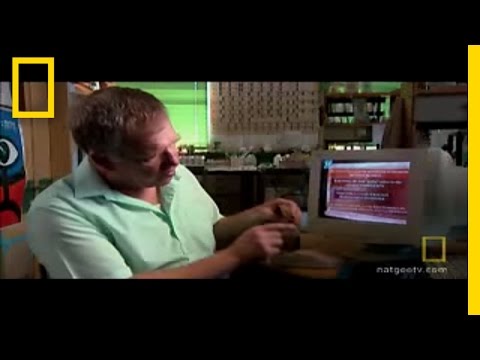
first they looked at the patina a thin surface layer that forms overtime on the
surface layer that forms overtime on the
surface layer that forms overtime on the outside of a rock or stone
outside of a rock or stone
outside of a rock or stone as we see in this sample we have a very
as we see in this sample we have a very
as we see in this sample we have a very thin well layer that about one
thin well layer that about one
thin well layer that about one millimeter thick discovers the sample
millimeter thick discovers the sample
millimeter thick discovers the sample the formation of a patina is caused by
the formation of a patina is caused by
the formation of a patina is caused by the interaction of chemicals in air
the interaction of chemicals in air
the interaction of chemicals in air water or soil with minerals in the stone
water or soil with minerals in the stone
water or soil with minerals in the stone itself in this one we see very easy
itself in this one we see very easy
itself in this one we see very easy Brown and we can see that it may be
Brown and we can see that it may be
Brown and we can see that it may be thicker or thinner but it covers all
thicker or thinner but it covers all
thicker or thinner but it covers all around and goes all around the sample
a patina developed slowly and may take
a patina developed slowly and may take thousands of years to form the
thousands of years to form the
thousands of years to form the geologists studying the stone found that
geologists studying the stone found that
geologists studying the stone found that the patina was continuous across the
the patina was continuous across the
the patina was continuous across the front of the stone and crucially within
front of the stone and crucially within
front of the stone and crucially within the inscribed letters
they concluded the inscription must have
they concluded the inscription must have been carved in the distant past
next the geologists analyzed the
next the geologists analyzed the chemical makeup of the patina they were
chemical makeup of the patina they were
chemical makeup of the patina they were looking for calcium carbonate and other
looking for calcium carbonate and other
looking for calcium carbonate and other chemicals which would tell them if it
chemicals which would tell them if it
chemicals which would tell them if it had formed in the Jerusalem area they
had formed in the Jerusalem area they
had formed in the Jerusalem area they found that the trace elements like
found that the trace elements like
found that the trace elements like strontium iron magnesium and other
strontium iron magnesium and other
strontium iron magnesium and other elements that are in the calcium
elements that are in the calcium
elements that are in the calcium carbonate they said exactly the same
carbonate they said exactly the same
carbonate they said exactly the same propulsions as in the patina in a Joe
propulsions as in the patina in a Joe
propulsions as in the patina in a Joe Samaria
Samaria
Samaria the patina tests indicated that the
the patina tests indicated that the
the patina tests indicated that the stone came from Jerusalem and that the
stone came from Jerusalem and that the
stone came from Jerusalem and that the inscription really was very old the big
inscription really was very old the big
inscription really was very old the big question now was how old
although it was impossible to date the
although it was impossible to date the stone itself remarkably within the
stone itself remarkably within the
stone itself remarkably within the patina
patina
patina there were minut particles of charcoal
there were minut particles of charcoal
there were minut particles of charcoal and these could be carbon-dated the
and these could be carbon-dated the
and these could be carbon-dated the results were conclusive
results were conclusive
results were conclusive they were 2,300 years old so the carving
they were 2,300 years old so the carving
they were 2,300 years old so the carving beneath the patina had to be even older
there seemed to be no doubt that the
there seemed to be no doubt that the stone came from the Jerusalem area and
stone came from the Jerusalem area and
stone came from the Jerusalem area and the inscription was thousands of years
the inscription was thousands of years
the inscription was thousands of years old
and there was one last discovery that
and there was one last discovery that reinforced the conclusion that it came
reinforced the conclusion that it came
reinforced the conclusion that it came from the temple of Solomon the patina
from the temple of Solomon the patina
from the temple of Solomon the patina contained tiny flecks of gold just what
contained tiny flecks of gold just what
contained tiny flecks of gold just what one might expect from a stone that had
one might expect from a stone that had
one might expect from a stone that had been through a fire in a temple lined
been through a fire in a temple lined
been through a fire in a temple lined with gold
”
Be First to Comment