
we could build spacecraft build rockets go to this place but when we got there
go to this place but when we got there
go to this place but when we got there nothing could be more descriptive than
nothing could be more descriptive than
nothing could be more descriptive than the word desolation we leave it we gave
the word desolation we leave it we gave
the word desolation we leave it we gave it God willing
Earthrise as we’ve never seen it the
Earthrise as we’ve never seen it the stunning high-definition images are from
stunning high-definition images are from
stunning high-definition images are from one of the most sophisticated spacecraft
one of the most sophisticated spacecraft
one of the most sophisticated spacecraft ever built
ever built
ever built Kaguya circles the moon at around 60
Kaguya circles the moon at around 60
Kaguya circles the moon at around 60 miles above ground beaming that glorious
miles above ground beaming that glorious
miles above ground beaming that glorious pictures of the lunar surface
pictures of the lunar surface
pictures of the lunar surface that satellite has improved our
that satellite has improved our
that satellite has improved our understanding our definition just what
understanding our definition just what
understanding our definition just what the surface of the moon really looks
the surface of the moon really looks
the surface of the moon really looks like and and it ought to stir the
like and and it ought to stir the
like and and it ought to stir the imagination in any human being
the massive three-ton Kaguya allows us
the massive three-ton Kaguya allows us to explore the many phases of the moon
to explore the many phases of the moon
to explore the many phases of the moon like this hallowed ground the Sea of
like this hallowed ground the Sea of
like this hallowed ground the Sea of Tranquility
Kaguya also exposes the elusive dark
Kaguya also exposes the elusive dark side of the moon with its jagged terrain
side of the moon with its jagged terrain
side of the moon with its jagged terrain and sheds new light of the black lava
and sheds new light of the black lava
and sheds new light of the black lava flows of ancient volcanoes landscapes
flows of ancient volcanoes landscapes
flows of ancient volcanoes landscapes that if intrigued scientists since
that if intrigued scientists since
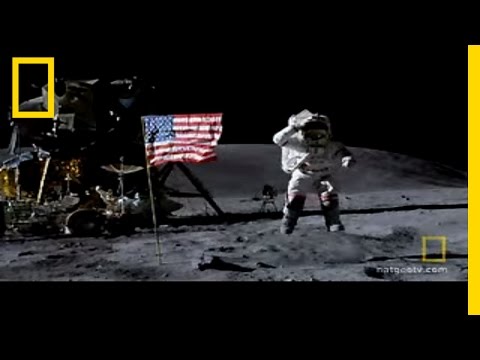
that if intrigued scientists since Apollo 17 left this site in 1972
Apollo 17 left this site in 1972
Apollo 17 left this site in 1972 [Music]
we see an HD clarity where Earth’s last
we see an HD clarity where Earth’s last official tourists roamed the moon until
official tourists roamed the moon until
official tourists roamed the moon until 1973
Russia’s little known Luna Cod Rover
Russia’s little known Luna Cod Rover which continues to inspire the next
which continues to inspire the next
which continues to inspire the next generation of robotic explorers
[Music]
Kaguya is greatest contribution is its
Kaguya is greatest contribution is its ability to provide three-dimensional
ability to provide three-dimensional
ability to provide three-dimensional mapping the images give us an
mapping the images give us an
mapping the images give us an unprecedented view of the moon as if we
unprecedented view of the moon as if we
unprecedented view of the moon as if we are really there
[Music]
[Music] helping scientists plan for our next
helping scientists plan for our next
helping scientists plan for our next visit one that will become permanent
visit one that will become permanent
visit one that will become permanent t-minus 15 seconds guidance is internal
in the case of our habitat work we’re
in the case of our habitat work we’re asked to provide housing a place to live
asked to provide housing a place to live
asked to provide housing a place to live for four crew members initially that
for four crew members initially that
for four crew members initially that would be for 14 days at a time
would be for 14 days at a time
would be for 14 days at a time evolving to where they could stay for as
evolving to where they could stay for as
evolving to where they could stay for as long as 180 days
so our job here is to build machines
so our job here is to build machines that help humans explore space whether
that help humans explore space whether
that help humans explore space whether they’re spacecraft
they’re spacecraft
they’re spacecraft whether they’re Rovers that can take the
whether they’re Rovers that can take the
whether they’re Rovers that can take the crew across the lunar surface
crew across the lunar surface
crew across the lunar surface [Music]
[Music]
[Music] in this century this time in human
in this century this time in human
in this century this time in human history our world is not just the earth
history our world is not just the earth
history our world is not just the earth our world is now expanding for the first
our world is now expanding for the first
our world is now expanding for the first time ever across the solar system
time ever across the solar system
time ever across the solar system and out into the universe and the moon
and out into the universe and the moon
and out into the universe and the moon is that first step
”
Be First to Comment