
incredible from about 12
weeks of gestation it is ready
to not have to feed all the others
organs of our body allows us to see
grow to love being happy and that it does
more than three billion times in a lifetime
on average
usually quietly without giving us
work unfortunately around one in
every ten children in every 100 children
who are born and if little heart he comes with
a malformation people like me in the
true job in giving diagnosis
these malformations and when we
we identified a serious malformation
they are often simple things but
when we identify training
serious we know it will pass through a
it’s too long these homes do not have the
idea does not shock the most
this is the reality of a baby with illness
to cardiologists in the
truth this little boy is great
he is cured he has been perfused
he underwent an enormous surgery but
soon as it happened it really goes
be back in the arms of parents and
going well but we worked on the third
world we work in the region and
development and often the
children do not arrive this way
The young lady on his side had the
same disease also went through a
heart surgery but the postoperative
I need to spend a very long time in the
uti and not because of the cardiac problem
but because of the situation in which
enough of extreme malnutrition this is the
reality that we who work with the
heart
in this part of the world we live and it is very
difficult to orchestrate the phases that these
people need to pass on any
of these two but evidently much more
in that child who is suffering the most is
as if we had to vote a
great orchestra to function and people
believes that where there is a will there is a
way but we know that many
Sometimes it’s hard, it’s like you have
to set up a large orchestra without having
all musicians without the musicians being
training without having all the tools
required
This is even more difficult because
people today live in a completely
globalized is not true we have
preformed response to everything then
Where is a problem, someone already has
ready solution to the solution problem at
sometimes gives
sure but sometimes it’s not exactly that
that we see some problems are
the smaller the solutions do not fit larger
and everything will be that sometimes some of these
solutions are not being designed by
people who do not experienced the problems and
people are trying to adapt these
solutions
And then we ask ourselves and if we
we could do differently and if we
could we set up the orchestra if we
we could identify which is the best
music to play in that situation
when the best musicians are your
talent and actually work together
these individuals to find solutions
we believe this can be done
we actually call it that
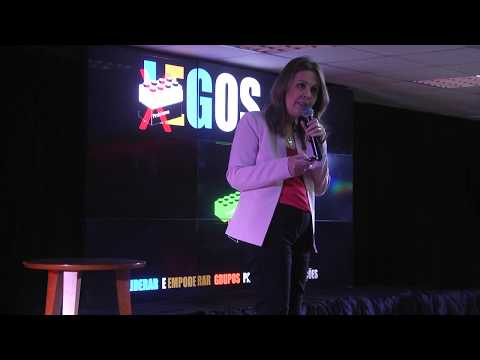
the laymen by the acronym to lead
empowering groups to optimize
solution solutions but also really
by the idea of the toy the idea of
try to build solutions through
small blocks where people before
everything that puts people together
groups people to form groups for
analyze the problem and then actually
would be empowered with the tools
needed these tools can be the
technology may be in some aspect and
said in one of the many times it is a
different culture is that culture that
makes people feel the
participants and those responsible for
all in a chain all on the team
work feel responsible for the
final solution of that model that can
until it was not the model we were
thinking the solution that we were
thinking can take other forms can
be different but maybe it’s a lot
better for that situation that we
we are facing so i came here
today to tell you about a
legos experience that started six
years ago between two states of
northeastern Brazil
one of them that had not yet
a structure for treating children with
heart problems
so we actually had a region
with more or less 4 million
inhabitants 56 thousand square kilometers
and we had to identify the musicians of the
orchestra to work together
The first step of course was to connect
these musicians what we did as the network
of Telemedicine No Technology
different from everything that already exists
connected several centers to work
together after we developed a
because these centers
could communicate so that these
people if you could communicate and
we develop naturally is technologies
computer science and especially a bank
so that we could
prospectively monitor everything that
happened to the children we were going to
being evaluated then we developed
also the protocols for structuring the
network
starting with the most basic protocols
so that all people who could
participate to understand if the model later
working specifically in the field of
cardiology and making protocols for
nurses who do a basic screening
when the baby is born
and we know we have nurses in
all maternities
then when these children
nurses seem to have some kind of
problem they go through a second
where a pediatrician makes a
examination of the heart being guided by
telemedicine within that network for a
cardiologist
then we established three outpatient clinics
in the state so that we could
accompany these children and finally
our surgical team agreed to
to travel once a week to do
the surgeries of the identified babies
the orchestra began playing in January
2012
we are approximately six years old
work together
in this period the team did a job
level screening where almost 180
little babies to get out more or less 2%
I thought you might have problems
and asked for level 2 screening.
and every two of these a baby was
identified
showing how we organize the
human resource within the
Cheers
we get better results
many clinical appointments were
and made more than 500 surgeries which
still far short of what we
we would like it more than we had
been made so far when we went
look at the results very quickly at
people saw that this state is a
detection of heart disease that was
lower than those reported to the
continent by the African continent
after the network with the subway began to
team work
the level of detection went up
similar to similar north america
to europe within the same state
but at that stage we saw that only
we were picking up the small children
and as a model
I refused a plastic model we
We discussed how to pick up children.
and then the first major innovation is
called the caravan of the heart
a great action where several
professionals to visit and triage
children in the state this innovation also
changed and went from cardiology to
several other areas
from cardiology to
other areas of the deaf and only
assistance to also take care of
training of various professionals
many things happen this caravan is
so charismatic you need to talk
There are people who feel that the
Caravan is the whole network and it actually
many new projects like
heart families a group of people
that through music
sought to pass on concepts of health
for these families and work a little
the educational side the social side of them
together but the caravan when we went
inside we discovered another
problem was also difficult for those
children who lived there on the
reach the outpatient clinics we
we had established in the three cities
and there was once again a
discussion and a new innovation came
tona is called ecotaxi which is an eco tax
we open new heart rooms in
each of those small towns where
the network work carried out
we call the doctors and the nurses
we did a training and then
We purchased three lots of
cardiology and we put it in large suitcases
these bags actually we put
to remain in the state in the first
each week goes to three cities
three more in the second in the third week
in the fourth week in a month
twelve new cardiology outpatient clinics
are carried out with only three lots of
equipment with
telemedicine and with that many children
who needed to move and no longer
they do in the state and can have their
assistance locally
inside that what other expansions
within this network
It started with cardiology but soon we
we saw that we could help other
children
this originates from a skin network in the
technology where today all children
who are born are supervised by a
pediatrician who is also
Telemedicine working they do
training are training do
regulation but the film recently
this subject in 2015 the network had a
another great challenge is exactly the
of microcephaly to paraiba was the
second state most affected by this
problem and this team came together and made
a training so that what
was being made for cardiology
could be done by the
children like microcephaly who are now
followed by the network
within this environment could say
many things about this network a
database of almost 200 thousand children
perhaps one of the largest in this
the world in question of medical data but I
wanted to quickly change the fire before
close to try to pass to you
a little day to day what it’s like to live this
network and Sunday while
Thinking what to say here today, I
I received a message that was quickly
to pass on to you are more
tiring but I’ll tell you quickly
What happened, I got a message
on skype asking for help on a patient
there are own network environments but
mainly weekends and
night skype is used using motorbikes ap
I passed by and went to see where it came from.
this message from a little point down there
a city of 20 thousand inhabitants in the
state interior a child
extremely severe
I then made a request that the
people could help us with this
I ask you to pay attention to the
This is a Sunday morning at
nine thirty in the morning
eight minutes later several people
were responding and had already connected
to make contact
we go on with it and with more or
less 20 minutes and we already had a
vague released in large hospital
pediatrics colleagues continue
talking discussing serious things one
This was a very difficult situation.
another child daughter kept 14 years
and an extremely difficult situation
social point of view the head of colleague
cardiology had already seen the diagnosis
was already helping the treatment of
about one hour and 56
minutes to be exact
nine medical professionals were
involved in helping this child and in
three hours
the child was optimized already
had left that city to
go a course that is naturally
very long and it’s cute but in practice
we know how hard this is and
reach the hospital to be optimized and
12 hours later I was inside a
receiving treatment
and if the network view people are not super
computers in series are not super
manuals are the brains inserts
working together all of them focused
to try to help and actions
relatively simple to very simple
but whose social impact is tremendous
especially for us who work
areas such as developing countries,
development and great distances
this is the idea of the network and
When we talk about it, the
people always ask this is it
replicable how it was done I think
this is replicable I think it can be
done but the main lesson that we
we learn is that it is not only a contribution
Financial technology is not only not
it’s only knowledge but it’s one thing
that really goes way beyond
the commitment of the people who
involve the will of the people to do
different from overcoming oneself from seeing the
human toe to equal independent
where they are from the social ladder
socioeconomic academic
inside and maybe this is the big
point in this latent network that maybe
can be summed up by this word
Right, and empathy, I understand the problem.
on the other I feel the other’s problem and
really want to help then
I believe this is a very
interesting and I hope you have stayed
a little of this idea for you and that
at least some of you today get out
from this room thinking if in the future
when they have any other problem
Instead of a pre solution globalized
shaped
if you could not legalize your
solutions and if we could not
so many other people in so many spaces
small parts of northeastern Brazil begin
put people together to put brains
together and create new and perhaps better
solutions to this type of problem with
all this joy that these people have
and here I ask permission for the priest and
epi los English football called from where
I rebate the original author of the sentence
where there is a desire there is a way to
end up saying empathetically where it is
desire is the best way
thank you
[Applause]
”
Be First to Comment