
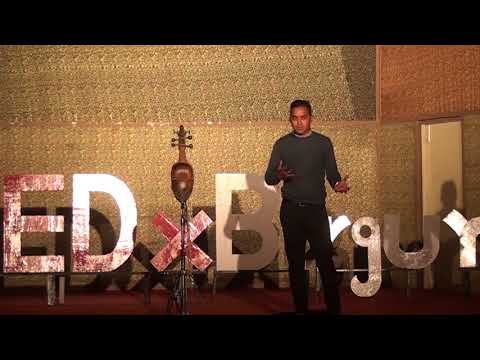
[Music] namaste first of all I’d like to thank
namaste first of all I’d like to thank
namaste first of all I’d like to thank you as well as congratulate TEDx Biggins
you as well as congratulate TEDx Biggins
you as well as congratulate TEDx Biggins was such a wonderful platform so please
was such a wonderful platform so please
was such a wonderful platform so please give a round of applause for today’s
give a round of applause for today’s
give a round of applause for today’s speakers
speakers
speakers [Applause]
[Applause]
[Applause] my name is Kiran Nepali and I am from a
my name is Kiran Nepali and I am from a
my name is Kiran Nepali and I am from a kendama family they are the line of
kendama family they are the line of
kendama family they are the line of ganderville suddenly players in my
ganderville suddenly players in my
ganderville suddenly players in my family and I’m proud to say I’m the
family and I’m proud to say I’m the
family and I’m proud to say I’m the third generation sarangi player and also
third generation sarangi player and also
third generation sarangi player and also I’m so much fortunate to hold that
I’m so much fortunate to hold that
I’m so much fortunate to hold that dignity to continue as a
dignity to continue as a
dignity to continue as a sarangi player and I’m also a part of
sarangi player and I’m also a part of
sarangi player and I’m also a part of Kitumba I hope you all know the band and
Kitumba I hope you all know the band and
Kitumba I hope you all know the band and also I play with people cherry
let me tell you about this instrument
let me tell you about this instrument sarangi
sarangi
sarangi how many of you know about this
how many of you know about this
how many of you know about this instrument that’s very less so this is a
instrument that’s very less so this is a
instrument that’s very less so this is a Nepalese
Nepalese
Nepalese traditional folk instrument this is made
traditional folk instrument this is made
traditional folk instrument this is made out of a single piece of wood
out of a single piece of wood
out of a single piece of wood handcrafted there’s a two soundhole one
handcrafted there’s a two soundhole one
handcrafted there’s a two soundhole one is covered with skin I have a komodo
is covered with skin I have a komodo
is covered with skin I have a komodo dragon skin here the neck and the head
dragon skin here the neck and the head
dragon skin here the neck and the head it’s a bowing instrument but let me ask
it’s a bowing instrument but let me ask
it’s a bowing instrument but let me ask you how many of you knew know that how
you how many of you knew know that how
you how many of you knew know that how it is played any idea any idea so this
it is played any idea any idea so this
it is played any idea any idea so this is one of the very few instrument in the
is one of the very few instrument in the
is one of the very few instrument in the world that is play
world that is play
world that is play with nails we don’t press the string
with nails we don’t press the string
with nails we don’t press the string it’s played with the nails this
it’s played with the nails this
it’s played with the nails this instrument belonged to Gandharvas but
instrument belonged to Gandharvas but
instrument belonged to Gandharvas but I’m sorry to say that this is a folk
I’m sorry to say that this is a folk
I’m sorry to say that this is a folk instrument this belongs to all Nepalese
instrument this belongs to all Nepalese
instrument this belongs to all Nepalese isn’t it isn’t it the folk music and the
isn’t it isn’t it the folk music and the
isn’t it isn’t it the folk music and the folk culture doesn’t belong to any
folk culture doesn’t belong to any
folk culture doesn’t belong to any community or any person it belongs to
community or any person it belongs to
community or any person it belongs to the nation so once again this instrument
the nation so once again this instrument
the nation so once again this instrument was practiced by Gandhara Gandhara x’
was practiced by Gandhara Gandhara x’
was practiced by Gandhara Gandhara x’ are the musical community of nepal we
are the musical community of nepal we
are the musical community of nepal we traveled hills and plains telling
traveled hills and plains telling
traveled hills and plains telling stories delivering masses we were the
stories delivering masses we were the
stories delivering masses we were the main source of entertainment back then
main source of entertainment back then
main source of entertainment back then but as we all know video killed the
but as we all know video killed the
but as we all know video killed the radio stars isn’t it the development of
radio stars isn’t it the development of
radio stars isn’t it the development of the communication and the media slowed
the communication and the media slowed
the communication and the media slowed down the practice of this tradition so
down the practice of this tradition so
down the practice of this tradition so most of the Gandharvas have left this
most of the Gandharvas have left this
most of the Gandharvas have left this storytelling of forgot this heritage let
storytelling of forgot this heritage let
storytelling of forgot this heritage let me tell you my story as a sarangi player
me tell you my story as a sarangi player
me tell you my story as a sarangi player i told you earlier that i was so
i told you earlier that i was so
i told you earlier that i was so fortunate to play the instrument but i
fortunate to play the instrument but i
fortunate to play the instrument but i didn’t play the instrument when i was
didn’t play the instrument when i was
didn’t play the instrument when i was very young
very young
very young unlike other people I was more onto
unlike other people I was more onto
unlike other people I was more onto guitar I started playing sarangi only
guitar I started playing sarangi only
guitar I started playing sarangi only before 10 years and then I wanted to
before 10 years and then I wanted to
before 10 years and then I wanted to learn this instrument back then my
learn this instrument back then my
learn this instrument back then my father used to play he still plays the
father used to play he still plays the
father used to play he still plays the sarangi and i want to try that
sarangi and i want to try that
sarangi and i want to try that instrument I went and lift the
instrument I went and lift the
instrument I went and lift the instrument and I played but my father
instrument and I played but my father
instrument and I played but my father said he don’t play the instrument
said he don’t play the instrument
said he don’t play the instrument because he wanted me to study and get a
because he wanted me to study and get a
because he wanted me to study and get a job get a better life my father never
job get a better life my father never
job get a better life my father never had a better life
had a better life
had a better life with the music playing sarangi so we all
with the music playing sarangi so we all
with the music playing sarangi so we all have gone through this process of
have gone through this process of
have gone through this process of discrimination between the cost isn’t it
discrimination between the cost isn’t it
discrimination between the cost isn’t it so GaN Dava were taken as untouchable
so GaN Dava were taken as untouchable
so GaN Dava were taken as untouchable caste so my father wanted me to get a
caste so my father wanted me to get a
caste so my father wanted me to get a way of it and study and get a job even
way of it and study and get a job even
way of it and study and get a job even my mom wanted me to be a lawyer but as
my mom wanted me to be a lawyer but as
my mom wanted me to be a lawyer but as we all know that the fate is written one
we all know that the fate is written one
we all know that the fate is written one day I was watching my father playing
day I was watching my father playing
day I was watching my father playing sarangi and they were a couple of
sarangi and they were a couple of
sarangi and they were a couple of students playing it trying to play it
students playing it trying to play it
students playing it trying to play it and I was looking at them and thought I
and I was looking at them and thought I
and I was looking at them and thought I could do better I think so I went to my
could do better I think so I went to my
could do better I think so I went to my mom and asked if there was a sarangi
mom and asked if there was a sarangi
mom and asked if there was a sarangi lying somewhere the next morning my mom
lying somewhere the next morning my mom
lying somewhere the next morning my mom handed over me a sarong game that was
handed over me a sarong game that was
handed over me a sarong game that was lying under the bed
lying under the bed
lying under the bed don’t know wind waiting to be played
don’t know wind waiting to be played
don’t know wind waiting to be played maybe and then I silently started
maybe and then I silently started
maybe and then I silently started playing sarangi my late grandfather was
playing sarangi my late grandfather was
playing sarangi my late grandfather was still alive back then he saw me trying
still alive back then he saw me trying
still alive back then he saw me trying to play the instrument he was very old
to play the instrument he was very old
to play the instrument he was very old though who couldn’t play better but he
though who couldn’t play better but he
though who couldn’t play better but he was guiding me all the time and he was
was guiding me all the time and he was
was guiding me all the time and he was teaching me a lot of traditional songs
teaching me a lot of traditional songs
teaching me a lot of traditional songs folk songs and teaching me the practice
folk songs and teaching me the practice
folk songs and teaching me the practice even he taught me couple of other songs
even he taught me couple of other songs
even he taught me couple of other songs about God and got this so how I started
about God and got this so how I started
about God and got this so how I started playing the Sungi we want to listen a
playing the Sungi we want to listen a
playing the Sungi we want to listen a song that I first ever learned in
song that I first ever learned in
song that I first ever learned in sarangi
so that was the first song I ever
so that was the first song I ever learned in sarangi and then I started
learned in sarangi and then I started
learned in sarangi and then I started playing I was already a musician I used
playing I was already a musician I used
playing I was already a musician I used to play with lots of bands and I was
to play with lots of bands and I was
to play with lots of bands and I was looking for friends to jam with play
looking for friends to jam with play
looking for friends to jam with play with and one happened to be my dear
with and one happened to be my dear
with and one happened to be my dear friend mr. Reuben Kumar’s Resta is the
friend mr. Reuben Kumar’s Resta is the
friend mr. Reuben Kumar’s Resta is the flute player of Kitumba this is about 10
flute player of Kitumba this is about 10
flute player of Kitumba this is about 10 years back about 10 years back this was
years back about 10 years back this was
years back about 10 years back this was in 2008 so he told me if I wanted to jam
in 2008 so he told me if I wanted to jam
in 2008 so he told me if I wanted to jam with Kitumba they used to feature a new
with Kitumba they used to feature a new
with Kitumba they used to feature a new artist and then I said I really want to
artist and then I said I really want to
artist and then I said I really want to play and then I went to the band had a
play and then I went to the band had a
play and then I went to the band had a little bit of practice session and then
little bit of practice session and then
little bit of practice session and then I still remember that day the event was
I still remember that day the event was
I still remember that day the event was at Gurukul and it was called chains
at Gurukul and it was called chains
at Gurukul and it was called chains again so in that change concert I played
again so in that change concert I played
again so in that change concert I played for a lot of people that was my first
for a lot of people that was my first
for a lot of people that was my first public appearance at the sari players
public appearance at the sari players
public appearance at the sari players and then after about three months yeah
and then after about three months yeah
and then after about three months yeah about three months I got called from mr.
about three months I got called from mr.
about three months I got called from mr. Pavich Kumar so if mr. poet margin the
Pavich Kumar so if mr. poet margin the
Pavich Kumar so if mr. poet margin the spoke person of Kitumba and he said like
spoke person of Kitumba and he said like
spoke person of Kitumba and he said like do you want to go on a tour with us I
do you want to go on a tour with us I
do you want to go on a tour with us I said why not so I went to the practice
said why not so I went to the practice
said why not so I went to the practice room we had a practice session about a
room we had a practice session about a
room we had a practice session about a week then I went on a tour with the band
week then I went on a tour with the band
week then I went on a tour with the band pooja knock boof and this was my first
pooja knock boof and this was my first
pooja knock boof and this was my first ever public appearance outside in
ever public appearance outside in
ever public appearance outside in general to a temple in front of 7,000
general to a temple in front of 7,000
general to a temple in front of 7,000 people we kept on playing a lot of
people we kept on playing a lot of
people we kept on playing a lot of concerts and I was fortunate even to
concerts and I was fortunate even to
concerts and I was fortunate even to play in Man City Stadium in Manchester
play in Man City Stadium in Manchester
play in Man City Stadium in Manchester the Football Club
the Football Club
the Football Club I guess that’s was the first-ever
I guess that’s was the first-ever
I guess that’s was the first-ever sarangi being played in football stadium
sarangi being played in football stadium
sarangi being played in football stadium and got featured in Coke Studio and this
and got featured in Coke Studio and this
and got featured in Coke Studio and this is the video from playing for chains
is the video from playing for chains
is the video from playing for chains with the feature artists from all around
with the feature artists from all around
with the feature artists from all around the world so I feel myself very much
the world so I feel myself very much
the world so I feel myself very much lucky and fortunate to be playing this
lucky and fortunate to be playing this
lucky and fortunate to be playing this instrument our Nepali heritage we used
instrument our Nepali heritage we used
instrument our Nepali heritage we used to sit down on a chair or a ground eight
to sit down on a chair or a ground eight
to sit down on a chair or a ground eight the songs play the melodies and people
the songs play the melodies and people
the songs play the melodies and people have in mind that suddenly is for sad
have in mind that suddenly is for sad
have in mind that suddenly is for sad songs usually when I talk to people
songs usually when I talk to people
songs usually when I talk to people about sarangi especially the old
about sarangi especially the old
about sarangi especially the old generation they will say me that oh this
generation they will say me that oh this
generation they will say me that oh this is a very sad
is a very sad
is a very sad singing instrument I wanted to change
singing instrument I wanted to change
singing instrument I wanted to change that but how
that but how
that but how so I was thinking one day I want to play
so I was thinking one day I want to play
so I was thinking one day I want to play or present starring it differently so I
or present starring it differently so I
or present starring it differently so I came up with an idea of Sarang
came up with an idea of Sarang
came up with an idea of Sarang understand so this is the first ever
understand so this is the first ever
understand so this is the first ever things are only being played on a stand
okay let me ask you a question how many
okay let me ask you a question how many of you play guitar here how many of you
of you play guitar here how many of you
of you play guitar here how many of you play how many have of you have seen your
play how many have of you have seen your
play how many have of you have seen your friends or your circle people playing
friends or your circle people playing
friends or your circle people playing guitar okay why do you think we get
guitar okay why do you think we get
guitar okay why do you think we get guitarists in every nox and corners have
guitarists in every nox and corners have
guitarists in every nox and corners have an idea because this playing on a bigger
an idea because this playing on a bigger
an idea because this playing on a bigger stage bigger light
stage bigger light
stage bigger light biggest sound isn’t it so we thought of
biggest sound isn’t it so we thought of
biggest sound isn’t it so we thought of why not changing our old instrument into
why not changing our old instrument into
why not changing our old instrument into something like this playing on a bigger
something like this playing on a bigger
something like this playing on a bigger stage playing on a bigger sound playing
stage playing on a bigger sound playing
stage playing on a bigger sound playing on a bigger light to make it cool again
on a bigger light to make it cool again
on a bigger light to make it cool again isn’t it I was already a guitar player I
isn’t it I was already a guitar player I
isn’t it I was already a guitar player I played with so many bands and rock bands
played with so many bands and rock bands
played with so many bands and rock bands a lot of people so I wanted to add more
a lot of people so I wanted to add more
a lot of people so I wanted to add more feature on it
feature on it
feature on it so I started adding up my pedals to the
so I started adding up my pedals to the
so I started adding up my pedals to the sarangi to bring out the coolest back
sarangi to bring out the coolest back
sarangi to bring out the coolest back again in this journey I got a lot of
again in this journey I got a lot of
again in this journey I got a lot of queries lot of questions especially from
queries lot of questions especially from
queries lot of questions especially from the youth how we can continue playing
the youth how we can continue playing
the youth how we can continue playing the instrument and the problem even I
the instrument and the problem even I
the instrument and the problem even I faced when I was playing sarangi was to
faced when I was playing sarangi was to
faced when I was playing sarangi was to get a proper professional sarangi which
get a proper professional sarangi which
get a proper professional sarangi which was not there because the practice of
was not there because the practice of
was not there because the practice of suddenly playing was slowly disappearing
suddenly playing was slowly disappearing
suddenly playing was slowly disappearing so like with that thing the craftsmen
so like with that thing the craftsmen
so like with that thing the craftsmen were also leaving their profession
were also leaving their profession
were also leaving their profession because the people who are making the
because the people who are making the
because the people who are making the sarangi sift up themselves to mix them
sarangi sift up themselves to mix them
sarangi sift up themselves to mix them for niches but they’re making good money
for niches but they’re making good money
for niches but they’re making good money so we are having we had we were having a
so we are having we had we were having a
so we are having we had we were having a hard time getting the instrument and
hard time getting the instrument and
hard time getting the instrument and providing it to the professional
providing it to the professional
providing it to the professional starting players who want to continue
starting players who want to continue
starting players who want to continue playing sarangi so I was talking to my
playing sarangi so I was talking to my
playing sarangi so I was talking to my family my friends that how we can
family my friends that how we can
family my friends that how we can improve it and there was my cousin
improve it and there was my cousin
improve it and there was my cousin brother he came to me and said oh I used
brother he came to me and said oh I used
brother he came to me and said oh I used to make sarangi really when about 20
to make sarangi really when about 20
to make sarangi really when about 20 years back I was like really can you
years back I was like really can you
years back I was like really can you make it again he said like I can try so
make it again he said like I can try so
make it again he said like I can try so we brought a log of wood brought the
we brought a log of wood brought the
we brought a log of wood brought the equipment’s and then after
equipment’s and then after
equipment’s and then after three days he handed over me or raw
three days he handed over me or raw
three days he handed over me or raw sarangi so this is the beginning of our
sarangi so this is the beginning of our
sarangi so this is the beginning of our project sarangi
project sarangi
project sarangi so projects are only started off with a
so projects are only started off with a
so projects are only started off with a single piece of raw sarangi and then i
single piece of raw sarangi and then i
single piece of raw sarangi and then i would like to introduce mr. dill mother
would like to introduce mr. dill mother
would like to introduce mr. dill mother Gandhari started making the sarangi
Gandhari started making the sarangi
Gandhari started making the sarangi after 25 years he is continuously making
after 25 years he is continuously making
after 25 years he is continuously making the instrument as well as teaching the
the instrument as well as teaching the
the instrument as well as teaching the youth and inspiring other people to come
youth and inspiring other people to come
youth and inspiring other people to come and play come and make the instrument so
and play come and make the instrument so
and play come and make the instrument so in these three years we have provided
in these three years we have provided
in these three years we have provided selling it to so many new students i was
selling it to so many new students i was
selling it to so many new students i was thinking how can we bring this saree
thinking how can we bring this saree
thinking how can we bring this saree player together i knew only few we’re
player together i knew only few we’re
player together i knew only few we’re playing okay so i started sending
playing okay so i started sending
playing okay so i started sending message to them but the masses feel like
message to them but the masses feel like
message to them but the masses feel like wildfire so many people message me back
wildfire so many people message me back
wildfire so many people message me back that they want to be part of this again
that they want to be part of this again
that they want to be part of this again so i thought of why not creating an
so i thought of why not creating an
so i thought of why not creating an event not for all the people but at
event not for all the people but at
event not for all the people but at least for the sorry players who can
least for the sorry players who can
least for the sorry players who can showcase the talent when we can really
showcase the talent when we can really
showcase the talent when we can really enhance their playing support them bring
enhance their playing support them bring
enhance their playing support them bring on the stairs so we created this
on the stairs so we created this
on the stairs so we created this platform called demarco the thing that
platform called demarco the thing that
platform called demarco the thing that made us very happy was we had almost 30
made us very happy was we had almost 30
made us very happy was we had almost 30 sorry players on one stage and adding on
sorry players on one stage and adding on
sorry players on one stage and adding on that something that made us very happy
that something that made us very happy
that something that made us very happy and proud where these young girls coming
and proud where these young girls coming
and proud where these young girls coming up and playing sarangi we’re talking
up and playing sarangi we’re talking
up and playing sarangi we’re talking about women empowerment we’re talking
about women empowerment we’re talking
about women empowerment we’re talking about women participation but did you
about women participation but did you
about women participation but did you know that still the practice of music
know that still the practice of music
know that still the practice of music for the women is restricted in so many
for the women is restricted in so many
for the women is restricted in so many places
so we are very much happy to see the
so we are very much happy to see the women playing the sarangi and again we
women playing the sarangi and again we
women playing the sarangi and again we were very much proud to being the first
were very much proud to being the first
were very much proud to being the first ever woman folk band Vitara to be the
ever woman folk band Vitara to be the
ever woman folk band Vitara to be the part of tomorrow so Joe Morgan was not
part of tomorrow so Joe Morgan was not
part of tomorrow so Joe Morgan was not just about sarangi playing we wanted to
just about sarangi playing we wanted to
just about sarangi playing we wanted to show the sarangi players the hardship of
show the sarangi players the hardship of
show the sarangi players the hardship of making an instrument it takes a lot of
making an instrument it takes a lot of
making an instrument it takes a lot of hard work to carve this instrument from
hard work to carve this instrument from
hard work to carve this instrument from a single piece of wood so we coming up
a single piece of wood so we coming up
a single piece of wood so we coming up with project sarangi Center a common
with project sarangi Center a common
with project sarangi Center a common ground to share our knowledge share our
ground to share our knowledge share our
ground to share our knowledge share our experience and sarangi not just sharing
experience and sarangi not just sharing
experience and sarangi not just sharing but it’s a learning ground as well not
but it’s a learning ground as well not
but it’s a learning ground as well not only for suddenly playing but also
only for suddenly playing but also
only for suddenly playing but also sarangi making we’re talking about
sarangi making we’re talking about
sarangi making we’re talking about economic growth all the time aren’t we
economic growth all the time aren’t we
economic growth all the time aren’t we and be talking about the economic growth
and be talking about the economic growth
and be talking about the economic growth the sustainability isn’t it and the
the sustainability isn’t it and the
the sustainability isn’t it and the first thing I want to say is we need to
first thing I want to say is we need to
first thing I want to say is we need to promote the craftsmen of Nepal not the
promote the craftsmen of Nepal not the
promote the craftsmen of Nepal not the sarangi different thing we see a lot of
sarangi different thing we see a lot of
sarangi different thing we see a lot of people going abroad but the thing that
people going abroad but the thing that
people going abroad but the thing that we’re missing is our basic things like
we’re missing is our basic things like
we’re missing is our basic things like the craftsman’s like the carpenters we
the craftsman’s like the carpenters we
the craftsman’s like the carpenters we are very much reaching our heritage on
are very much reaching our heritage on
are very much reaching our heritage on the same ground in the same centre
the same ground in the same centre
the same ground in the same centre looking forward for the collaboration
looking forward for the collaboration
looking forward for the collaboration between the Nepalese folk instrument
between the Nepalese folk instrument
between the Nepalese folk instrument itself and then also if we can bring
itself and then also if we can bring
itself and then also if we can bring this music to a coarse cross-cultural
this music to a coarse cross-cultural
this music to a coarse cross-cultural collaboration then music can be known
collaboration then music can be known
collaboration then music can be known around the world is not just Nepal but
around the world is not just Nepal but
around the world is not just Nepal but we tell you the my experience travels a
we tell you the my experience travels a
we tell you the my experience travels a person around the world playing this
person around the world playing this
person around the world playing this instrument and then
instrument and then
instrument and then most of the time what I hear from people
most of the time what I hear from people
most of the time what I hear from people is you bring the sound of mountains you
is you bring the sound of mountains you
is you bring the sound of mountains you bring the sound of the hills and you
bring the sound of the hills and you
bring the sound of the hills and you bring the sound of the plains and so
bring the sound of the plains and so
bring the sound of the plains and so much fortunate to introduce my Nepal our
much fortunate to introduce my Nepal our
much fortunate to introduce my Nepal our Nepal to the world through sarangi we
Nepal to the world through sarangi we
Nepal to the world through sarangi we need to come forward to preserve our
need to come forward to preserve our
need to come forward to preserve our heritage not just preserve but also to
heritage not just preserve but also to
heritage not just preserve but also to hand over this tradition to your father
hand over this tradition to your father
hand over this tradition to your father generation isn’t it and thank you very
generation isn’t it and thank you very
generation isn’t it and thank you very much
”
Be First to Comment