
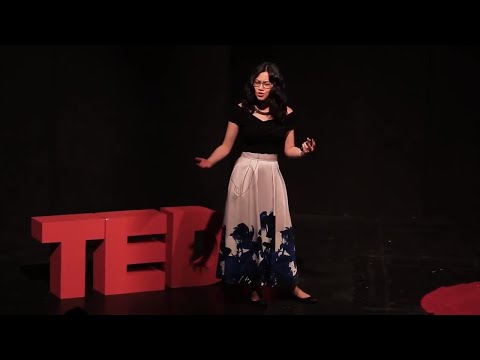
Shanghai September 26th 1998 my parents awoke to faint cries between laboured
awoke to faint cries between laboured
awoke to faint cries between laboured breathing from their first child at 18
breathing from their first child at 18
breathing from their first child at 18 months old I was dying and they didn’t
months old I was dying and they didn’t
months old I was dying and they didn’t know why they rushed me to the only
know why they rushed me to the only
know why they rushed me to the only Children’s Hospital still open that
Children’s Hospital still open that
Children’s Hospital still open that night my mom never carried me in her
night my mom never carried me in her
night my mom never carried me in her arms were feared that I would just go
had type 1 diabetes unsure of what that
had type 1 diabetes unsure of what that meant in terms of raising a child they
meant in terms of raising a child they
meant in terms of raising a child they decided to evacuate me back to Singapore
decided to evacuate me back to Singapore
decided to evacuate me back to Singapore essentially moving their lives back home
the first question my mom asks the
the first question my mom asks the doctor there was whether she’d be able
doctor there was whether she’d be able
doctor there was whether she’d be able to see me grow up now
to see me grow up now
to see me grow up now university wasn’t even in the question
university wasn’t even in the question
university wasn’t even in the question at that point she just wanted to know if
at that point she just wanted to know if
at that point she just wanted to know if I’d get past childhood the medical staff
I’d get past childhood the medical staff
I’d get past childhood the medical staff though focused on treating my condition
though focused on treating my condition
though focused on treating my condition in a very mechanical way and that left
in a very mechanical way and that left
in a very mechanical way and that left my mom’s emotional stress in a corner
so I’ve had type 1 diabetes for most of
so I’ve had type 1 diabetes for most of my life
my life
my life it’s an autoimmune disease which means
it’s an autoimmune disease which means
it’s an autoimmune disease which means that I have to do daily injections or
that I have to do daily injections or
that I have to do daily injections or wear an insulin pump as I am right now
wear an insulin pump as I am right now
wear an insulin pump as I am right now and I have to check my blood glucose
and I have to check my blood glucose
and I have to check my blood glucose multiple times a day having a chronic
multiple times a day having a chronic
multiple times a day having a chronic illness can feel quite isolating so last
illness can feel quite isolating so last
illness can feel quite isolating so last year I decided to write to a pen pal in
year I decided to write to a pen pal in
year I decided to write to a pen pal in Australia she also has type 1 and in one
Australia she also has type 1 and in one
Australia she also has type 1 and in one of her letters she said she doesn’t like
of her letters she said she doesn’t like
of her letters she said she doesn’t like being called a diabetic
being called a diabetic
being called a diabetic instead she introduces herself as a
instead she introduces herself as a
instead she introduces herself as a person with diabetes now to those who
person with diabetes now to those who
person with diabetes now to those who aren’t familiar with this disease it may
aren’t familiar with this disease it may
aren’t familiar with this disease it may seem like a small thing to fuss over I
seem like a small thing to fuss over I
seem like a small thing to fuss over I mean if we identify people based on
mean if we identify people based on
mean if we identify people based on their hair color their nationality then
their hair color their nationality then
their hair color their nationality then if our health statuses are just another
if our health statuses are just another
if our health statuses are just another feature of us being called a diabetic
feature of us being called a diabetic
feature of us being called a diabetic and amputee it shouldn’t matter so much
and amputee it shouldn’t matter so much
and amputee it shouldn’t matter so much right
at a discussion group by Diabetes UK I
at a discussion group by Diabetes UK I decided to ask my table the same
decided to ask my table the same
decided to ask my table the same question are you if somebody called you
question are you if somebody called you
question are you if somebody called you a diabetic rather than a pain a person
a diabetic rather than a pain a person
a diabetic rather than a pain a person with diabetes and the human was
with diabetes and the human was
with diabetes and the human was unanimous but why does the mere
unanimous but why does the mere
unanimous but why does the mere description of a disease matter so much
because the term diabetic is loaded it’s
because the term diabetic is loaded it’s loaded with the presumption that we are
loaded with the presumption that we are
loaded with the presumption that we are wholly responsible for our disease for
wholly responsible for our disease for
wholly responsible for our disease for the outcomes that medical staff and
the outcomes that medical staff and
the outcomes that medical staff and society charge us upon essentially
society charge us upon essentially
society charge us upon essentially because we’re seeing as accountable for
because we’re seeing as accountable for
because we’re seeing as accountable for our self-care we’re also assumed to be
our self-care we’re also assumed to be
our self-care we’re also assumed to be responsible for our measurable health
responsible for our measurable health
responsible for our measurable health outcomes now this is seeing the patient
outcomes now this is seeing the patient
outcomes now this is seeing the patient as their disease but tonight I want to
as their disease but tonight I want to
as their disease but tonight I want to talk about how disconnecting the –
talk about how disconnecting the –
talk about how disconnecting the – seeing the patient as more than their
seeing the patient as more than their
seeing the patient as more than their disease can essentially change our
disease can essentially change our
disease can essentially change our delivery of healthcare healthcare
delivery of healthcare healthcare
delivery of healthcare healthcare systems and developed countries are
systems and developed countries are
systems and developed countries are striving towards a new paradigm what is
striving towards a new paradigm what is
striving towards a new paradigm what is known as patient-centered care in this
known as patient-centered care in this
known as patient-centered care in this patients would share in the
patients would share in the
patients would share in the decision-making process rather than
decision-making process rather than
decision-making process rather than being told how to take care of
being told how to take care of
being told how to take care of themselves
themselves
themselves governments are realizing that by
governments are realizing that by
governments are realizing that by empowering patients and making health
empowering patients and making health
empowering patients and making health decisions this leads to better patient
decisions this leads to better patient
decisions this leads to better patient outcomes because they become happier
outcomes because they become happier
outcomes because they become happier with the treatment that they’re getting
with the treatment that they’re getting
with the treatment that they’re getting I remember being so afraid of going back
I remember being so afraid of going back
I remember being so afraid of going back to fencing when I first got my insulin
to fencing when I first got my insulin
to fencing when I first got my insulin pump I was so afraid of my opponent’s
pump I was so afraid of my opponent’s
pump I was so afraid of my opponent’s weapons striking the plastic tube
weapons striking the plastic tube
weapons striking the plastic tube acting my pumped my body because if that
acting my pumped my body because if that
acting my pumped my body because if that happens then there’ll be lots of
happens then there’ll be lots of
happens then there’ll be lots of bleeding I’ll have to change the whole
bleeding I’ll have to change the whole
bleeding I’ll have to change the whole set and I didn’t want to go through all
set and I didn’t want to go through all
set and I didn’t want to go through all of that hassle it’s just too much to
of that hassle it’s just too much to
of that hassle it’s just too much to deal with so for a whole term I didn’t
deal with so for a whole term I didn’t
deal with so for a whole term I didn’t turn up to any training session and when
turn up to any training session and when
turn up to any training session and when I talked to my endocrinologist back in
I talked to my endocrinologist back in
I talked to my endocrinologist back in Singapore he was shocked he suggested
Singapore he was shocked he suggested
Singapore he was shocked he suggested ways to protect my insulin pump
ways to protect my insulin pump
ways to protect my insulin pump strategies to manage this disease whilst
strategies to manage this disease whilst
strategies to manage this disease whilst doing such an intensive sport my doctor
doing such an intensive sport my doctor
doing such an intensive sport my doctor worked with me he respected my lifestyle
worked with me he respected my lifestyle
worked with me he respected my lifestyle decisions he showed me how to fit
decisions he showed me how to fit
decisions he showed me how to fit diabetes into my life rather than how I
diabetes into my life rather than how I
diabetes into my life rather than how I had to fit around my diabetes he showed
had to fit around my diabetes he showed
had to fit around my diabetes he showed me how I am NOT my disease
patient empowerment doesn’t mean the
patient empowerment doesn’t mean the patient is always right certainly it
patient is always right certainly it
patient is always right certainly it doesn’t mean any disrespect to the
doesn’t mean any disrespect to the
doesn’t mean any disrespect to the amazing training our health care
amazing training our health care
amazing training our health care professionals already go through but I
professionals already go through but I
professionals already go through but I believe that the way medicine has been
believe that the way medicine has been
believe that the way medicine has been traditionally practiced has focused too
traditionally practiced has focused too
traditionally practiced has focused too much on dissecting the patient into
much on dissecting the patient into
much on dissecting the patient into their individual health failings we’re
their individual health failings we’re
their individual health failings we’re not seeing all of these parts as a whole
not seeing all of these parts as a whole
not seeing all of these parts as a whole person with the rise in the number of
person with the rise in the number of
person with the rise in the number of people living to old age
people living to old age
people living to old age we need to drastically change the way we
we need to drastically change the way we
we need to drastically change the way we deliver healthcare because the key to
deliver healthcare because the key to
deliver healthcare because the key to good long-term sustainable care is
good long-term sustainable care is
good long-term sustainable care is patient empowerment and how are we
patient empowerment and how are we
patient empowerment and how are we supposed to care for them if we don’t
supposed to care for them if we don’t
supposed to care for them if we don’t know what they want one of my uncles has
know what they want one of my uncles has
know what they want one of my uncles has mild dementia high blood pressure and
mild dementia high blood pressure and
mild dementia high blood pressure and cataracts my on his caregiver she only
cataracts my on his caregiver she only
cataracts my on his caregiver she only wants to fix the last two she doesn’t
wants to fix the last two she doesn’t
wants to fix the last two she doesn’t feel that his dementia is causing any
feel that his dementia is causing any
feel that his dementia is causing any big challenges in her daily caregiving
big challenges in her daily caregiving
big challenges in her daily caregiving so they went to see his doctor and the
so they went to see his doctor and the
so they went to see his doctor and the doctor listened to my aunt’s health
doctor listened to my aunt’s health
doctor listened to my aunt’s health priorities signed up signed my uncle up
priorities signed up signed my uncle up
priorities signed up signed my uncle up for some simple cataract surgery
for some simple cataract surgery
for some simple cataract surgery prescribed medication and that was it
prescribed medication and that was it
prescribed medication and that was it they didn’t need to go through extensive
they didn’t need to go through extensive
they didn’t need to go through extensive complicated dementia treatments which
complicated dementia treatments which
complicated dementia treatments which may have very well induced more
may have very well induced more
may have very well induced more emotional stress for their family the
emotional stress for their family the
emotional stress for their family the doctor worked with them to achieve my
doctor worked with them to achieve my
doctor worked with them to achieve my uncle’s health goals even though that
uncle’s health goals even though that
uncle’s health goals even though that meant not addressing every single one of
meant not addressing every single one of
meant not addressing every single one of his conditions with the rise in the
his conditions with the rise in the
his conditions with the rise in the aging population these generations are
aging population these generations are
aging population these generations are now living with
now living with
now living with for five different conditions that all
for five different conditions that all
for five different conditions that all interact with each other
interact with each other
interact with each other treating them will mean ensuring both
treating them will mean ensuring both
treating them will mean ensuring both their safety and happiness but that may
their safety and happiness but that may
their safety and happiness but that may mean not addressing every single one of
mean not addressing every single one of
mean not addressing every single one of their health conditions and that is okay
their health conditions and that is okay
their health conditions and that is okay that is okay I know it sounds
that is okay I know it sounds
that is okay I know it sounds counterintuitive but patients and their
counterintuitive but patients and their
counterintuitive but patients and their caregivers will actually be more
caregivers will actually be more
caregivers will actually be more motivated to take care of themselves if
motivated to take care of themselves if
motivated to take care of themselves if they know they’ve had a part in the
they know they’ve had a part in the
they know they’ve had a part in the decision making process and there’s a
decision making process and there’s a
decision making process and there’s a societal benefit to it can be
societal benefit to it can be
societal benefit to it can be cost-saving if patients don’t want to go
cost-saving if patients don’t want to go
cost-saving if patients don’t want to go through unnecessary expensive medical
through unnecessary expensive medical
through unnecessary expensive medical procedures then why should we push them
procedures then why should we push them
procedures then why should we push them to do it when we see patients as more
to do it when we see patients as more
to do it when we see patients as more than their disease we are changing the
than their disease we are changing the
than their disease we are changing the paradigm from doctor versus patient to
paradigm from doctor versus patient to
paradigm from doctor versus patient to doctor and patient versus disease so the
doctor and patient versus disease so the
doctor and patient versus disease so the next question is how do we get there
Benjamin Zander conductor of the Boston
Benjamin Zander conductor of the Boston Philharmonic proposes a method called
Philharmonic proposes a method called
Philharmonic proposes a method called giving an A it all started when he walks
giving an A it all started when he walks
giving an A it all started when he walks into his music class the start of the
into his music class the start of the
into his music class the start of the academic year and he says to his
academic year and he says to his
academic year and he says to his students guys at the end of this year
students guys at the end of this year
students guys at the end of this year you’re all going to be getting an A
you’re all going to be getting an A
you’re all going to be getting an A that’s right the top grade it sounds
that’s right the top grade it sounds
that’s right the top grade it sounds like a good deal right but I want you to
like a good deal right but I want you to
like a good deal right but I want you to write a letter addressed to me imagining
write a letter addressed to me imagining
write a letter addressed to me imagining yourself in the position a year from now
yourself in the position a year from now
yourself in the position a year from now telling me why you deserved your a and
telling me why you deserved your a and
telling me why you deserved your a and that’s what they did in that very first
that’s what they did in that very first
that’s what they did in that very first class you see by doing this
class you see by doing this
class you see by doing this Zander has allowed the students not to
Zander has allowed the students not to
Zander has allowed the students not to be defined but that singular letter
be defined but that singular letter
be defined but that singular letter grade and instead explore their passions
grade and instead explore their passions
grade and instead explore their passions their motivations for why they wanted to
their motivations for why they wanted to
their motivations for why they wanted to take his music class in the first place
take his music class in the first place
take his music class in the first place and allowed that to carry them
and allowed that to carry them
and allowed that to carry them throughout the year in the world of help
throughout the year in the world of help
throughout the year in the world of help this would be asking patients what they
this would be asking patients what they
this would be asking patients what they want to achieve out of their health care
when doctors give patients and a they
when doctors give patients and a they choose to line up with the patient to
choose to line up with the patient to
choose to line up with the patient to combat their disease rather than lining
combat their disease rather than lining
combat their disease rather than lining up with the standards against the
up with the standards against the
up with the standards against the patient they’re inviting them as
patient they’re inviting them as
patient they’re inviting them as colleagues rather than speaking to them
colleagues rather than speaking to them
colleagues rather than speaking to them from a position of power and patience
from a position of power and patience
from a position of power and patience then become equally valid
then become equally valid
then become equally valid Wheeler’s of knowledge of their own
Wheeler’s of knowledge of their own
Wheeler’s of knowledge of their own health
they’re seen as individuals rather than
they’re seen as individuals rather than just an amalgamation of their health
just an amalgamation of their health
just an amalgamation of their health conditions ladies and gentlemen this
conditions ladies and gentlemen this
conditions ladies and gentlemen this simple act of giving an A will
simple act of giving an A will
simple act of giving an A will revolutionize centuries of doctor and
revolutionize centuries of doctor and
revolutionize centuries of doctor and patient relationships from this we get
patient relationships from this we get
patient relationships from this we get to immediate results the first is that
to immediate results the first is that
to immediate results the first is that doctors get new information about what
doctors get new information about what
doctors get new information about what the patient’s thoughts and fears about
the patient’s thoughts and fears about
the patient’s thoughts and fears about their illnesses are they can address any
their illnesses are they can address any
their illnesses are they can address any knowledge gaps when doctors get patients
knowledge gaps when doctors get patients
knowledge gaps when doctors get patients in ale they’re opening up to a new point
in ale they’re opening up to a new point
in ale they’re opening up to a new point of view
of view
of view second the patient gets to speak about
second the patient gets to speak about
second the patient gets to speak about any insecurities any concerns they’ve
any insecurities any concerns they’ve
any insecurities any concerns they’ve had about their illnesses their health
had about their illnesses their health
had about their illnesses their health in general things that they may not have
in general things that they may not have
in general things that they may not have spoken about because of the traditional
spoken about because of the traditional
spoken about because of the traditional power inequality in the doctor and
power inequality in the doctor and
power inequality in the doctor and patient relationship these two results
patient relationship these two results
patient relationship these two results of what I believe will carry us towards
of what I believe will carry us towards
of what I believe will carry us towards the patient-centered care system we need
the patient-centered care system we need
the patient-centered care system we need I’m not calling for a SurveyMonkey type
I’m not calling for a SurveyMonkey type
I’m not calling for a SurveyMonkey type of intervention no that’s too
of intervention no that’s too
of intervention no that’s too superficial I mean we don’t know if
superficial I mean we don’t know if
superficial I mean we don’t know if hospitals will read our feedback or if
hospitals will read our feedback or if
hospitals will read our feedback or if they’ll even address it in the way that
they’ll even address it in the way that
they’ll even address it in the way that we want them to know what I’m proposing
we want them to know what I’m proposing
we want them to know what I’m proposing it’s a method by which health care
it’s a method by which health care
it’s a method by which health care systems can holistically respond to us
systems can holistically respond to us
systems can holistically respond to us as individuals rather than segmenting
as individuals rather than segmenting
as individuals rather than segmenting and segregating us into all our
and segregating us into all our
and segregating us into all our different illnesses
nineteen years ago if the medical staff
nineteen years ago if the medical staff had talked my mom through what it meant
had talked my mom through what it meant
had talked my mom through what it meant to raise a child with diabetes what it
to raise a child with diabetes what it
to raise a child with diabetes what it meant to go through that emotional
meant to go through that emotional
meant to go through that emotional stress then maybe she wouldn’t have had
stress then maybe she wouldn’t have had
stress then maybe she wouldn’t have had such a traumatic experience with my
such a traumatic experience with my
such a traumatic experience with my diagnosis maybe she’d be able to look at
diagnosis maybe she’d be able to look at
diagnosis maybe she’d be able to look at old photographs and not feel guilty by
old photographs and not feel guilty by
old photographs and not feel guilty by realizing that accountability does not
realizing that accountability does not
realizing that accountability does not necessitate personal responsibility we
necessitate personal responsibility we
necessitate personal responsibility we are seeing patients as more than their
are seeing patients as more than their
are seeing patients as more than their disease this allows doctors to give
disease this allows doctors to give
disease this allows doctors to give patients okay
patients okay
patients okay which then puts both doctor and patient
which then puts both doctor and patient
which then puts both doctor and patient on a level battleground United in
on a level battleground United in
on a level battleground United in achieving the patient’s health goals
so tonight tonight I invite you to join
so tonight tonight I invite you to join me in support of a health policy that
me in support of a health policy that
me in support of a health policy that facilitates communication with this very
facilitates communication with this very
facilitates communication with this very attitude because effective communication
attitude because effective communication
attitude because effective communication is achieved when we have both sides
is achieved when we have both sides
is achieved when we have both sides learning from each other
this three-step process is what will
this three-step process is what will help us truly achieve the
help us truly achieve the
help us truly achieve the patient-centered care systems we need
”
Be First to Comment