
so a few months ago I was out in Alviso in the SLOS and I was sitting on this
in the SLOS and I was sitting on this
in the SLOS and I was sitting on this embankment out in the bay and just
embankment out in the bay and just
embankment out in the bay and just looking out over the over the bay and
looking out over the over the bay and
looking out over the over the bay and all the wildlife and the egrets sitting
all the wildlife and the egrets sitting
all the wildlife and the egrets sitting there and the birds flitting about and
there and the birds flitting about and
there and the birds flitting about and then I thought wow this is a really
then I thought wow this is a really
then I thought wow this is a really beautiful natural scene and you can just
beautiful natural scene and you can just
beautiful natural scene and you can just see the ecosystem all around us but then
see the ecosystem all around us but then
see the ecosystem all around us but then on the horizon
on the horizon
on the horizon it wasn’t the bay itself just extending
it wasn’t the bay itself just extending
it wasn’t the bay itself just extending on forever
on forever
on forever it was the buildings of Silicon Valley
it was the buildings of Silicon Valley
it was the buildings of Silicon Valley you know steel glass just dominating the
you know steel glass just dominating the
you know steel glass just dominating the edge and I thought wow that’s a stark
edge and I thought wow that’s a stark
edge and I thought wow that’s a stark contrast if there ever were one right
contrast if there ever were one right
contrast if there ever were one right but then as I just sat there by myself
but then as I just sat there by myself
but then as I just sat there by myself as the minutes went on in that afternoon
as the minutes went on in that afternoon
as the minutes went on in that afternoon I was thinking well maybe the same
I was thinking well maybe the same
I was thinking well maybe the same systems that I see around me right now
systems that I see around me right now
systems that I see around me right now in this ecosystem this wetland ecosystem
in this ecosystem this wetland ecosystem
in this ecosystem this wetland ecosystem can really we can really see them in
can really we can really see them in
can really we can really see them in human artificial systems as well it they
human artificial systems as well it they
human artificial systems as well it they worked the same way they’re not so
worked the same way they’re not so
worked the same way they’re not so different after all
different after all
different after all and so I’m gonna be talking about
and so I’m gonna be talking about
and so I’m gonna be talking about complexity today and how complexity
complexity today and how complexity
complexity today and how complexity manifests itself both in the natural
manifests itself both in the natural
manifests itself both in the natural world and in the artificial human world
world and in the artificial human world
world and in the artificial human world and how those two things aren’t that
and how those two things aren’t that
and how those two things aren’t that different so first we should talk about
different so first we should talk about
different so first we should talk about what complexity really is and of course
what complexity really is and of course
what complexity really is and of course we should we should look at the word
we should we should look at the word
we should we should look at the word itself right and it comes from Latin and
itself right and it comes from Latin and
itself right and it comes from Latin and it comes from ya Combe and plexus it
it comes from ya Combe and plexus it
it comes from ya Combe and plexus it means woven together and sometimes we
means woven together and sometimes we
means woven together and sometimes we think of complexity as just mmm meaning
think of complexity as just mmm meaning
think of complexity as just mmm meaning that something has many different parts
that something has many different parts
that something has many different parts but that’s not the crux of of the word
but that’s not the crux of of the word
but that’s not the crux of of the word it really means the idea that everything
it really means the idea that everything
it really means the idea that everything in this in a complex situation in a
in this in a complex situation in a
in this in a complex situation in a complex problem all of those parts are
complex problem all of those parts are
complex problem all of those parts are extremely interweaving together and
extremely interweaving together and
extremely interweaving together and they’re inextricable and if you move one
they’re inextricable and if you move one
they’re inextricable and if you move one part it moves everything else in that
part it moves everything else in that
part it moves everything else in that system and that’s really important to
system and that’s really important to
system and that’s really important to think about because some of the things
think about because some of the things
think about because some of the things that we simplify around this are
that we simplify around this are
that we simplify around this are actually quite and complex so going back
actually quite and complex so going back
actually quite and complex so going back to the afternoon ecology is one of those
to the afternoon ecology is one of those
to the afternoon ecology is one of those one of those fields so let’s talk about
one of those fields so let’s talk about
one of those fields so let’s talk about you know the evolution of this
you know the evolution of this
you know the evolution of this complexity right in ecosystems described
complexity right in ecosystems described
complexity right in ecosystems described by ecology right
by ecology right
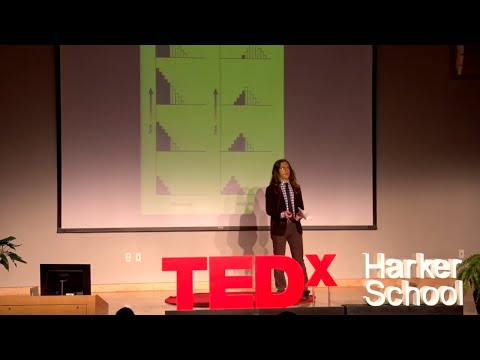
by ecology right right here we have this idea of an
right here we have this idea of an
right here we have this idea of an active trend there are two competing
active trend there are two competing
active trend there are two competing ideas of how evolution has evolved in
ideas of how evolution has evolved in
ideas of how evolution has evolved in the natural world and first there was
the natural world and first there was
the natural world and first there was the idea of this active trend that
the idea of this active trend that
the idea of this active trend that organisms would evolve to fulfill like a
organisms would evolve to fulfill like a
organisms would evolve to fulfill like a perfect state that they would have a
perfect state that they would have a
perfect state that they would have a grow a lame an appendage and that would
grow a lame an appendage and that would
grow a lame an appendage and that would be fulfilling some sort of destined
be fulfilling some sort of destined
be fulfilling some sort of destined state and so if we look at the
state and so if we look at the
state and so if we look at the distributions here this is time and this
distributions here this is time and this
distributions here this is time and this is complexity at the beginning you have
is complexity at the beginning you have
is complexity at the beginning you have a whole lot of very uncomplicated Sandin
a whole lot of very uncomplicated Sandin
a whole lot of very uncomplicated Sandin as time goes on that whole plot just
as time goes on that whole plot just
as time goes on that whole plot just shifts to the right and everything gets
shifts to the right and everything gets
shifts to the right and everything gets more complex the thing is this has not
more complex the thing is this has not
more complex the thing is this has not really been in favor in the scientific
really been in favor in the scientific
really been in favor in the scientific fields as of late even in 1953 two
fields as of late even in 1953 two
fields as of late even in 1953 two biologist George Gaylord Simpson called
biologist George Gaylord Simpson called
biologist George Gaylord Simpson called active this active trend something that
active this active trend something that
active this active trend something that could only be described as a mysterious
could only be described as a mysterious
could only be described as a mysterious inner force because there was no real
inner force because there was no real
inner force because there was no real biological explanation for why things
biological explanation for why things
biological explanation for why things would just evolve for some teleological
would just evolve for some teleological
would just evolve for some teleological purpose now instead we have this idea of
purpose now instead we have this idea of
purpose now instead we have this idea of a passive trend where again we have a
a passive trend where again we have a
a passive trend where again we have a whole lot of organisms at first at the
whole lot of organisms at first at the
whole lot of organisms at first at the uncomplicated appoint moves to the right
uncomplicated appoint moves to the right
uncomplicated appoint moves to the right it just gets bigger we have more and
it just gets bigger we have more and
it just gets bigger we have more and more types of organisms that
more types of organisms that
more types of organisms that differentiate but the idea is that the
differentiate but the idea is that the
differentiate but the idea is that the trend itself stays weighted towards the
trend itself stays weighted towards the
trend itself stays weighted towards the uncomplicate you really have is a whole
uncomplicate you really have is a whole
uncomplicate you really have is a whole lot of a proliferation of really
lot of a proliferation of really
lot of a proliferation of really uncomplicated think of prokaryotes like
uncomplicated think of prokaryotes like
uncomplicated think of prokaryotes like bacteria or something like archaea that
bacteria or something like archaea that
bacteria or something like archaea that really don’t have much biological
really don’t have much biological
really don’t have much biological complexity but then these ecosystems are
complexity but then these ecosystems are
complexity but then these ecosystems are dominated by the most complex
dominated by the most complex
dominated by the most complex individuals individual organisms which
individuals individual organisms which
individuals individual organisms which actually comprise the minority of those
actually comprise the minority of those
actually comprise the minority of those ecosystems so let’s look at a food chain
ecosystems so let’s look at a food chain
ecosystems so let’s look at a food chain a food web right these are actually
a food web right these are actually
a food web right these are actually quite complex situations right if we’re
quite complex situations right if we’re
quite complex situations right if we’re thinking about biological complexity at
thinking about biological complexity at
thinking about biological complexity at the bottom we have these primary
the bottom we have these primary
the bottom we have these primary producers these are things at the basis
producers these are things at the basis
producers these are things at the basis like bacteria and and then as you go
like bacteria and and then as you go
like bacteria and and then as you go more complex you go up the food chain or
more complex you go up the food chain or
more complex you go up the food chain or the food web right but it isn’t purely
the food web right but it isn’t purely
the food web right but it isn’t purely hierarchical you
hierarchical you
hierarchical you just define one two three four levels or
just define one two three four levels or
just define one two three four levels or something like that you have things that
something like that you have things that
something like that you have things that seem to nest in between levels or things
seem to nest in between levels or things
seem to nest in between levels or things that occupy multiple levels different
that occupy multiple levels different
that occupy multiple levels different organisms and yet we still have a way to
organisms and yet we still have a way to
organisms and yet we still have a way to rationalize this complexity and chaos to
rationalize this complexity and chaos to
rationalize this complexity and chaos to a degree by saying okay we have primary
a degree by saying okay we have primary
a degree by saying okay we have primary producers these herbivores eat those
producers these herbivores eat those
producers these herbivores eat those primary producers this primary consumers
primary producers this primary consumers
primary producers this primary consumers eat those herbivores and so on so we
eat those herbivores and so on so we
eat those herbivores and so on so we have ways to do this with your models to
have ways to do this with your models to
have ways to do this with your models to describe something that isn’t purely
describe something that isn’t purely
describe something that isn’t purely describable by models same thing with
describable by models same thing with
describable by models same thing with something like proteins right we have at
something like proteins right we have at
something like proteins right we have at the very basis we have we have DNA right
the very basis we have we have DNA right
the very basis we have we have DNA right and we understand the sequence of that
and we understand the sequence of that
and we understand the sequence of that DNA and we can determine that
DNA and we can determine that
DNA and we can determine that biochemically and then we have larger
biochemically and then we have larger
biochemically and then we have larger structures about how that Dean those
structures about how that Dean those
structures about how that Dean those strands of DNA fold together but we
strands of DNA fold together but we
strands of DNA fold together but we don’t really have a full understanding
don’t really have a full understanding
don’t really have a full understanding of exactly how this works we have these
of exactly how this works we have these
of exactly how this works we have these amino acids brought together in beta
amino acids brought together in beta
amino acids brought together in beta sheets and alpha helixes but we don’t
sheets and alpha helixes but we don’t
sheets and alpha helixes but we don’t actually know how those fold in fact
actually know how those fold in fact
actually know how those fold in fact there’s a citizen science game out there
there’s a citizen science game out there
there’s a citizen science game out there right now called fold it where users
right now called fold it where users
right now called fold it where users actually have to determine how these
actually have to determine how these
actually have to determine how these sheets will fold because we don’t fully
sheets will fold because we don’t fully
sheets will fold because we don’t fully understand biochemically why these
understand biochemically why these
understand biochemically why these things forward and yet like the food web
things forward and yet like the food web
things forward and yet like the food web in ecology we still define primary
in ecology we still define primary
in ecology we still define primary secondary tertiary and quaternary
secondary tertiary and quaternary
secondary tertiary and quaternary structure things that aren’t necessarily
structure things that aren’t necessarily
structure things that aren’t necessarily intrinsically defined but are our own
intrinsically defined but are our own
intrinsically defined but are our own labels for something that’s quite
labels for something that’s quite
labels for something that’s quite complex so then let’s talk about a
complex so then let’s talk about a
complex so then let’s talk about a larger ecosystem and that that’s the
larger ecosystem and that that’s the
larger ecosystem and that that’s the whole world this is a glacier right and
whole world this is a glacier right and
whole world this is a glacier right and this is not a glacier in good condition
this is not a glacier in good condition
this is not a glacier in good condition so historians and scientists used to
so historians and scientists used to
so historians and scientists used to think that the massive glacier melts in
think that the massive glacier melts in
think that the massive glacier melts in the nineteenth century were caused by
the nineteenth century were caused by
the nineteenth century were caused by the end of the Little Ice Age and this
the end of the Little Ice Age and this
the end of the Little Ice Age and this was just a increasing global temperature
was just a increasing global temperature
was just a increasing global temperature that caused the glaciers to melt and
that caused the glaciers to melt and
that caused the glaciers to melt and this was the you know the pinion for
this was the you know the pinion for
this was the you know the pinion for many years for decades but the thing is
many years for decades but the thing is
many years for decades but the thing is the scientists and historians weren’t
the scientists and historians weren’t
the scientists and historians weren’t really considering the system of the
really considering the system of the
really considering the system of the whole earth because they were
whole earth because they were
whole earth because they were considering just the glacier itself what
considering just the glacier itself what
considering just the glacier itself what we’ve discovered in recent years is that
we’ve discovered in recent years is that
we’ve discovered in recent years is that instead of just a glow like this
instead of just a glow like this
instead of just a glow like this climactic fan
climactic fan
climactic fan this coincides this melt off of glaciers
this coincides this melt off of glaciers
this coincides this melt off of glaciers coincides with the widespread
coincides with the widespread
coincides with the widespread proliferation of soot from the
proliferation of soot from the
proliferation of soot from the Industrial Revolution and so as
Industrial Revolution and so as
Industrial Revolution and so as factories proliferated across Western
factories proliferated across Western
factories proliferated across Western Europe they would produce soot and in
Europe they would produce soot and in
Europe they would produce soot and in this suit would get carried to the
this suit would get carried to the
this suit would get carried to the Arctic regions and glaciers around the
Arctic regions and glaciers around the
Arctic regions and glaciers around the world and that suit would be deposited
world and that suit would be deposited
world and that suit would be deposited and since it’s black it would reduce the
and since it’s black it would reduce the
and since it’s black it would reduce the albedo effect on the glaciers and the
albedo effect on the glaciers and the
albedo effect on the glaciers and the glaciers would melt fast faster they
glaciers would melt fast faster they
glaciers would melt fast faster they would absorb that sunlight because of
would absorb that sunlight because of
would absorb that sunlight because of their darker pigment like we see right
their darker pigment like we see right
their darker pigment like we see right here and this is happening in the modern
here and this is happening in the modern
here and this is happening in the modern day – we can’t just describe how
day – we can’t just describe how
day – we can’t just describe how glaciers melt by the glacier itself we
glaciers melt by the glacier itself we
glaciers melt by the glacier itself we have to understand the factors
have to understand the factors
have to understand the factors surrounding it like so from factories or
surrounding it like so from factories or
surrounding it like so from factories or perhaps the friction caused when
perhaps the friction caused when
perhaps the friction caused when glaciers are melting when the glaciers
glaciers are melting when the glaciers
glaciers are melting when the glaciers melt they move faster that causes even
melt they move faster that causes even
melt they move faster that causes even more friction causing them to melt even
more friction causing them to melt even
more friction causing them to melt even faster so we can’t just say this block
faster so we can’t just say this block
faster so we can’t just say this block of ice is you know a physical substance
of ice is you know a physical substance
of ice is you know a physical substance and we’re gonna model the rate of melt
and we’re gonna model the rate of melt
and we’re gonna model the rate of melt of that ice based off the ice itself you
of that ice based off the ice itself you
of that ice based off the ice itself you have to consider everything around it
have to consider everything around it
have to consider everything around it take another ecosystem the Great Lakes
take another ecosystem the Great Lakes
take another ecosystem the Great Lakes so in 1986 two different species of
so in 1986 two different species of
so in 1986 two different species of mussels were introduced to the Great
mussels were introduced to the Great
mussels were introduced to the Great Lakes the zebra mussel in the quagga
Lakes the zebra mussel in the quagga
Lakes the zebra mussel in the quagga mussel bands these came from Ukraine and
mussel bands these came from Ukraine and
mussel bands these came from Ukraine and they’ve been in lakes of Ukraine Japan
they’ve been in lakes of Ukraine Japan
they’ve been in lakes of Ukraine Japan everywhere around the world and they
everywhere around the world and they
everywhere around the world and they were doing fine in the great lakes – and
were doing fine in the great lakes – and
were doing fine in the great lakes – and this was not a problem but then as the
this was not a problem but then as the
this was not a problem but then as the years went on suddenly the waters of the
years went on suddenly the waters of the
years went on suddenly the waters of the Great Lakes just magically clarified and
Great Lakes just magically clarified and
Great Lakes just magically clarified and you could just see everything and they
you could just see everything and they
you could just see everything and they used to be high the algae was part of
used to be high the algae was part of
used to be high the algae was part of the ecosystem and something was eating
the ecosystem and something was eating
the ecosystem and something was eating this algae it turns out it was these
this algae it turns out it was these
this algae it turns out it was these mussels this had never happened anywhere
mussels this had never happened anywhere
mussels this had never happened anywhere else and people didn’t understand why
else and people didn’t understand why
else and people didn’t understand why why is it that we see this exact species
why is it that we see this exact species
why is it that we see this exact species of mass or species of mussel everywhere
of mass or species of mussel everywhere
of mass or species of mussel everywhere else and then suddenly inexplicably we
else and then suddenly inexplicably we
else and then suddenly inexplicably we have a enormous population explosion
have a enormous population explosion
have a enormous population explosion that’s destroying the ecosystem of the
that’s destroying the ecosystem of the
that’s destroying the ecosystem of the lakes and the problem is again they were
lakes and the problem is again they were
lakes and the problem is again they were thinking in the scientists were thinking
thinking in the scientists were thinking
thinking in the scientists were thinking about the muscle itself not the
about the muscle itself not the
about the muscle itself not the environment of the mussel
environment of the mussel
environment of the mussel turns out minor minor changes
turns out minor minor changes
turns out minor minor changes things like pH or water temperature can
things like pH or water temperature can
things like pH or water temperature can have an enormous effect on the
have an enormous effect on the
have an enormous effect on the populations of muscles themselves and
populations of muscles themselves and
populations of muscles themselves and this was a climactic factor an
this was a climactic factor an
this was a climactic factor an environmental factor that was
environmental factor that was
environmental factor that was determining the populations of the
determining the populations of the
determining the populations of the muscles themselves now why do I bring
muscles themselves now why do I bring
muscles themselves now why do I bring this up well it turns out just a few
this up well it turns out just a few
this up well it turns out just a few weeks ago actually the physician and
weeks ago actually the physician and
weeks ago actually the physician and writer Siddhartha Mukherjee wrote an
writer Siddhartha Mukherjee wrote an
writer Siddhartha Mukherjee wrote an article in The New York about this exact
article in The New York about this exact
article in The New York about this exact phenom The New Yorker about this exact
phenom The New Yorker about this exact
phenom The New Yorker about this exact phenomenon and why because cancerous
phenomenon and why because cancerous
phenomenon and why because cancerous metastases follow a similar path so a
metastases follow a similar path so a
metastases follow a similar path so a metastasis you know you have a primary
metastasis you know you have a primary
metastasis you know you have a primary tumor right and then it blood vessels
tumor right and then it blood vessels
tumor right and then it blood vessels grow in that tumor and and eventually
grow in that tumor and and eventually
grow in that tumor and and eventually you have cancerous cells come off of
you have cancerous cells come off of
you have cancerous cells come off of that shed from that tumor and then enter
that shed from that tumor and then enter
that shed from that tumor and then enter the bloodstream and then reappear
the bloodstream and then reappear
the bloodstream and then reappear somewhere else in the human body now for
somewhere else in the human body now for
somewhere else in the human body now for years I mean decades scientists were
years I mean decades scientists were
years I mean decades scientists were trying to understand genetically find a
trying to understand genetically find a
trying to understand genetically find a gene why certain cells in these
gene why certain cells in these
gene why certain cells in these cancerous regions would occur would
cancerous regions would occur would
cancerous regions would occur would split off and come into metastases and
split off and come into metastases and
split off and come into metastases and it turns out in 1886 a British scientist
it turns out in 1886 a British scientist
it turns out in 1886 a British scientist actually had the right idea wasn’t the
actually had the right idea wasn’t the
actually had the right idea wasn’t the cancerous cells it was the environment
cancerous cells it was the environment
cancerous cells it was the environment of the cells themselves and no one
of the cells themselves and no one
of the cells themselves and no one thought about this until just a few
thought about this until just a few
thought about this until just a few years ago when researchers actually
years ago when researchers actually
years ago when researchers actually started studying how often cancerous
started studying how often cancerous
started studying how often cancerous bodies shed cells and they were
bodies shed cells and they were
bodies shed cells and they were considering the problem of the can the
considering the problem of the can the
considering the problem of the can the cell itself what’s about what is it
cell itself what’s about what is it
cell itself what’s about what is it about the cell biochemically that causes
about the cell biochemically that causes
about the cell biochemically that causes it to form a metastasis this was like
it to form a metastasis this was like
it to form a metastasis this was like the wrong idea because it turns out that
the wrong idea because it turns out that
the wrong idea because it turns out that if you measure the rate of shedding of
if you measure the rate of shedding of
if you measure the rate of shedding of cancers of tumors they’re shedding
cancers of tumors they’re shedding
cancers of tumors they’re shedding hundreds of cell hundreds of thousands
hundreds of cell hundreds of thousands
hundreds of cell hundreds of thousands of cells every day this is not a problem
of cells every day this is not a problem
of cells every day this is not a problem of a cell comes off of a tumor and go
of a cell comes off of a tumor and go
of a cell comes off of a tumor and go somewhere else in the body this is all
somewhere else in the body this is all
somewhere else in the body this is all types of cells are coming off
types of cells are coming off
types of cells are coming off continuously and it’s the the surprising
continuously and it’s the the surprising
continuously and it’s the the surprising thing is not that you get a metastases
thing is not that you get a metastases
thing is not that you get a metastases at all it’s that you don’t get
at all it’s that you don’t get
at all it’s that you don’t get metastases everywhere in the body and so
metastases everywhere in the body and so
metastases everywhere in the body and so this was quite curious and scientists
this was quite curious and scientists
this was quite curious and scientists have been looking well why is it that
have been looking well why is it that
have been looking well why is it that you never see metastases in the hands or
you never see metastases in the hands or
you never see metastases in the hands or feet but you see them in the humour
feet but you see them in the humour
feet but you see them in the humour liver and this is all about
liver and this is all about
liver and this is all about environmental factors again if you
environmental factors again if you
environmental factors again if you actually examine the type of cell that
actually examine the type of cell that
actually examine the type of cell that you see in the liver or in verses in the
you see in the liver or in verses in the
you see in the liver or in verses in the hand or foot you see that the
hand or foot you see that the
hand or foot you see that the environmental cell the human body cell
environmental cell the human body cell
environmental cell the human body cell is what actually determines whether a
is what actually determines whether a
is what actually determines whether a metastasis will occur and this is very
metastasis will occur and this is very
metastasis will occur and this is very interesting right this is in the medical
interesting right this is in the medical
interesting right this is in the medical establishment scientific establishment
establishment scientific establishment
establishment scientific establishment which prides itself you know on
which prides itself you know on
which prides itself you know on reductionism breaking down a problem
reductionism breaking down a problem
reductionism breaking down a problem into its component parts parts
into its component parts parts
into its component parts parts understanding its parts and this has
understanding its parts and this has
understanding its parts and this has been hugely successful right we wouldn’t
been hugely successful right we wouldn’t
been hugely successful right we wouldn’t even know about anything about how
even know about anything about how
even know about anything about how cancers work if we didn’t have analysis
cancers work if we didn’t have analysis
cancers work if we didn’t have analysis and reductionism and yet this doesn’t
and reductionism and yet this doesn’t
and reductionism and yet this doesn’t explain everything and so when we start
explain everything and so when we start
explain everything and so when we start to use these techniques of systems
to use these techniques of systems
to use these techniques of systems biology on the natural world perhaps we
biology on the natural world perhaps we
biology on the natural world perhaps we should look to our world itself so if we
should look to our world itself so if we
should look to our world itself so if we go to the medical establishment right
go to the medical establishment right
go to the medical establishment right that’s a complex system our health care
that’s a complex system our health care
that’s a complex system our health care system is enormously complex if as we’ve
system is enormously complex if as we’ve
system is enormously complex if as we’ve seen from recent years right and idea is
seen from recent years right and idea is
seen from recent years right and idea is that we have immense specialization
that we have immense specialization
that we have immense specialization within systems like the healthcare
within systems like the healthcare
within systems like the healthcare system for instance please don’t read
system for instance please don’t read
system for instance please don’t read this quote I’ll read it aloud but so the
this quote I’ll read it aloud but so the
this quote I’ll read it aloud but so the doctor Sandeep Johar in a new Newsweek
doctor Sandeep Johar in a new Newsweek
doctor Sandeep Johar in a new Newsweek article presented this stunning tidbit
article presented this stunning tidbit
article presented this stunning tidbit here I remember a 50 year old patient of
here I remember a 50 year old patient of
here I remember a 50 year old patient of mine I Geryon colleague who was admitted
mine I Geryon colleague who was admitted
mine I Geryon colleague who was admitted to the hospital with shortness of breath
to the hospital with shortness of breath
to the hospital with shortness of breath during his month-long stay which
during his month-long stay which
during his month-long stay which probably cost upward of $100,000 he was
probably cost upward of $100,000 he was
probably cost upward of $100,000 he was seen by a hematologist and
seen by a hematologist and
seen by a hematologist and endocrinologist a kidney specialist a
endocrinologist a kidney specialist a
endocrinologist a kidney specialist a podium
podium
podium a to cardiologists a cardio a cardiac
a to cardiologists a cardio a cardiac
a to cardiologists a cardio a cardiac electrophysiologist an infectious
electrophysiologist an infectious
electrophysiologist an infectious disease specialist a pulmonologist and
disease specialist a pulmonologist and
disease specialist a pulmonologist and ear nose and throat specialist a
ear nose and throat specialist a
ear nose and throat specialist a urologist a gastroenterologist a
urologist a gastroenterologist a
urologist a gastroenterologist a neurologist a nutritionist a general
neurologist a nutritionist a general
neurologist a nutritionist a general surgeon a thoracic surgeon and a pain
surgeon a thoracic surgeon and a pain
surgeon a thoracic surgeon and a pain specialist the man underwent 12
specialist the man underwent 12
specialist the man underwent 12 procedures including cardiac cardiac
procedures including cardiac cardiac
procedures including cardiac cardiac catheterization a pacemaker implant and
catheterization a pacemaker implant and
catheterization a pacemaker implant and a bone marrow biopsy to investigate only
a bone marrow biopsy to investigate only
a bone marrow biopsy to investigate only mild anemia every day he was in the
mild anemia every day he was in the
mild anemia every day he was in the hospital his insurance company probably
hospital his insurance company probably
hospital his insurance company probably got billed nearly $1,000 for doctor
got billed nearly $1,000 for doctor
got billed nearly $1,000 for doctor visits alone when he was discharged with
visits alone when he was discharged with
visits alone when he was discharged with only
only
only minimal improvement in a shortness of
minimal improvement in a shortness of
minimal improvement in a shortness of breath follow-up visits were scheduled
breath follow-up visits were scheduled
breath follow-up visits were scheduled for him with seven specialists so what
for him with seven specialists so what
for him with seven specialists so what we have is based on that principle of
we have is based on that principle of
we have is based on that principle of scientific reductionism in the field of
scientific reductionism in the field of
scientific reductionism in the field of science we’ve seen that in societal
science we’ve seen that in societal
science we’ve seen that in societal systems that try to implement that
systems that try to implement that
systems that try to implement that science so we have immense over
science so we have immense over
science so we have immense over specialization not just in medical
specialization not just in medical
specialization not just in medical fields but fields in every realm of life
fields but fields in every realm of life
fields but fields in every realm of life that you could imagine and so we don’t
that you could imagine and so we don’t
that you could imagine and so we don’t just have doctors we don’t just have
just have doctors we don’t just have
just have doctors we don’t just have surgeons we don’t just have
surgeons we don’t just have
surgeons we don’t just have neurosurgeons we don’t just have
neurosurgeons we don’t just have
neurosurgeons we don’t just have neurosurgeon specializing in oncology we
neurosurgeon specializing in oncology we
neurosurgeon specializing in oncology we don’t just have neurosurgeon
don’t just have neurosurgeon
don’t just have neurosurgeon specializing in an ecology specializing
specializing in an ecology specializing
specializing in an ecology specializing in glioblastoma
in glioblastoma
in glioblastoma we have all of those things right and so
we have all of those things right and so
we have all of those things right and so what happens is that in each specific
what happens is that in each specific
what happens is that in each specific niche people get incredibly competent
niche people get incredibly competent
niche people get incredibly competent and well skilled and they’re able to do
and well skilled and they’re able to do
and well skilled and they’re able to do their jobs but only in that niche and so
their jobs but only in that niche and so
their jobs but only in that niche and so we’re able to treat things but we don’t
we’re able to treat things but we don’t
we’re able to treat things but we don’t consider the system anymore and I bring
consider the system anymore and I bring
consider the system anymore and I bring up an article by Atul Gawande who’s
up an article by Atul Gawande who’s
up an article by Atul Gawande who’s writing about a patient of his who has
writing about a patient of his who has
writing about a patient of his who has stage 4 lung cancer and then develop
stage 4 lung cancer and then develop
stage 4 lung cancer and then develop metastasis and an pneumonia in the
metastasis and an pneumonia in the
metastasis and an pneumonia in the hospital and she had again all these
hospital and she had again all these
hospital and she had again all these different types of specialists looking
different types of specialists looking
different types of specialists looking after her and the fact of the matter is
after her and the fact of the matter is
after her and the fact of the matter is that she probably only had a month to
that she probably only had a month to
that she probably only had a month to live and each of these specialists was
live and each of these specialists was
live and each of these specialists was trying to treat an individual problem
trying to treat an individual problem
trying to treat an individual problem that they were probably able to treat
that they were probably able to treat
that they were probably able to treat but as a system she wasn’t gonna get any
but as a system she wasn’t gonna get any
but as a system she wasn’t gonna get any better in fact she was actually getting
better in fact she was actually getting
better in fact she was actually getting worse because of all of this and so what
worse because of all of this and so what
worse because of all of this and so what happens then is that when you don’t
happens then is that when you don’t
happens then is that when you don’t consider the effects of one detail in an
consider the effects of one detail in an
consider the effects of one detail in an overall system you don’t actually get
overall system you don’t actually get
overall system you don’t actually get improvement in the system as a whole
improvement in the system as a whole
improvement in the system as a whole again going back to ecology you know
again going back to ecology you know
again going back to ecology you know there’s this idea in ecology of wildlife
there’s this idea in ecology of wildlife
there’s this idea in ecology of wildlife management and so in the California
management and so in the California
management and so in the California coastline there’s there’s the kelp
coastline there’s there’s the kelp
coastline there’s there’s the kelp forest habitat and you have otters and
forest habitat and you have otters and
forest habitat and you have otters and you have sea urchins and as you knee a
you have sea urchins and as you knee a
you have sea urchins and as you knee a sea urchin roe has become popular in you
sea urchin roe has become popular in you
sea urchin roe has become popular in you know fancy restaurants the sea urchin
know fancy restaurants the sea urchin
know fancy restaurants the sea urchin populations were decimated and so the
populations were decimated and so the
populations were decimated and so the sea urchins were word pray for the
sea urchins were word pray for the
sea urchins were word pray for the Otters and so then otter populations
Otters and so then otter populations
Otters and so then otter populations were reduced and so then when you have a
were reduced and so then when you have a
were reduced and so then when you have a human influence on one component of a
human influence on one component of a
human influence on one component of a system whether it’s in an
system whether it’s in an
system whether it’s in an ecosystem or in the ecosystem of the
ecosystem or in the ecosystem of the
ecosystem or in the ecosystem of the body you see one change can have
body you see one change can have
body you see one change can have enormous effects so the idea is that
enormous effects so the idea is that
enormous effects so the idea is that perhaps of course continue and continue
perhaps of course continue and continue
perhaps of course continue and continue reducing problems into their parts and
reducing problems into their parts and
reducing problems into their parts and trying to fix those parts but also
trying to fix those parts but also
trying to fix those parts but also thinking about how those parts interact
thinking about how those parts interact
thinking about how those parts interact having teams having people understand
having teams having people understand
having teams having people understand what the system means as a whole thank
what the system means as a whole thank
what the system means as a whole thank you
”
Be First to Comment