
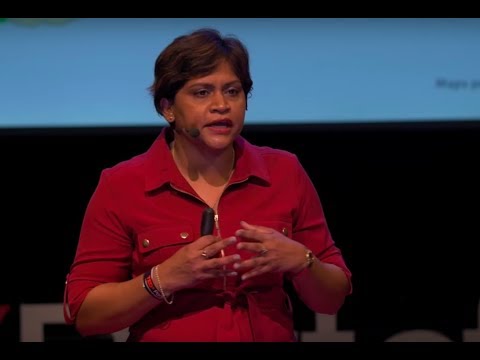
September 2017 the world witness strongest hurricane in the Atlantic
strongest hurricane in the Atlantic
strongest hurricane in the Atlantic hurricane Emma
hurricane Emma
hurricane Emma hurricane Emma left a trail of death and
hurricane Emma left a trail of death and
hurricane Emma left a trail of death and destruction throughout the Caribbean two
destruction throughout the Caribbean two
destruction throughout the Caribbean two weeks later another hurricane a category
weeks later another hurricane a category
weeks later another hurricane a category 5 hurricane Maria hurricane Maria
5 hurricane Maria hurricane Maria
5 hurricane Maria hurricane Maria hampered any sort of recovery after Emma
hampered any sort of recovery after Emma
hampered any sort of recovery after Emma and caused even further death and
and caused even further death and
and caused even further death and destruction I look at the agony on the
destruction I look at the agony on the
destruction I look at the agony on the faces of the people who had lost
faces of the people who had lost
faces of the people who had lost everything during those storms and I
everything during those storms and I
everything during those storms and I asked are we ready for change climate
asked are we ready for change climate
asked are we ready for change climate change
change
change I am Rehanna a wetlands ecologist from
I am Rehanna a wetlands ecologist from
I am Rehanna a wetlands ecologist from Trinidad and Tobago and I want to tell
Trinidad and Tobago and I want to tell
Trinidad and Tobago and I want to tell you a little bit about my experience my
you a little bit about my experience my
you a little bit about my experience my parents were poor but they were good
parents were poor but they were good
parents were poor but they were good providers so we never had to do without
providers so we never had to do without
providers so we never had to do without food shelter and the opportunity to go
food shelter and the opportunity to go
food shelter and the opportunity to go to school I grew up really sheltered in
to school I grew up really sheltered in
to school I grew up really sheltered in my little world that I never realized
my little world that I never realized
my little world that I never realized how other people were struggling to make
how other people were struggling to make
how other people were struggling to make ends meet on a daily basis my dad was a
ends meet on a daily basis my dad was a
ends meet on a daily basis my dad was a vendor the central markets and a taxi
vendor the central markets and a taxi
vendor the central markets and a taxi driver and when I wanted to go to
driver and when I wanted to go to
driver and when I wanted to go to university he funded me after graduation
university he funded me after graduation
university he funded me after graduation I was fortunate to get a job at the
I was fortunate to get a job at the
I was fortunate to get a job at the institute of marine affairs a
institute of marine affairs a
institute of marine affairs a government-funded research institution
government-funded research institution
government-funded research institution here in Trinidad I remember the first
here in Trinidad I remember the first
here in Trinidad I remember the first time I went into the mangrove swamp to
time I went into the mangrove swamp to
time I went into the mangrove swamp to do research and I saw the traps for the
do research and I saw the traps for the
do research and I saw the traps for the crabs and I restarted to release the
crabs and I restarted to release the
crabs and I restarted to release the crop thinking that I was doing something
crop thinking that I was doing something
crop thinking that I was doing something good
good
good I was saving their lives and I
I was saving their lives and I
I was saving their lives and I discovered that the crop that we buy for
discovered that the crop that we buy for
discovered that the crop that we buy for curry crab and dumpling they came from
curry crab and dumpling they came from
curry crab and dumpling they came from the mangroves and not the market one day
the mangroves and not the market one day
the mangroves and not the market one day our board captain saw me releasing these
our board captain saw me releasing these
our board captain saw me releasing these crops from the traps and he asked me mr.
crops from the traps and he asked me mr.
crops from the traps and he asked me mr. onna
onna
onna when you release these crabs what is the
when you release these crabs what is the
when you release these crabs what is the crab project
crab project
crab project going to do and sell so that he could
going to do and sell so that he could
going to do and sell so that he could provide to his family the same kind of
provide to his family the same kind of
provide to his family the same kind of opportunity that your father provided to
opportunity that your father provided to
opportunity that your father provided to you that was an eye-opener for me that
you that was an eye-opener for me that
you that was an eye-opener for me that really was a change in points in my life
really was a change in points in my life
really was a change in points in my life because for the first time I was able to
because for the first time I was able to
because for the first time I was able to see the connection between our
see the connection between our
see the connection between our environment and the services that it
environment and the services that it
environment and the services that it provided to us which included livelihood
provided to us which included livelihood
provided to us which included livelihood opportunity for many the fishes the crab
opportunity for many the fishes the crab
opportunity for many the fishes the crab catchers the oyster man and woman they
catchers the oyster man and woman they
catchers the oyster man and woman they harvest their products from the magu
harvest their products from the magu
harvest their products from the magu mangroves and they bring it to the
mangroves and they bring it to the
mangroves and they bring it to the markets in order to make a living now I
markets in order to make a living now I
markets in order to make a living now I have been doing research on the marine
have been doing research on the marine
have been doing research on the marine environment for the far past 20 years
environment for the far past 20 years
environment for the far past 20 years and have not only learned about
and have not only learned about
and have not only learned about ecosystems and science I’ve learned a
ecosystems and science I’ve learned a
ecosystems and science I’ve learned a lot about people now I have a passion
lot about people now I have a passion
lot about people now I have a passion for mangrove research that people don’t
for mangrove research that people don’t
for mangrove research that people don’t understand so much so that they referred
understand so much so that they referred
understand so much so that they referred to me as the mangrove woman so mangrove
to me as the mangrove woman so mangrove
to me as the mangrove woman so mangrove trees they grow along our coastline in
trees they grow along our coastline in
trees they grow along our coastline in salty water they form complex habitats
salty water they form complex habitats
salty water they form complex habitats but they provide us with numerous
but they provide us with numerous
but they provide us with numerous services these include providing habitat
services these include providing habitat
services these include providing habitat for a variety of species including
for a variety of species including
for a variety of species including commercially important shrimp and
commercially important shrimp and
commercially important shrimp and shellfish bush shellfish and fish
shellfish bush shellfish and fish
shellfish bush shellfish and fish they’re nurseries for juveniles they
they’re nurseries for juveniles they
they’re nurseries for juveniles they helpful to our water they help absorb
helpful to our water they help absorb
helpful to our water they help absorb carbon dioxide but most importantly
carbon dioxide but most importantly
carbon dioxide but most importantly mangroves break up storms by dissipating
mangroves break up storms by dissipating
mangroves break up storms by dissipating wind and wave energy and it protects
wind and wave energy and it protects
wind and wave energy and it protects against coastal erosion now I have been
against coastal erosion now I have been
against coastal erosion now I have been to every mangrove swamp in general and
to every mangrove swamp in general and
to every mangrove swamp in general and Tobago and I have seen how these
Tobago and I have seen how these
Tobago and I have seen how these wetlands have been degraded over time
wetlands have been degraded over time
wetlands have been degraded over time more importantly I have seen the poorest
more importantly I have seen the poorest
more importantly I have seen the poorest people living in and depending on these
people living in and depending on these
people living in and depending on these mangroves for their livelihoods
mangroves for their livelihoods
mangroves for their livelihoods these are the crabcatchers the fishes
these are the crabcatchers the fishes
these are the crabcatchers the fishes the oyster man and
the oyster man and
the oyster man and that live along our coast clearing
that live along our coast clearing
that live along our coast clearing mangrove trees so they can bill sharks
mangrove trees so they can bill sharks
mangrove trees so they can bill sharks they have no amenities electricity
they have no amenities electricity
they have no amenities electricity running water they are the lam laughs
running water they are the lam laughs
running water they are the lam laughs and many times when it’s hired as hide
and many times when it’s hired as hide
and many times when it’s hired as hide their homes are flooded because of where
their homes are flooded because of where
their homes are flooded because of where they live in their daily struggle to
they live in their daily struggle to
they live in their daily struggle to survive I wonder if they even consider
survive I wonder if they even consider
survive I wonder if they even consider how vulnerable they are to change
how vulnerable they are to change
how vulnerable they are to change climate change Burma Jose Maria why
climate change Burma Jose Maria why
climate change Burma Jose Maria why don’t we believe it or not our climatic
don’t we believe it or not our climatic
don’t we believe it or not our climatic conditions are changing climate change
conditions are changing climate change
conditions are changing climate change is not something way off in the future
is not something way off in the future
is not something way off in the future we are seeing the impacts today for
we are seeing the impacts today for
we are seeing the impacts today for instance we are having more intense
instance we are having more intense
instance we are having more intense rainfall the amount of rain that falls
rainfall the amount of rain that falls
rainfall the amount of rain that falls ten minutes today was equivalent to rain
ten minutes today was equivalent to rain
ten minutes today was equivalent to rain that would have felt over an hour 15
that would have felt over an hour 15
that would have felt over an hour 15 years ago and with these intense
years ago and with these intense
years ago and with these intense rainfall we have more flooding and
rainfall we have more flooding and
rainfall we have more flooding and landslides something unities are flooded
landslides something unities are flooded
landslides something unities are flooded on a daily basis especially in the wet
on a daily basis especially in the wet
on a daily basis especially in the wet season our coastlines are eroding and
season our coastlines are eroding and
season our coastlines are eroding and this is going to accelerate with sea
this is going to accelerate with sea
this is going to accelerate with sea level rise and storm surges 70% of our
level rise and storm surges 70% of our
level rise and storm surges 70% of our population live on the course and people
population live on the course and people
population live on the course and people have already started to lose their land
have already started to lose their land
have already started to lose their land to the sea and are very scared for the
to the sea and are very scared for the
to the sea and are very scared for the safety of their house and their families
safety of their house and their families
safety of their house and their families what are there to do if they cannot
what are there to do if they cannot
what are there to do if they cannot afford expensive coastal protection
afford expensive coastal protection
afford expensive coastal protection structures we are also seeing more
structures we are also seeing more
structures we are also seeing more frequent and intense hurricanes and
frequent and intense hurricanes and
frequent and intense hurricanes and hurricane Park is moving further south
hurricane Park is moving further south
hurricane Park is moving further south making us even more vulnerable according
making us even more vulnerable according
making us even more vulnerable according to an inter-american Development Bank
to an inter-american Development Bank
to an inter-american Development Bank study between 2005 and 2015 the number
study between 2005 and 2015 the number
study between 2005 and 2015 the number of climate related natural disasters
of climate related natural disasters
of climate related natural disasters that occurred in Trinidad and Tobago
that occurred in Trinidad and Tobago
that occurred in Trinidad and Tobago increase by five full we had five times
increase by five full we had five times
increase by five full we had five times more disaster in ten years
more disaster in ten years
more disaster in ten years now our mongrel forest is our first line
now our mongrel forest is our first line
now our mongrel forest is our first line of defense against the impacts of
of defense against the impacts of
of defense against the impacts of climate change sea level rise and storm
climate change sea level rise and storm
climate change sea level rise and storm surge but more importantly they break up
surge but more importantly they break up
surge but more importantly they break up storms by dissipating when then we have
storms by dissipating when then we have
storms by dissipating when then we have energy but in Trinidad and Tobago we
energy but in Trinidad and Tobago we
energy but in Trinidad and Tobago we have already lost more than 50% of our
have already lost more than 50% of our
have already lost more than 50% of our mangroves we have converted up to homes
mangroves we have converted up to homes
mangroves we have converted up to homes industry highway text and the city when
industry highway text and the city when
industry highway text and the city when we lose these ecosystem we lose these
we lose these ecosystem we lose these
we lose these ecosystem we lose these services they provide to us such as
services they provide to us such as
services they provide to us such as coastal protection I wonder if we even
coastal protection I wonder if we even
coastal protection I wonder if we even realize how important a little better
realize how important a little better
realize how important a little better mangrove we have remaining or to our
mangrove we have remaining or to our
mangrove we have remaining or to our survival on this island I think as
survival on this island I think as
survival on this island I think as scientists we have failed to effectively
scientists we have failed to effectively
scientists we have failed to effectively communicate the value of our environment
communicate the value of our environment
communicate the value of our environment to the people especially the fact that
to the people especially the fact that
to the people especially the fact that we need to conserve it so that it can
we need to conserve it so that it can
we need to conserve it so that it can continue to protect us against the
continue to protect us against the
continue to protect us against the impacts of climate change and providers
impacts of climate change and providers
impacts of climate change and providers with livelihood opportunities climate
with livelihood opportunities climate
with livelihood opportunities climate change is our new reality and we cannot
change is our new reality and we cannot
change is our new reality and we cannot stop the changes and although we cannot
stop the changes and although we cannot
stop the changes and although we cannot say with certainty when and how intense
say with certainty when and how intense
say with certainty when and how intense they are going to be we have to adapt
they are going to be we have to adapt
they are going to be we have to adapt and become resilient resilience is our
and become resilient resilience is our
and become resilient resilience is our ability to recover after a natural
ability to recover after a natural
ability to recover after a natural disaster or extreme event to build
disaster or extreme event to build
disaster or extreme event to build resilience we must first understand our
resilience we must first understand our
resilience we must first understand our problem once we understand our
problem once we understand our
problem once we understand our vulnerability then we can act look at
vulnerability then we can act look at
vulnerability then we can act look at innovative solution
innovative solution
innovative solution or even at best practices that other
or even at best practices that other
or even at best practices that other societies around the world are putting
societies around the world are putting
societies around the world are putting in place to help lessen the impact of
in place to help lessen the impact of
in place to help lessen the impact of climate change we must change our
climate change we must change our
climate change we must change our behavior and stop being so complacent
behavior and stop being so complacent
behavior and stop being so complacent azide has done their selling author said
azide has done their selling author said
azide has done their selling author said the big problem is that we think that we
the big problem is that we think that we
the big problem is that we think that we can solve complex problems by changing
can solve complex problems by changing
can solve complex problems by changing everything but ourselves we need to
everything but ourselves we need to
everything but ourselves we need to change ourselves because we have a
change ourselves because we have a
change ourselves because we have a responsibility to protect our families
responsibility to protect our families
responsibility to protect our families especially in these uncertain times we
especially in these uncertain times we
especially in these uncertain times we need to arm ourselves with knowledge so
need to arm ourselves with knowledge so
need to arm ourselves with knowledge so that we can make informed decisions
that we can make informed decisions
that we can make informed decisions about where and how we live
about where and how we live
about where and how we live not on riverbanks on the sandy shore
not on riverbanks on the sandy shore
not on riverbanks on the sandy shore where we expose our loved ones to the
where we expose our loved ones to the
where we expose our loved ones to the elements if we live in land that is
elements if we live in land that is
elements if we live in land that is prone to flooding then we need to build
prone to flooding then we need to build
prone to flooding then we need to build on stilts and we need to stop blocking
on stilts and we need to stop blocking
on stilts and we need to stop blocking our water courses and our river mouths
our water courses and our river mouths
our water courses and our river mouths for people who already live in low-lying
for people who already live in low-lying
for people who already live in low-lying area when you’re here for a cane woman
area when you’re here for a cane woman
area when you’re here for a cane woman to plan a party move your family to
to plan a party move your family to
to plan a party move your family to safer grounds by relatives or in a
safer grounds by relatives or in a
safer grounds by relatives or in a shelter listen to what the authorities
shelter listen to what the authorities
shelter listen to what the authorities are saying during these periods it can
are saying during these periods it can
are saying during these periods it can save life more importantly we need to
save life more importantly we need to
save life more importantly we need to stop the degradation of our natural
stop the degradation of our natural
stop the degradation of our natural environment like our mangroves we need
environment like our mangroves we need
environment like our mangroves we need to stop clearing them and putting our
to stop clearing them and putting our
to stop clearing them and putting our pollution in it when we litter and our
pollution in it when we litter and our
pollution in it when we litter and our rivers and our beaches till it ends up
rivers and our beaches till it ends up
rivers and our beaches till it ends up in our mangroves and it causes
in our mangroves and it causes
in our mangroves and it causes degradation healthy mangrove help reduce
degradation healthy mangrove help reduce
degradation healthy mangrove help reduce risk against natural disasters we need
risk against natural disasters we need
risk against natural disasters we need to come together civil society the
to come together civil society the
to come together civil society the government private sector
government private sector
government private sector to help protect our mangrove and we’re
to help protect our mangrove and we’re
to help protect our mangrove and we’re necessarily rehabilitate them all around
necessarily rehabilitate them all around
necessarily rehabilitate them all around the world people have understood the
the world people have understood the
the world people have understood the value of the mangrove especially with
value of the mangrove especially with
value of the mangrove especially with regards to protect him the shoreline and
regards to protect him the shoreline and
regards to protect him the shoreline and providing protection for their property
providing protection for their property
providing protection for their property and there are many initiative to do
and there are many initiative to do
and there are many initiative to do replanting projects they even call it a
replanting projects they even call it a
replanting projects they even call it a fancy name is now green infrastructure
fancy name is now green infrastructure
fancy name is now green infrastructure we need to put in some green
we need to put in some green
we need to put in some green infrastructure we also need to help the
infrastructure we also need to help the
infrastructure we also need to help the most vulnerable in our society there’s
most vulnerable in our society there’s
most vulnerable in our society there’s our fishes our oyster vendors our crop
our fishes our oyster vendors our crop
our fishes our oyster vendors our crop harvesters we need to teach them new
harvesters we need to teach them new
harvesters we need to teach them new ways to harvest their produce without
ways to harvest their produce without
ways to harvest their produce without destroying the mangrove we need to teach
destroying the mangrove we need to teach
destroying the mangrove we need to teach them new skills or new techniques for
them new skills or new techniques for
them new skills or new techniques for instance Maori culture where they can
instance Maori culture where they can
instance Maori culture where they can grow them in ponds that way they can
grow them in ponds that way they can
grow them in ponds that way they can continue to ply their trade without
continue to ply their trade without
continue to ply their trade without causing further destruction in some
causing further destruction in some
causing further destruction in some areas as I mentioned we need to teach
areas as I mentioned we need to teach
areas as I mentioned we need to teach them very new skills to be taught
them very new skills to be taught
them very new skills to be taught Pareto’s entrepreneurs farmers and even
Pareto’s entrepreneurs farmers and even
Pareto’s entrepreneurs farmers and even new things like how to produce honey in
new things like how to produce honey in
new things like how to produce honey in the mangrove I’ve seen that being done
the mangrove I’ve seen that being done
the mangrove I’ve seen that being done in Vienna and it’s a really good honey
in Vienna and it’s a really good honey
in Vienna and it’s a really good honey by the way we need to teach them how to
by the way we need to teach them how to
by the way we need to teach them how to be more resilient now the accelerated
be more resilient now the accelerated
be more resilient now the accelerated changes in our climate that we are
changes in our climate that we are
changes in our climate that we are experiencing is all human induced and we
experiencing is all human induced and we
experiencing is all human induced and we all have contributed in one way or the
all have contributed in one way or the
all have contributed in one way or the other and although we may feel hopeless
other and although we may feel hopeless
other and although we may feel hopeless because even if we reduce our carbon
because even if we reduce our carbon
because even if we reduce our carbon emissions today the concentration
emissions today the concentration
emissions today the concentration concentrations that are already in our
concentrations that are already in our
concentrations that are already in our atmosphere are going to cause impact we
atmosphere are going to cause impact we
atmosphere are going to cause impact we need to still think of our future if we
need to still think of our future if we
need to still think of our future if we continue with a business-as-usual
continue with a business-as-usual
continue with a business-as-usual attitude and don’t try to curb our
attitude and don’t try to curb our
attitude and don’t try to curb our pollution and our degradation our future
pollution and our degradation our future
pollution and our degradation our future would even be more catastrophic more ice
would even be more catastrophic more ice
would even be more catastrophic more ice caps are going to melt sea levels are
caps are going to melt sea levels are
caps are going to melt sea levels are going to rise higher and islands like
going to rise higher and islands like
going to rise higher and islands like ours could become fully submerge
ours could become fully submerge
ours could become fully submerge is that the future we want to leave for
is that the future we want to leave for
is that the future we want to leave for our children grandchildren and
our children grandchildren and
our children grandchildren and generations to come
generations to come
generations to come I certainly don’t want to be a climate
I certainly don’t want to be a climate
I certainly don’t want to be a climate change refugee if we want to continue
change refugee if we want to continue
change refugee if we want to continue our way of life living on the islands we
our way of life living on the islands we
our way of life living on the islands we need to act now we need to take action
need to act now we need to take action
need to act now we need to take action to help stop the degradation of our
to help stop the degradation of our
to help stop the degradation of our environment we need to protect our
environment we need to protect our
environment we need to protect our mangroves so that they can continue to
mangroves so that they can continue to
mangroves so that they can continue to protect us from the impacts of climate
protect us from the impacts of climate
protect us from the impacts of climate change and provide livelihood
change and provide livelihood
change and provide livelihood opportunities for the very poor and
opportunities for the very poor and
opportunities for the very poor and vulnerable we need to prepare for change
vulnerable we need to prepare for change
vulnerable we need to prepare for change climate change because when it becomes
climate change because when it becomes
climate change because when it becomes urgent it will be already too late
urgent it will be already too late
urgent it will be already too late thank you
thank you
thank you [Applause]
”
Be First to Comment