
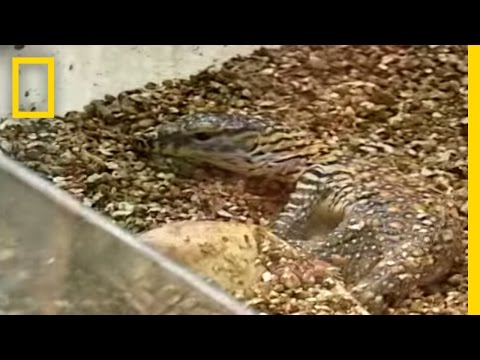
something special is happening at the Denver Zoo after eight months in an
Denver Zoo after eight months in an
Denver Zoo after eight months in an incubator eggs are hatching and these
incubator eggs are hatching and these
incubator eggs are hatching and these rare baby Komodo dragons are getting
rare baby Komodo dragons are getting
rare baby Komodo dragons are getting their first glimpse of the world
working with an animal like this that
working with an animal like this that has very rarely been bred in captivity
has very rarely been bred in captivity
has very rarely been bred in captivity and so little is known about them that
and so little is known about them that
and so little is known about them that everything that we do is such a learning
everything that we do is such a learning
everything that we do is such a learning process that makes it very exciting for
process that makes it very exciting for
process that makes it very exciting for us Komodo dragons are notoriously
us Komodo dragons are notoriously
us Komodo dragons are notoriously difficult to breed in captivity catching
difficult to breed in captivity catching
difficult to breed in captivity catching these rare reptiles takes time and
these rare reptiles takes time and
these rare reptiles takes time and patience it’s hard to believe but when
patience it’s hard to believe but when
patience it’s hard to believe but when fully grown these tiny baby dragons turn
fully grown these tiny baby dragons turn
fully grown these tiny baby dragons turn into adult Komodos that weigh more than
into adult Komodos that weigh more than
into adult Komodos that weigh more than 150 pounds and can live for over thirty
150 pounds and can live for over thirty
150 pounds and can live for over thirty years there may be fewer than 5,000 of
years there may be fewer than 5,000 of
years there may be fewer than 5,000 of these ancient creatures in the wild
these ancient creatures in the wild
these ancient creatures in the wild living on small islands in Indonesia
living on small islands in Indonesia
living on small islands in Indonesia with small populations like the Komodo
with small populations like the Komodo
with small populations like the Komodo dragon it’s important for us to learn as
dragon it’s important for us to learn as
dragon it’s important for us to learn as much as we can about not only keeping
much as we can about not only keeping
much as we can about not only keeping them alive but reproducing them and
them alive but reproducing them and
them alive but reproducing them and raising the end by keeping animals in
raising the end by keeping animals in
raising the end by keeping animals in breeding them we learned a lot that a
breeding them we learned a lot that a
breeding them we learned a lot that a lot of times you can’t learn from field
lot of times you can’t learn from field
lot of times you can’t learn from field biology while staff checked the
biology while staff checked the
biology while staff checked the incubators for new hatchlings the adult
incubators for new hatchlings the adult
incubators for new hatchlings the adult Dragons are examined closely by their
Dragons are examined closely by their
Dragons are examined closely by their handlers this is caster the dragon
handlers this is caster the dragon
handlers this is caster the dragon he’s a very curious dragon just very
he’s a very curious dragon just very
he’s a very curious dragon just very friendly as you can see he likes to be
friendly as you can see he likes to be
friendly as you can see he likes to be pet he’ll shut his eyes when I rub him
pet he’ll shut his eyes when I rub him
pet he’ll shut his eyes when I rub him near the head the captive Komodo seem
near the head the captive Komodo seem
near the head the captive Komodo seem gentle but handlers know better adult
gentle but handlers know better adult
gentle but handlers know better adult dragons have a nasty bite she’s wild
dragons have a nasty bite she’s wild
dragons have a nasty bite she’s wild Komodos will eat just about anything
Komodos will eat just about anything
Komodos will eat just about anything these zoo dragons feast on a diet
these zoo dragons feast on a diet
these zoo dragons feast on a diet consisting of fish and rats the baby
consisting of fish and rats the baby
consisting of fish and rats the baby Komodos will live in a nursery for now
Komodos will live in a nursery for now
Komodos will live in a nursery for now and move to a much larger exhibit as
and move to a much larger exhibit as
and move to a much larger exhibit as they grow any time we’ve raised babies
they grow any time we’ve raised babies
they grow any time we’ve raised babies from almost this size to adulthood to
from almost this size to adulthood to
from almost this size to adulthood to the point where they’re breeding means
the point where they’re breeding means
the point where they’re breeding means to us that we’re doing a good job these
to us that we’re doing a good job these
to us that we’re doing a good job these baby dragons are a small miracle and
baby dragons are a small miracle and
baby dragons are a small miracle and proof that some creatures truly are born
proof that some creatures truly are born
proof that some creatures truly are born to be wild
”
Be First to Comment