
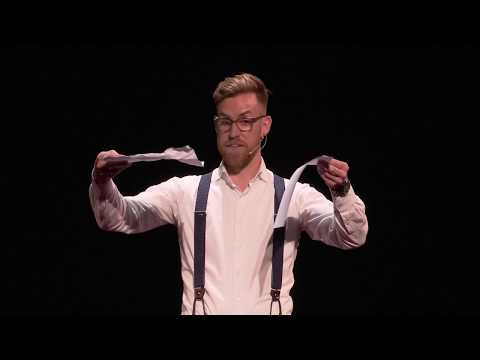
so what have I just done apparently I crumpled this piece of
apparently I crumpled this piece of
apparently I crumpled this piece of paper and tried to straighten it again
paper and tried to straighten it again
paper and tried to straighten it again but if you would ask the people in my
but if you would ask the people in my
but if you would ask the people in my research group they would say you’ve
research group they would say you’ve
research group they would say you’ve just changed the properties of this
just changed the properties of this
just changed the properties of this paper by giving it a structure now here
paper by giving it a structure now here
paper by giving it a structure now here are you thinking what a nerds but they
are you thinking what a nerds but they
are you thinking what a nerds but they are they are so right because if we
are they are so right because if we
are they are so right because if we compare this to the original piece of
compare this to the original piece of
compare this to the original piece of paper it actually bends under its own
paper it actually bends under its own
paper it actually bends under its own weight but you can already see here that
weight but you can already see here that
weight but you can already see here that this crumpled piece of paper destructed
this crumpled piece of paper destructed
this crumpled piece of paper destructed paper doesn’t now nature actually plays
paper doesn’t now nature actually plays
paper doesn’t now nature actually plays the same trick with structure and so in
the same trick with structure and so in
the same trick with structure and so in nature what we friend to see is a
nature what we friend to see is a
nature what we friend to see is a structure that material that’s called
structure that material that’s called
structure that material that’s called bamboo and this bamboo is made from
bamboo and this bamboo is made from
bamboo and this bamboo is made from cellulose the cellulose is arranged in
cellulose the cellulose is arranged in
cellulose the cellulose is arranged in fibers and if you look at the
fibers and if you look at the
fibers and if you look at the cross-section of bamboo you actually see
cross-section of bamboo you actually see
cross-section of bamboo you actually see a lot of small holes that are have the
a lot of small holes that are have the
a lot of small holes that are have the thickness of the size of a human hair
thickness of the size of a human hair
thickness of the size of a human hair and so this structure actually makes the
and so this structure actually makes the
and so this structure actually makes the bamboo light but also very stiff and
bamboo light but also very stiff and
bamboo light but also very stiff and that’s why it can grow high into the sky
that’s why it can grow high into the sky
that’s why it can grow high into the sky now in my research group we actually try
now in my research group we actually try
now in my research group we actually try to do the same things with materials and
to do the same things with materials and
to do the same things with materials and structure but now we try to make
structure but now we try to make
structure but now we try to make materials that have properties that
materials that have properties that
materials that have properties that don’t exist yet in nature now this is
don’t exist yet in nature now this is
don’t exist yet in nature now this is not an example of such material this is
not an example of such material this is
not an example of such material this is just a normal piece of rubber and if we
just a normal piece of rubber and if we
just a normal piece of rubber and if we compress this rubber we horizontally
compress this rubber we horizontally
compress this rubber we horizontally compress it you actually see that the
compress it you actually see that the
compress it you actually see that the walls are expanding outside and this is
walls are expanding outside and this is
walls are expanding outside and this is typical typical typical for most of the
typical typical typical for most of the
typical typical typical for most of the materials we have in nature where we can
materials we have in nature where we can
materials we have in nature where we can play a trick here with structure and we
play a trick here with structure and we
play a trick here with structure and we remove half of the material by just
remove half of the material by just
remove half of the material by just making simple holes and now when we
making simple holes and now when we
making simple holes and now when we compress it something interesting
compress it something interesting
compress it something interesting happens
happens
happens so at some point you suddenly see a
so at some point you suddenly see a
so at some point you suddenly see a pattern transformation and you can see
pattern transformation and you can see
pattern transformation and you can see now that the walls are going inward now
now that the walls are going inward now
now that the walls are going inward now we can take this this piece of material
we can take this this piece of material
we can take this this piece of material this is very this is this piece of
this is very this is this piece of
this is very this is this piece of rubber is still very big but now imagine
rubber is still very big but now imagine
rubber is still very big but now imagine that we make this at the same size of
that we make this at the same size of
that we make this at the same size of what we see in the bamboo then we really
what we see in the bamboo then we really
what we see in the bamboo then we really start to create new materials by
start to create new materials by
start to create new materials by designing their microstructure now an
designing their microstructure now an
designing their microstructure now an important question here is how actually
important question here is how actually
important question here is how actually do you design these materials where do
do you design these materials where do
do you design these materials where do you start what do you want to make and
you start what do you want to make and
you start what do you want to make and we’re really trying to explore the space
we’re really trying to explore the space
we’re really trying to explore the space of possibilities so here we use circular
of possibilities so here we use circular
of possibilities so here we use circular holes but what if you use triangular or
holes but what if you use triangular or
holes but what if you use triangular or square holes and what about the pattern
square holes and what about the pattern
square holes and what about the pattern you apply them in and maybe you can even
you apply them in and maybe you can even
you apply them in and maybe you can even think about three dimensions so the
think about three dimensions so the
think about three dimensions so the question here is where actually do we
question here is where actually do we
question here is where actually do we start this research and how where do we
start this research and how where do we
start this research and how where do we start to think about this now actually
start to think about this now actually
start to think about this now actually origami is a big inspiration for us
origami is a big inspiration for us
origami is a big inspiration for us because origami artists have played with
because origami artists have played with
because origami artists have played with structure already for centuries so what
structure already for centuries so what
structure already for centuries so what you see here are a few geometries that
you see here are a few geometries that
you see here are a few geometries that were made by taking pieces of paper
were made by taking pieces of paper
were made by taking pieces of paper ribbon folding it at certain locations
ribbon folding it at certain locations
ribbon folding it at certain locations and actually assembling it together they
and actually assembling it together they
and actually assembling it together they snap together and this technique is
snap together and this technique is
snap together and this technique is called the apology in origami but
called the apology in origami but
called the apology in origami but something happens when you start playing
something happens when you start playing
something happens when you start playing with them when you start to feel them
with them when you start to feel them
with them when you start to feel them and if you look at the orange model you
and if you look at the orange model you
and if you look at the orange model you actually see that this piece is very
actually see that this piece is very
actually see that this piece is very stiff but if you look at the blue model
stiff but if you look at the blue model
stiff but if you look at the blue model here it’s very flexible and this just
here it’s very flexible and this just
here it’s very flexible and this just comes out of the fact that we arrange
comes out of the fact that we arrange
comes out of the fact that we arrange the paper strips in a slightly different
the paper strips in a slightly different
the paper strips in a slightly different way now what I mentioned we play with
way now what I mentioned we play with
way now what I mentioned we play with this and this is actually a essential
this and this is actually a essential
this and this is actually a essential part in our research group we actually
part in our research group we actually
part in our research group we actually want to build things like these origami
want to build things like these origami
want to build things like these origami models and we want to get a feeling for
models and we want to get a feeling for
models and we want to get a feeling for them play with them to really understand
them play with them to really understand
them play with them to really understand how they behave and so when someone’s
how they behave and so when someone’s
how they behave and so when someone’s coming to my group for an interview for
coming to my group for an interview for
coming to my group for an interview for a position I always find arts and crafts
a position I always find arts and crafts
a position I always find arts and crafts skills very important so of course we
skills very important so of course we
skills very important so of course we have these paper models we have these
have these paper models we have these
have these paper models we have these building blocks and now the next step
building blocks and now the next step
building blocks and now the next step for us is to try to understand how they
for us is to try to understand how they
for us is to try to understand how they behave in how we can make them
behave in how we can make them
behave in how we can make them so here we start actually for
so here we start actually for
so here we start actually for mathematical objects called polyhedra
mathematical objects called polyhedra
mathematical objects called polyhedra and we can do a trick there where we
and we can do a trick there where we
and we can do a trick there where we start extruding the faces and so through
start extruding the faces and so through
start extruding the faces and so through this technique we can make these thin
this technique we can make these thin
this technique we can make these thin walled structures and so we have now a
walled structures and so we have now a
walled structures and so we have now a few building blocks and a big question
few building blocks and a big question
few building blocks and a big question now is how are we going to assemble
now is how are we going to assemble
now is how are we going to assemble these building blocks together how are
these building blocks together how are
these building blocks together how are we going to use these building blocks to
we going to use these building blocks to
we going to use these building blocks to create a new type of material a new type
create a new type of material a new type
create a new type of material a new type of structured material all right so with
of structured material all right so with
of structured material all right so with a bit of math I’m gonna skip this slide
a bit of math I’m gonna skip this slide
a bit of math I’m gonna skip this slide quickly all right we determine we can
quickly all right we determine we can
quickly all right we determine we can write a computer simulation and we
write a computer simulation and we
write a computer simulation and we determine how we can put this protégés
determine how we can put this protégés
determine how we can put this protégés together and we then take the next the
together and we then take the next the
together and we then take the next the same step as before we pull this
same step as before we pull this
same step as before we pull this polyhedra apart and we actually extrude
polyhedra apart and we actually extrude
polyhedra apart and we actually extrude their faces to create a new type of
their faces to create a new type of
their faces to create a new type of structure for this material so you can
structure for this material so you can
structure for this material so you can imagine now that this is one combination
imagine now that this is one combination
imagine now that this is one combination of polyhedra that lead to a structured
of polyhedra that lead to a structured
of polyhedra that lead to a structured material but there are many more
material but there are many more
material but there are many more combinations that we can make this way
combinations that we can make this way
combinations that we can make this way and our computer simulation
and our computer simulation
and our computer simulation actually does the trick for us now of
actually does the trick for us now of
actually does the trick for us now of course everything is nice when you can
course everything is nice when you can
course everything is nice when you can make a computer simulation but we also
make a computer simulation but we also
make a computer simulation but we also again want to experience this play this
again want to experience this play this
again want to experience this play this is this experiments it’s feeling so do
is this experiments it’s feeling so do
is this experiments it’s feeling so do the materials behave the way they were
the materials behave the way they were
the materials behave the way they were supposed to when we actually make them
supposed to when we actually make them
supposed to when we actually make them in experiments and we use simple tricks
in experiments and we use simple tricks
in experiments and we use simple tricks here like cardboard and double-sided
here like cardboard and double-sided
here like cardboard and double-sided tape to actually make the structures and
tape to actually make the structures and
tape to actually make the structures and so here we wanted to make a material
so here we wanted to make a material
so here we wanted to make a material that’s actually flexible like the blue
that’s actually flexible like the blue
that’s actually flexible like the blue cube I showed you before and so now we
cube I showed you before and so now we
cube I showed you before and so now we can actually deform this material and
can actually deform this material and
can actually deform this material and there’s actually exactly one way we can
there’s actually exactly one way we can
there’s actually exactly one way we can change the structure of this of this
change the structure of this of this
change the structure of this of this material and as I mentioned we now have
material and as I mentioned we now have
material and as I mentioned we now have a computer simulation so it pops out a
a computer simulation so it pops out a
a computer simulation so it pops out a lot of different combinations like this
lot of different combinations like this
lot of different combinations like this one which is similar to before it can
one which is similar to before it can
one which is similar to before it can fold in one way but actually much more
fold in one way but actually much more
fold in one way but actually much more compact under than the previous one all
compact under than the previous one all
compact under than the previous one all right well maybe now actually we can go
right well maybe now actually we can go
right well maybe now actually we can go to this sample you see over here and I
to this sample you see over here and I
to this sample you see over here and I want to do a small experiment with you a
want to do a small experiment with you a
want to do a small experiment with you a very intelligent intelligent experiment
very intelligent intelligent experiment
very intelligent intelligent experiment and so this structure is interesting
and so this structure is interesting
and so this structure is interesting because it can it can exhibit actually
because it can it can exhibit actually
because it can it can exhibit actually fold in a few different
fold in a few different
fold in a few different ways and so I’m gonna walk here upstage
ways and so I’m gonna walk here upstage
ways and so I’m gonna walk here upstage and actually this material can fold
and actually this material can fold
and actually this material can fold completely flat so we combine a few of
completely flat so we combine a few of
completely flat so we combine a few of these flexibility so it can fold
these flexibility so it can fold
these flexibility so it can fold completely flat right and reduces in
completely flat right and reduces in
completely flat right and reduces in volume 100 time and I went in it’s flat
volume 100 time and I went in it’s flat
volume 100 time and I went in it’s flat set is actually very strong so actually
set is actually very strong so actually
set is actually very strong so actually maybe you already guess what I’m going
maybe you already guess what I’m going
maybe you already guess what I’m going to do we can just stand on it right and
to do we can just stand on it right and
to do we can just stand on it right and now importantly someone worked a student
now importantly someone worked a student
now importantly someone worked a student worked three weeks to make this sample
worked three weeks to make this sample
worked three weeks to make this sample so all right and now it just pops back
so all right and now it just pops back
so all right and now it just pops back to its original state
to its original state
to its original state right so this structure actually
right so this structure actually
right so this structure actually represents a new type of material that
represents a new type of material that
represents a new type of material that can fold and go completely flat and
can fold and go completely flat and
can fold and go completely flat and change its volume a hundred of a hundred
change its volume a hundred of a hundred
change its volume a hundred of a hundred times a hundredfold and so maybe already
times a hundredfold and so maybe already
times a hundredfold and so maybe already get some ideas about possible
get some ideas about possible
get some ideas about possible applications where we can apply these
applications where we can apply these
applications where we can apply these these materials and I also have a few
these materials and I also have a few
these materials and I also have a few ideas and so for example if we take this
ideas and so for example if we take this
ideas and so for example if we take this material and shape it into a tube this
material and shape it into a tube this
material and shape it into a tube this tube can fold completely flat as we
tube can fold completely flat as we
tube can fold completely flat as we could maybe use this as a stent which is
could maybe use this as a stent which is
could maybe use this as a stent which is already a device used in the medical
already a device used in the medical
already a device used in the medical device that it can actually be brought
device that it can actually be brought
device that it can actually be brought into our arteries and wherever we want
into our arteries and wherever we want
into our arteries and wherever we want to improve our blood flow we can
to improve our blood flow we can
to improve our blood flow we can actually expand this stent so maybe we
actually expand this stent so maybe we
actually expand this stent so maybe we can use this with this material for that
can use this with this material for that
can use this with this material for that on a slightly larger scale we might be
on a slightly larger scale we might be
on a slightly larger scale we might be able to make completely deformable
able to make completely deformable
able to make completely deformable furniture right so hopefully we can
furniture right so hopefully we can
furniture right so hopefully we can finally make chairs that no longer break
finally make chairs that no longer break
finally make chairs that no longer break this foldable chairs but we can even go
this foldable chairs but we can even go
this foldable chairs but we can even go bigger we can even think about the
bigger we can even think about the
bigger we can even think about the architecture scale so here you see an
architecture scale so here you see an
architecture scale so here you see an exhibit where I collaborated with an
exhibit where I collaborated with an
exhibit where I collaborated with an architect Chuck Hoberman to see how big
architect Chuck Hoberman to see how big
architect Chuck Hoberman to see how big we can make these structures and these
we can make these structures and these
we can make these structures and these are actually four meters high and you
are actually four meters high and you
are actually four meters high and you can still deform them by hand and maybe
can still deform them by hand and maybe
can still deform them by hand and maybe here you see the possibility of starting
here you see the possibility of starting
here you see the possibility of starting to make deployable houses for disaster
to make deployable houses for disaster
to make deployable houses for disaster relief or maybe having structures that
relief or maybe having structures that
relief or maybe having structures that we can bring into space with us because
we can bring into space with us because
we can bring into space with us because they can collapse completely and so I
they can collapse completely and so I
they can collapse completely and so I talked a lot about materials but all you
talked a lot about materials but all you
talked a lot about materials but all you see here is
see here is
see here is basically a prototype of something that
basically a prototype of something that
basically a prototype of something that could become eventually a material we
could become eventually a material we
could become eventually a material we really work on the design aspect we try
really work on the design aspect we try
really work on the design aspect we try to understand how we can design it and
to understand how we can design it and
to understand how we can design it and how we can make new materials but one
how we can make new materials but one
how we can make new materials but one thing we recently started recently
thing we recently started recently
thing we recently started recently started is to explore how we can
started is to explore how we can
started is to explore how we can actually build these samples on a much
actually build these samples on a much
actually build these samples on a much smaller scale so here we actually use a
smaller scale so here we actually use a
smaller scale so here we actually use a 3d printing technique where we at the at
3d printing technique where we at the at
3d printing technique where we at the at the micro scale where we were able to
the micro scale where we were able to
the micro scale where we were able to create these structures and this is this
create these structures and this is this
create these structures and this is this result is just a month old and so just
result is just a month old and so just
result is just a month old and so just for for an idea about scale on the right
for for an idea about scale on the right
for for an idea about scale on the right you see the thickness of a human hair so
you see the thickness of a human hair so
you see the thickness of a human hair so really by using these 3d printing
really by using these 3d printing
really by using these 3d printing techniques you can go much smaller
techniques you can go much smaller
techniques you can go much smaller another thing we’re working on is
another thing we’re working on is
another thing we’re working on is actually trying to make these materials
actually trying to make these materials
actually trying to make these materials smarter so here you see a structure that
smarter so here you see a structure that
smarter so here you see a structure that can be controlled not by our hands but
can be controlled not by our hands but
can be controlled not by our hands but actually by embedding balloons that we
actually by embedding balloons that we
actually by embedding balloons that we can inflate from a distance and so we
can inflate from a distance and so we
can inflate from a distance and so we can apply the same technique as before
can apply the same technique as before
can apply the same technique as before so we can apply this parametric drive
so we can apply this parametric drive
so we can apply this parametric drive also to these larger structures so to
also to these larger structures so to
also to these larger structures so to let’s say we can apply this to the
let’s say we can apply this to the
let’s say we can apply this to the structured material and really create
structured material and really create
structured material and really create materials that can autonomously adapt to
materials that can autonomously adapt to
materials that can autonomously adapt to their environment or at least that’s
their environment or at least that’s
their environment or at least that’s what we strive to do and so imagine a
what we strive to do and so imagine a
what we strive to do and so imagine a house where the walls will start to open
house where the walls will start to open
house where the walls will start to open up on a hot day to let in cool air or
up on a hot day to let in cool air or
up on a hot day to let in cool air or maybe a roof that closes when it starts
maybe a roof that closes when it starts
maybe a roof that closes when it starts to rain or maybe we can even think about
to rain or maybe we can even think about
to rain or maybe we can even think about our own muscles and so replace these
our own muscles and so replace these
our own muscles and so replace these sort of smart material so replace our
sort of smart material so replace our
sort of smart material so replace our muscles with these smart materials or
muscles with these smart materials or
muscles with these smart materials or maybe even a complete heart maybe we can
maybe even a complete heart maybe we can
maybe even a complete heart maybe we can make a completely artificial heart and
so through play and through experiments
so through play and through experiments my group will continue building the
my group will continue building the
my group will continue building the materials of the future so I invite you
materials of the future so I invite you
materials of the future so I invite you all to keep on playing
all to keep on playing
all to keep on playing [Applause]
”
Be First to Comment