
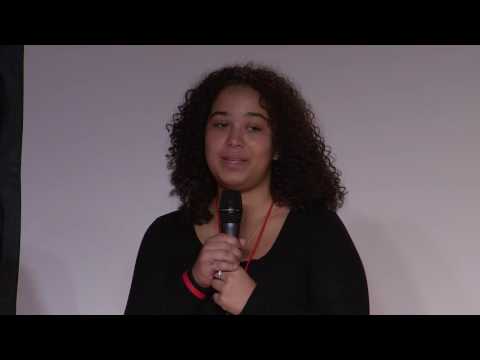
so nice thank you everyone for the great welcome and first I want to ask you one
welcome and first I want to ask you one
welcome and first I want to ask you one of the most important questions which is
of the most important questions which is
of the most important questions which is what first drew to become this
what first drew to become this
what first drew to become this parasitologist or what first drew you
parasitologist or what first drew you
parasitologist or what first drew you into this field of science I think a lot
into this field of science I think a lot
into this field of science I think a lot of us who are doing science nowadays are
of us who are doing science nowadays are
of us who are doing science nowadays are really inspired by the curiosity of
really inspired by the curiosity of
really inspired by the curiosity of understanding the world in different
understanding the world in different
understanding the world in different ways I think many of you share that
ways I think many of you share that
ways I think many of you share that curiosity and the way we do that is sort
curiosity and the way we do that is sort
curiosity and the way we do that is sort of through different perspectives either
of through different perspectives either
of through different perspectives either through being a physicist or
through being a physicist or
through being a physicist or mathematician in my case it was through
mathematician in my case it was through
mathematician in my case it was through understanding how biological processes
understanding how biological processes
understanding how biological processes can be reduced to sort of chemical
can be reduced to sort of chemical
can be reduced to sort of chemical reactions and interactions between genes
reactions and interactions between genes
reactions and interactions between genes and molecules and all of these different
and molecules and all of these different
and molecules and all of these different kind of jargon that they might seem a
kind of jargon that they might seem a
kind of jargon that they might seem a little bit daunting but it’s essentially
little bit daunting but it’s essentially
little bit daunting but it’s essentially the reduction of biological complexity
the reduction of biological complexity
the reduction of biological complexity something like an infection to its most
something like an infection to its most
something like an infection to its most constituent parts and how we can use
constituent parts and how we can use
constituent parts and how we can use that knowledge to develop new medicines
that knowledge to develop new medicines
that knowledge to develop new medicines or simply understand the process I think
or simply understand the process I think
or simply understand the process I think that is the way that I kind of think
that is the way that I kind of think
that is the way that I kind of think about the work we do and so with your
about the work we do and so with your
about the work we do and so with your research what have you been working on
research what have you been working on
research what have you been working on what do you do in your daily day-to-day
what do you do in your daily day-to-day
what do you do in your daily day-to-day routine as a parasitologist so I said
routine as a parasitologist so I said
routine as a parasitologist so I said parasitologist and I think that
parasitologist and I think that
parasitologist and I think that biologists foremost we try to bring
biologists foremost we try to bring
biologists foremost we try to bring together a whole group of people it’s a
together a whole group of people it’s a
together a whole group of people it’s a very multidisciplinary approach and we
very multidisciplinary approach and we
very multidisciplinary approach and we need all sorts of different technologies
need all sorts of different technologies
need all sorts of different technologies to probe that biology that I was
to probe that biology that I was
to probe that biology that I was describing so my day is typically a
describing so my day is typically a
describing so my day is typically a organizing different aspects of the lab
organizing different aspects of the lab
organizing different aspects of the lab different members of the lab trying to
different members of the lab trying to
different members of the lab trying to troubleshoot their different experiments
troubleshoot their different experiments
troubleshoot their different experiments and to reduce some of those really kind
and to reduce some of those really kind
and to reduce some of those really kind of visionary questions of how can we
of visionary questions of how can we
of visionary questions of how can we understand how this disease is changing
understand how this disease is changing
understand how this disease is changing humanity break it down into pieces that
humanity break it down into pieces that
humanity break it down into pieces that are more tractable and that we can
are more tractable and that we can
are more tractable and that we can actually solve one at a time I think
actually solve one at a time I think
actually solve one at a time I think that is what I find really fascinating
that is what I find really fascinating
that is what I find really fascinating and working with different people in the
and working with different people in the
and working with different people in the lab to put together
lab to put together
lab to put together that sort of work is what consumes most
that sort of work is what consumes most
that sort of work is what consumes most of my days and I feel like that theme of
of my days and I feel like that theme of
of my days and I feel like that theme of taking small steps or cheese and greater
taking small steps or cheese and greater
taking small steps or cheese and greater is really prevalent in our society and I
is really prevalent in our society and I
is really prevalent in our society and I feel like this sort of field of science
feel like this sort of field of science
feel like this sort of field of science isn’t necessarily the most well-known
isn’t necessarily the most well-known
isn’t necessarily the most well-known it’s not like nuclear chemistry or like
it’s not like nuclear chemistry or like
it’s not like nuclear chemistry or like physics or basic biology if we look at
physics or basic biology if we look at
physics or basic biology if we look at that but why is it important for us as
that but why is it important for us as
that but why is it important for us as the u.s. who’s not necessarily affected
the u.s. who’s not necessarily affected
the u.s. who’s not necessarily affected by parasites or other things like that
by parasites or other things like that
by parasites or other things like that to be in foreign forward and be thinking
to be in foreign forward and be thinking
to be in foreign forward and be thinking about this kind of thing so I think that
about this kind of thing so I think that
about this kind of thing so I think that there are a couple of a ways of taking
there are a couple of a ways of taking
there are a couple of a ways of taking that question one of them is that the
that question one of them is that the
that question one of them is that the amazing technology that is being
amazing technology that is being
amazing technology that is being developed in places like the Greater
developed in places like the Greater
developed in places like the Greater Boston area has a unique opportunity to
Boston area has a unique opportunity to
Boston area has a unique opportunity to inform diseases that I typically don’t
inform diseases that I typically don’t
inform diseases that I typically don’t get as much attention we have just
get as much attention we have just
get as much attention we have just amazing tools that when applied
amazing tools that when applied
amazing tools that when applied strategically can really change the
strategically can really change the
strategically can really change the lives of people throughout the world
lives of people throughout the world
lives of people throughout the world right there are about 200 million
right there are about 200 million
right there are about 200 million infections with malaria which is one of
infections with malaria which is one of
infections with malaria which is one of the parasites that we study in the lab
the parasites that we study in the lab
the parasites that we study in the lab about a quarter of the world’s
about a quarter of the world’s
about a quarter of the world’s population is infected with toxoplasma
population is infected with toxoplasma
population is infected with toxoplasma about a twenty five percent of infant
about a twenty five percent of infant
about a twenty five percent of infant diarrheas which are really terrible a
diarrheas which are really terrible a
diarrheas which are really terrible a life-threatening diseases in developing
life-threatening diseases in developing
life-threatening diseases in developing countries are caused by the same family
countries are caused by the same family
countries are caused by the same family of parasites we have a unique
of parasites we have a unique
of parasites we have a unique opportunity to understand them and
opportunity to understand them and
opportunity to understand them and dissect them and by the same token that
dissect them and by the same token that
dissect them and by the same token that opportunity gives us a perspective on
opportunity gives us a perspective on
opportunity gives us a perspective on biology that we didn’t have before we
biology that we didn’t have before we
biology that we didn’t have before we start looking at organisms that perhaps
start looking at organisms that perhaps
start looking at organisms that perhaps we had not considered as biologists and
we had not considered as biologists and
we had not considered as biologists and in doing that we discover aspects of the
in doing that we discover aspects of the
in doing that we discover aspects of the biological world that were previously a
biological world that were previously a
biological world that were previously a unknown to us and that can have
unknown to us and that can have
unknown to us and that can have applications that we can’t even dream of
applications that we can’t even dream of
applications that we can’t even dream of right now a tool that we use all the
right now a tool that we use all the
right now a tool that we use all the time in the lab is crisper which is a
time in the lab is crisper which is a
time in the lab is crisper which is a new method for editing genomes we all
new method for editing genomes we all
new method for editing genomes we all have genomes our own genome can be
have genomes our own genome can be
have genomes our own genome can be edited with crisper the parasites
edited with crisper the parasites
edited with crisper the parasites genomes can be edited with crisper and
genomes can be edited with crisper and
genomes can be edited with crisper and this is a technology that emerged from
this is a technology that emerged from
this is a technology that emerged from studying how bacteria resist viral
studying how bacteria resist viral
studying how bacteria resist viral infections it seems like something
infections it seems like something
infections it seems like something that you know is very may be very few
that you know is very may be very few
that you know is very may be very few people care about and now it’s changing
people care about and now it’s changing
people care about and now it’s changing biology all together I think the
biology all together I think the
biology all together I think the opportunity of studying these parasites
opportunity of studying these parasites
opportunity of studying these parasites can have the same sort of impact on on
can have the same sort of impact on on
can have the same sort of impact on on our day-to-day world thank you so much
our day-to-day world thank you so much
our day-to-day world thank you so much thank you absolutely amazing and of
thank you absolutely amazing and of
thank you absolutely amazing and of course this talk is really centered
course this talk is really centered
course this talk is really centered about youth in what us as like children
about youth in what us as like children
about youth in what us as like children or teenagers can do so what can we
or teenagers can do so what can we
or teenagers can do so what can we really do as youth right now to improve
really do as youth right now to improve
really do as youth right now to improve this field of research you have any
this field of research you have any
this field of research you have any ideas for that is there anything really
ideas for that is there anything really
ideas for that is there anything really exciting that you think that us as a
exciting that you think that us as a
exciting that you think that us as a youth or as the next generation so to
youth or as the next generation so to
youth or as the next generation so to speak can do for this field I think it
speak can do for this field I think it
speak can do for this field I think it was really inspiring to speak to both of
was really inspiring to speak to both of
was really inspiring to speak to both of you right you’re involved in doing your
you right you’re involved in doing your
you right you’re involved in doing your own sorts of experiments and really a
own sorts of experiments and really a
own sorts of experiments and really a hands-on approach of learning science
hands-on approach of learning science
hands-on approach of learning science and I think that is what I would like to
and I think that is what I would like to
and I think that is what I would like to bring across to two people who are
bring across to two people who are
bring across to two people who are interested in curious about science that
interested in curious about science that
interested in curious about science that it’s not always just a litany of stories
it’s not always just a litany of stories
it’s not always just a litany of stories or a textbook but a way of approaching
or a textbook but a way of approaching
or a textbook but a way of approaching life of reducing it to small problems
life of reducing it to small problems
life of reducing it to small problems that can be informed by technology by
that can be informed by technology by
that can be informed by technology by other organisms by other lessons and
other organisms by other lessons and
other organisms by other lessons and that can allow you to kind of create
that can allow you to kind of create
that can allow you to kind of create your own ideas of what is possible
your own ideas of what is possible
your own ideas of what is possible within the biological world and really
within the biological world and really
within the biological world and really kind of change some of the problems that
kind of change some of the problems that
kind of change some of the problems that you face day-to-day and is this type of
you face day-to-day and is this type of
you face day-to-day and is this type of parasitology is this more of a social
parasitology is this more of a social
parasitology is this more of a social issues it more of a scientific issue
issues it more of a scientific issue
issues it more of a scientific issue because I can see them both having an
because I can see them both having an
because I can see them both having an overlap in both of these fields but what
overlap in both of these fields but what
overlap in both of these fields but what do you personally think about it I think
do you personally think about it I think
do you personally think about it I think it’s both right i think that opportunity
it’s both right i think that opportunity
it’s both right i think that opportunity to view biology through the lens of a
to view biology through the lens of a
to view biology through the lens of a different organism is a scientific
different organism is a scientific
different organism is a scientific question that is fascinating and that
question that is fascinating and that
question that is fascinating and that can lead us to realms of biology that we
can lead us to realms of biology that we
can lead us to realms of biology that we hadn’t even considered and then morally
hadn’t even considered and then morally
hadn’t even considered and then morally this type of science and the
this type of science and the
this type of science and the applications that can come out of it
applications that can come out of it
applications that can come out of it allow us to address really dire needs
allow us to address really dire needs
allow us to address really dire needs for a developing nations and for
for a developing nations and for
for a developing nations and for societies in general there’s been at
societies in general there’s been at
societies in general there’s been at industry wise a divestment from
industry wise a divestment from
industry wise a divestment from antimicrobial there
antimicrobial there
antimicrobial there PS right then we now see diseases that
PS right then we now see diseases that
PS right then we now see diseases that are mostly resistant to almost every
are mostly resistant to almost every
are mostly resistant to almost every single drug we have against them this is
single drug we have against them this is
single drug we have against them this is socially a growing problem and one that
socially a growing problem and one that
socially a growing problem and one that we need to find new solutions for
we need to find new solutions for
we need to find new solutions for curiosity academia can provide some of
curiosity academia can provide some of
curiosity academia can provide some of those solutions and I think the broader
those solutions and I think the broader
those solutions and I think the broader consciousness of people in this room and
consciousness of people in this room and
consciousness of people in this room and worldwide can really help us maintain
worldwide can really help us maintain
worldwide can really help us maintain the enthusiasm that we need to fight
the enthusiasm that we need to fight
the enthusiasm that we need to fight these diseases well Asia do you have
these diseases well Asia do you have
these diseases well Asia do you have another question to ask I just want to
another question to ask I just want to
another question to ask I just want to know what do you have to say for any
know what do you have to say for any
know what do you have to say for any future parasitologists or biologists or
future parasitologists or biologists or
future parasitologists or biologists or anyone who wants to I hope there are
anyone who wants to I hope there are
anyone who wants to I hope there are more parasitologist I hope creative
more parasitologist I hope creative
more parasitologist I hope creative people like yourself will be amongst
people like yourself will be amongst
people like yourself will be amongst them because I think we need enthusiasm
them because I think we need enthusiasm
them because I think we need enthusiasm and creative minds to tackle these
and creative minds to tackle these
and creative minds to tackle these problems and I do believe that that sort
problems and I do believe that that sort
problems and I do believe that that sort of commitment is the first step thank
of commitment is the first step thank
of commitment is the first step thank you so much
”
Be First to Comment