
scientist and Arthur Lyle Watson once said if the brain were so simple that we
said if the brain were so simple that we
said if the brain were so simple that we could understand it
could understand it
could understand it we were really so simple we couldn’t and
we were really so simple we couldn’t and
we were really so simple we couldn’t and this quote nicely describes the enormous
this quote nicely describes the enormous
this quote nicely describes the enormous scientific challenge that we face in
scientific challenge that we face in
scientific challenge that we face in trying to understand the human brain and
trying to understand the human brain and
trying to understand the human brain and how it functions how it relates to our
how it functions how it relates to our
how it functions how it relates to our cognitive abilities and even though over
cognitive abilities and even though over
cognitive abilities and even though over the last decades we have made enormous
the last decades we have made enormous
the last decades we have made enormous progress in brain imaging methods find
progress in brain imaging methods find
progress in brain imaging methods find new insights into how the brain
new insights into how the brain
new insights into how the brain functions how the architecture of the
functions how the architecture of the
functions how the architecture of the brain is laid out and how that relates
brain is laid out and how that relates
brain is laid out and how that relates to complex cognitive abilities like
to complex cognitive abilities like
to complex cognitive abilities like perception memory spatial orienting and
perception memory spatial orienting and
perception memory spatial orienting and many many more I would argue that we
many many more I would argue that we
many many more I would argue that we basically have no idea how the brain
basically have no idea how the brain
basically have no idea how the brain actually works in our natural
actually works in our natural
actually works in our natural environments and this is because brain
environments and this is because brain
environments and this is because brain imaging methods investigate human brain
imaging methods investigate human brain
imaging methods investigate human brain dynamics in participants that are
dynamics in participants that are
dynamics in participants that are stretched out supine and a scanner that
stretched out supine and a scanner that
stretched out supine and a scanner that are sitting in dark experimental rooms
are sitting in dark experimental rooms
are sitting in dark experimental rooms not allowed to move at all there’s
not allowed to move at all there’s
not allowed to move at all there’s because the sensors are either too heavy
because the sensors are either too heavy
because the sensors are either too heavy to follow participants movements like in
to follow participants movements like in
to follow participants movements like in an MRI scan or several tons or because
an MRI scan or several tons or because
an MRI scan or several tons or because the movement induces movement related
the movement induces movement related
the movement induces movement related artifacts that distort the feeble signal
artifacts that distort the feeble signal
artifacts that distort the feeble signal of interest that originates in the brain
of interest that originates in the brain
of interest that originates in the brain so my contention here is that if we
so my contention here is that if we
so my contention here is that if we really want to understand the human
really want to understand the human
really want to understand the human brain and how to naturally functions we
brain and how to naturally functions we
brain and how to naturally functions we have to leave the standard lab set up we
have to leave the standard lab set up we
have to leave the standard lab set up we have to go and measure brain activity
have to go and measure brain activity
have to go and measure brain activity and actively behaving humans as for now
and actively behaving humans as for now
and actively behaving humans as for now we’ve recorded millions of bits of
we’ve recorded millions of bits of
we’ve recorded millions of bits of information regarding brain activity and
information regarding brain activity and
information regarding brain activity and we compare that with one bit of behavior
we compare that with one bit of behavior
we compare that with one bit of behavior a button press at the end of the trial
a button press at the end of the trial
a button press at the end of the trial that seems to be like a fundamental
that seems to be like a fundamental
that seems to be like a fundamental mismatch and does that reflect how our
mismatch and does that reflect how our
mismatch and does that reflect how our brain works in our natural environment I
brain works in our natural environment I
brain works in our natural environment I have serious doubts
the brain evolved and it’s a very highly
the brain evolved and it’s a very highly energy consuming organ and it evolved
energy consuming organ and it evolved
energy consuming organ and it evolved basically to survive to increase the
basically to survive to increase the
basically to survive to increase the probability of survival of the human
probability of survival of the human
probability of survival of the human species it is not sufficient to develop
species it is not sufficient to develop
species it is not sufficient to develop color vision to be able to sense the
color vision to be able to sense the
color vision to be able to sense the health level or emotional states of
health level or emotional states of
health level or emotional states of other people it is to select the
other people it is to select the
other people it is to select the appropriate action plan if an
appropriate action plan if an
appropriate action plan if an ill-tempered orange faced primate
ill-tempered orange faced primate
ill-tempered orange faced primate concept it is not sufficient to remember
concept it is not sufficient to remember
concept it is not sufficient to remember that a red fruit has higher sugar levels
that a red fruit has higher sugar levels
that a red fruit has higher sugar levels than a green fruit or that the seriously
than a green fruit or that the seriously
than a green fruit or that the seriously weird smelling food makes you sick it is
weird smelling food makes you sick it is
weird smelling food makes you sick it is to remember where to find the sugar Lane
to remember where to find the sugar Lane
to remember where to find the sugar Lane fruit again or to inhibit eating food
fruit again or to inhibit eating food
fruit again or to inhibit eating food that is too old perception is for action
that is too old perception is for action
that is too old perception is for action and memory is not retrospective but
and memory is not retrospective but
and memory is not retrospective but prospective it did not evolve to
prospective it did not evolve to
prospective it did not evolve to reminisce about the past it evolved to
reminisce about the past it evolved to
reminisce about the past it evolved to be better prepared for action in the
be better prepared for action in the
be better prepared for action in the future so let me give you two examples
future so let me give you two examples
future so let me give you two examples why behavior or action is so important
why behavior or action is so important
why behavior or action is so important for cognition and why it is important
for cognition and why it is important
for cognition and why it is important for brain dynamics I’m going to show you
for brain dynamics I’m going to show you
for brain dynamics I’m going to show you a video of a single cell recording in
a video of a single cell recording in
a video of a single cell recording in red so in animal studies we can record
red so in animal studies we can record
red so in animal studies we can record cell activity in actively moving animals
cell activity in actively moving animals
cell activity in actively moving animals and that shows the tight relationship of
and that shows the tight relationship of
and that shows the tight relationship of movement behavior and brain dynamics
movement behavior and brain dynamics
movement behavior and brain dynamics what you’re going to see is a red
what you’re going to see is a red
what you’re going to see is a red running around an elevated track and
running around an elevated track and
running around an elevated track and what you are about to hear is the firing
what you are about to hear is the firing
what you are about to hear is the firing of single cells deep in the red super
of single cells deep in the red super
of single cells deep in the red super campus deep in the brain of that animal
campus deep in the brain of that animal
campus deep in the brain of that animal that fire whenever the rat is in a
that fire whenever the rat is in a
that fire whenever the rat is in a specific place that’s why these place
specific place that’s why these place
specific place that’s why these place cells are called place cells so here you
cells are called place cells so here you
cells are called place cells so here you can see the red and now the red is
can see the red and now the red is
can see the red and now the red is moving and you hear the firing of
moving and you hear the firing of
moving and you hear the firing of different place cells and certain cells
different place cells and certain cells
different place cells and certain cells fire when the red is in a specific place
fire when the red is in a specific place
fire when the red is in a specific place other cells will fire when the red is in
other cells will fire when the red is in
other cells will fire when the red is in a different place with that kind of
a different place with that kind of
a different place with that kind of information in other cells like rich
information in other cells like rich
information in other cells like rich cells and heading sensitive cells the
cells and heading sensitive cells the
cells and heading sensitive cells the rodent is able to compute a perfect
rodent is able to compute a perfect
rodent is able to compute a perfect metric representation of our environment
metric representation of our environment
metric representation of our environment we can do the same we have
we can do the same we have
we can do the same we have cell and the same cell types in our
cell and the same cell types in our
cell and the same cell types in our brain so the point here is that the
brain so the point here is that the
brain so the point here is that the activity of these cells are obviously
activity of these cells are obviously
activity of these cells are obviously influenced by active behavior by
influenced by active behavior by
influenced by active behavior by movement through space the second
movement through space the second
movement through space the second example that you’re going to see is
example that you’re going to see is
example that you’re going to see is activity again single cell activity of
activity again single cell activity of
activity again single cell activity of cells in the brain of a fruit fly and
cells in the brain of a fruit fly and
cells in the brain of a fruit fly and the activity was measured in two
the activity was measured in two
the activity was measured in two different conditions one condition was
different conditions one condition was
different conditions one condition was the fruit fly was resting not moving at
the fruit fly was resting not moving at
the fruit fly was resting not moving at all and the second condition the fruit
all and the second condition the fruit
all and the second condition the fruit fly was airborne the trick here is that
fly was airborne the trick here is that
fly was airborne the trick here is that the fruit fly is glued to a stick it
the fruit fly is glued to a stick it
the fruit fly is glued to a stick it does not really move in space it flies
does not really move in space it flies
does not really move in space it flies but doesn’t move in both conditions the
but doesn’t move in both conditions the
but doesn’t move in both conditions the fruit fly perceives the exact identical
fruit fly perceives the exact identical
fruit fly perceives the exact identical visual input and if you look at certain
visual input and if you look at certain
visual input and if you look at certain region of the brain that you can see
region of the brain that you can see
region of the brain that you can see here on the left hand side the activity
here on the left hand side the activity
here on the left hand side the activity that’s the brain the upper part of that
that’s the brain the upper part of that
that’s the brain the upper part of that animal and here you see activity of
animal and here you see activity of
animal and here you see activity of certain cells in that brain in an area
certain cells in that brain in an area
certain cells in that brain in an area that is not directly related to motor
that is not directly related to motor
that is not directly related to motor output that’s not the area that controls
output that’s not the area that controls
output that’s not the area that controls flying but there’s other computational
flying but there’s other computational
flying but there’s other computational things and the moment the animal is
things and the moment the animal is
things and the moment the animal is airborne you can see that the activity
airborne you can see that the activity
airborne you can see that the activity changes dramatically basically
changes dramatically basically
changes dramatically basically indicating that changes in behavioral
indicating that changes in behavioral
indicating that changes in behavioral State even though you’re not moving you
State even though you’re not moving you
State even though you’re not moving you see the same things completely lead to a
see the same things completely lead to a
see the same things completely lead to a change in the brain dynamic State more
change in the brain dynamic State more
change in the brain dynamic State more importantly the movement itself will
importantly the movement itself will
importantly the movement itself will lead to sensory output that will be used
lead to sensory output that will be used
lead to sensory output that will be used to reach an action goal sensors in your
to reach an action goal sensors in your
to reach an action goal sensors in your muscle in in your vestibular system in
muscle in in your vestibular system in
muscle in in your vestibular system in your in the ear that provides the basis
your in the ear that provides the basis
your in the ear that provides the basis for balance for movement and orientation
for balance for movement and orientation
for balance for movement and orientation changes in space and how you react to
changes in space and how you react to
changes in space and how you react to that with your body and upright posture
that with your body and upright posture
that with your body and upright posture basically provides you with all the
basically provides you with all the
basically provides you with all the information that you need to compute
information that you need to compute
information that you need to compute spatial relationships with out visual
spatial relationships with out visual
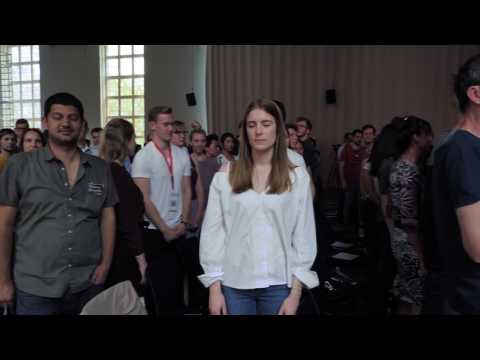
spatial relationships with out visual input you can easily test it I’m sorry
input you can easily test it I’m sorry
input you can easily test it I’m sorry but I’ve in the first talk I have to ask
but I’ve in the first talk I have to ask
but I’ve in the first talk I have to ask you to please stand up seriously okay so
you to please stand up seriously okay so
you to please stand up seriously okay so look around you try to fix it like one
look around you try to fix it like one
look around you try to fix it like one of the windows look at one certain
of the windows look at one certain
of the windows look at one certain objects that you see in this room and
objects that you see in this room and
objects that you see in this room and now face me again please and close your
now face me again please and close your
now face me again please and close your eyes keep your eyes closed until I tell
eyes keep your eyes closed until I tell
eyes keep your eyes closed until I tell you to open them again and now slowly
you to open them again and now slowly
you to open them again and now slowly turn on the spot to your right slowly
turn on the spot to your right slowly
turn on the spot to your right slowly until I say stop turn turn around on
until I say stop turn turn around on
until I say stop turn turn around on you’re on the spot turn around turn
you’re on the spot turn around turn
you’re on the spot turn around turn around
around
around body rotation turn turn turn turn turn
body rotation turn turn turn turn turn
body rotation turn turn turn turn turn more and stop and now without opening
more and stop and now without opening
more and stop and now without opening your eyes please turn back to face the
your eyes please turn back to face the
your eyes please turn back to face the object that you just fixated before if
object that you just fixated before if
object that you just fixated before if you’ve done so open your eyes and you
you’ve done so open your eyes and you
you’ve done so open your eyes and you see that you should be more or less
see that you should be more or less
see that you should be more or less accurately be able to face that spatial
accurately be able to face that spatial
accurately be able to face that spatial location again thank you very much
location again thank you very much
location again thank you very much so basically you were able to update a
so basically you were able to update a
so basically you were able to update a position in space that you couldn’t see
position in space that you couldn’t see
position in space that you couldn’t see during active rotation you changed your
during active rotation you changed your
during active rotation you changed your position and orientation in space and
position and orientation in space and
position and orientation in space and still you had a complete and find
still you had a complete and find
still you had a complete and find accurate representation of where that
accurate representation of where that
accurate representation of where that object location was without visual input
object location was without visual input
object location was without visual input that is a demonstration of how important
that is a demonstration of how important
that is a demonstration of how important our bodily senses are for cognition and
our bodily senses are for cognition and
our bodily senses are for cognition and for other higher processes too so in
for other higher processes too so in
for other higher processes too so in standard or established brain imaging
standard or established brain imaging
standard or established brain imaging studies um we do not have the means to
studies um we do not have the means to
studies um we do not have the means to investigate moving participants as I
investigate moving participants as I
investigate moving participants as I said the scanners are too heavy or we
said the scanners are too heavy or we
said the scanners are too heavy or we are afraid of movement related
are afraid of movement related
are afraid of movement related distortions of the signal so how do we
distortions of the signal so how do we
distortions of the signal so how do we measure activity in actively you moving
measure activity in actively you moving
measure activity in actively you moving participants 10 years ago I started to
participants 10 years ago I started to
participants 10 years ago I started to work with scupper cake from the
work with scupper cake from the
work with scupper cake from the University of California in San Diego
University of California in San Diego
University of California in San Diego and we developed a new mobile brain body
and we developed a new mobile brain body
and we developed a new mobile brain body imaging we called it a mobile brain body
imaging we called it a mobile brain body
imaging we called it a mobile brain body imaging or short movie then Ferriss are
imaging or short movie then Ferriss are
imaging or short movie then Ferriss are joined us from the University of
joined us from the University of
joined us from the University of Michigan now Florida to conduct a series
Michigan now Florida to conduct a series
Michigan now Florida to conduct a series of experiments where we investigated
of experiments where we investigated
of experiments where we investigated participants walking standing and
participants walking standing and
participants walking standing and running in their environment interacting
running in their environment interacting
running in their environment interacting with their environment to better
with their environment to better
with their environment to better understand how the brain dynamics works
understand how the brain dynamics works
understand how the brain dynamics works somos by brain body imaging basically
somos by brain body imaging basically
somos by brain body imaging basically overcomes restrictions of established
overcomes restrictions of established
overcomes restrictions of established brain imaging methods by using portable
brain imaging methods by using portable
brain imaging methods by using portable mobile EEG systems 25 years ago this
mobile EEG systems 25 years ago this
mobile EEG systems 25 years ago this wouldn’t have been possible this isn’t a
wouldn’t have been possible this isn’t a
wouldn’t have been possible this isn’t a 32 channel EEG system that is mobile
32 channel EEG system that is mobile
32 channel EEG system that is mobile completely transferring data wirelessly
completely transferring data wirelessly
completely transferring data wirelessly to your handi to whatever kind of mobile
to your handi to whatever kind of mobile
to your handi to whatever kind of mobile device you think Bluetooth or whatever
device you think Bluetooth or whatever
device you think Bluetooth or whatever kind of protocol this is technology that
kind of protocol this is technology that
kind of protocol this is technology that developed lately and that allows us to
developed lately and that allows us to
developed lately and that allows us to record eg electrical activity of the
record eg electrical activity of the
record eg electrical activity of the brain originating in the brain in
brain originating in the brain in
brain originating in the brain in actively behaving participants however
actively behaving participants however
actively behaving participants however if you want to understand how move and
if you want to understand how move and
if you want to understand how move and impacts brain activity then we have to
impacts brain activity then we have to
impacts brain activity then we have to think
think
think nice the eg with the movement so we have
nice the eg with the movement so we have
nice the eg with the movement so we have to synchronize eg with motion capture in
to synchronize eg with motion capture in
to synchronize eg with motion capture in addition we can synchronize other data
addition we can synchronize other data
addition we can synchronize other data streams like head mounted virtual
streams like head mounted virtual
streams like head mounted virtual reality peripheral physiology whatever
reality peripheral physiology whatever
reality peripheral physiology whatever you would like to synchronize it took
you would like to synchronize it took
you would like to synchronize it took some years to overcome the technical
some years to overcome the technical
some years to overcome the technical challenges of synchronizing wireless
challenges of synchronizing wireless
challenges of synchronizing wireless data streams megabyte with limited
data streams megabyte with limited
data streams megabyte with limited bandwidth without delays and the
bandwidth without delays and the
bandwidth without delays and the different data streams but now we have
different data streams but now we have
different data streams but now we have two laps one in San Diego and one here
two laps one in San Diego and one here
two laps one in San Diego and one here in Berlin
in Berlin
in Berlin that is fantastic it’s the Berlin wall
that is fantastic it’s the Berlin wall
that is fantastic it’s the Berlin wall by brain by the imaging up part here at
by brain by the imaging up part here at
by brain by the imaging up part here at the table Berlin that is a dedicated
the table Berlin that is a dedicated
the table Berlin that is a dedicated research facility two more by brain body
research facility two more by brain body
research facility two more by brain body imaging experiments and what would that
imaging experiments and what would that
imaging experiments and what would that look like so here you see a participant
look like so here you see a participant
look like so here you see a participant in an experiment and she basically does
in an experiment and she basically does
in an experiment and she basically does exactly the same what I just asked you
exactly the same what I just asked you
exactly the same what I just asked you to do keeping up orientation while
to do keeping up orientation while
to do keeping up orientation while turning on the spot and we interested in
turning on the spot and we interested in
turning on the spot and we interested in trying to see which brain areas
trying to see which brain areas
trying to see which brain areas represent that kind of vestibular and
represent that kind of vestibular and
represent that kind of vestibular and proprioceptive information that is used
proprioceptive information that is used
proprioceptive information that is used to reorient towards a certain heading
to reorient towards a certain heading
to reorient towards a certain heading orientation and what you can see is a
orientation and what you can see is a
orientation and what you can see is a 160 channel cap of actively amplified
160 channel cap of actively amplified
160 channel cap of actively amplified EEG on the neck and over the hat to
EEG on the neck and over the hat to
EEG on the neck and over the hat to measure the electrical activity of the
measure the electrical activity of the
measure the electrical activity of the brain and the neck muscles in addition
brain and the neck muscles in addition
brain and the neck muscles in addition that’s synchronized to the motion
that’s synchronized to the motion
that’s synchronized to the motion capture you can see the red LEDs that
capture you can see the red LEDs that
capture you can see the red LEDs that allow us to track position orientation
allow us to track position orientation
allow us to track position orientation changes of participants head torso
changes of participants head torso
changes of participants head torso full-body motion capture and that is
full-body motion capture and that is
full-body motion capture and that is synchronized to the Hat mounted virtual
synchronized to the Hat mounted virtual
synchronized to the Hat mounted virtual reality system here that allows us to
reality system here that allows us to
reality system here that allows us to control visual inputs and as Margaret
control visual inputs and as Margaret
control visual inputs and as Margaret Wilson nicely stated it cognitive
Wilson nicely stated it cognitive
Wilson nicely stated it cognitive processes are deeply rooted in the
processes are deeply rooted in the
processes are deeply rooted in the body’s interaction with the world I’m
body’s interaction with the world I’m
body’s interaction with the world I’m going to show you an example of an
going to show you an example of an
going to show you an example of an experiment that clearly demonstrated
experiment that clearly demonstrated
experiment that clearly demonstrated that brain dynamics are also deeply
that brain dynamics are also deeply
that brain dynamics are also deeply influenced by active behavior and that
influenced by active behavior and that
influenced by active behavior and that that changes cognition one more word to
that changes cognition one more word to
that changes cognition one more word to the data because participants are moving
the data because participants are moving
the data because participants are moving and they produce movement related
and they produce movement related
and they produce movement related artifacts that heavily contaminate the
artifacts that heavily contaminate the
artifacts that heavily contaminate the signal of interest so we need to use
signal of interest so we need to use
signal of interest so we need to use data-driven analysis approaches to
data-driven analysis approaches to
data-driven analysis approaches to dissociate brain for non brain activity
dissociate brain for non brain activity
dissociate brain for non brain activity like neck muscle activity eye movements
like neck muscle activity eye movements
like neck muscle activity eye movements or mechanical induced art effects due to
or mechanical induced art effects due to
or mechanical induced art effects due to the movement cables way and electrode
the movement cables way and electrode
the movement cables way and electrode movements so we need advanced
movements so we need advanced
movements so we need advanced computational methods to dissociate all
computational methods to dissociate all
computational methods to dissociate all these different contributions to
these different contributions to
these different contributions to sensor level data that we record so I’m
sensor level data that we record so I’m
sensor level data that we record so I’m going to show you an experiment and here
going to show you an experiment and here
going to show you an experiment and here we basically exported a very established
we basically exported a very established
we basically exported a very established experiment that we know in psychology
experiment that we know in psychology
experiment that we know in psychology for decades now where participants have
for decades now where participants have
for decades now where participants have to respond to a target that appears on
to respond to a target that appears on
to respond to a target that appears on the screen and we compare two conditions
the screen and we compare two conditions
the screen and we compare two conditions here we compared that participants in
here we compared that participants in
here we compared that participants in one condition had to simply press a
one condition had to simply press a
one condition had to simply press a button whenever a moving sphere changed
button whenever a moving sphere changed
button whenever a moving sphere changed the color to the target color and in the
the color to the target color and in the
the color to the target color and in the second condition we asked participants
second condition we asked participants
second condition we asked participants to actively point and intercept the
to actively point and intercept the
to actively point and intercept the trajectory of that moving sphere so here
trajectory of that moving sphere so here
trajectory of that moving sphere so here you can see the setup and you can see a
you can see the setup and you can see a
you can see the setup and you can see a participant basically showing motivated
participant basically showing motivated
participant basically showing motivated action not simply sitting in front of a
action not simply sitting in front of a
action not simply sitting in front of a screen and just pressing a button but
screen and just pressing a button but
screen and just pressing a button but this is the active pointing condition
this is the active pointing condition
this is the active pointing condition here what you can see is that the sphere
here what you can see is that the sphere
here what you can see is that the sphere moves it changes its color and then
moves it changes its color and then
moves it changes its color and then participants are asked to respond to
participants are asked to respond to
participants are asked to respond to that by touching the moving sphere so
that by touching the moving sphere so
that by touching the moving sphere so this kind of activity is a natural
this kind of activity is a natural
this kind of activity is a natural activity that we observe in our daily
activity that we observe in our daily
activity that we observe in our daily life nearly every every other minute if
life nearly every every other minute if
life nearly every every other minute if you would like to drink some water using
you would like to drink some water using
you would like to drink some water using a glass in front of you what you have to
a glass in front of you what you have to
a glass in front of you what you have to do you have to grasp the glass before
do you have to grasp the glass before
do you have to grasp the glass before that you have to encode the location of
that you have to encode the location of
that you have to encode the location of a glass with respect to your body that
a glass with respect to your body that
a glass with respect to your body that location of that object is encoded based
location of that object is encoded based
location of that object is encoded based on an original topic coordinate system
on an original topic coordinate system
on an original topic coordinate system that is a coordinate system that is
that is a coordinate system that is
that is a coordinate system that is centered in your eyes however if you
centered in your eyes however if you
centered in your eyes however if you want to grasp it you have to line that
want to grasp it you have to line that
want to grasp it you have to line that retinotopic coordinate system with a
retinotopic coordinate system with a
retinotopic coordinate system with a coordinate system of your hand because
coordinate system of your hand because
coordinate system of your hand because you want to grasp that glass that is
you want to grasp that glass that is
you want to grasp that glass that is connected to your arm that is centered
connected to your arm that is centered
connected to your arm that is centered in your shoulder providing yet another
in your shoulder providing yet another
in your shoulder providing yet another coordinate system that has to be aligned
coordinate system that has to be aligned
coordinate system that has to be aligned with the visual coordinate system to
with the visual coordinate system to
with the visual coordinate system to allow controlled movement this is heavy
allow controlled movement this is heavy
allow controlled movement this is heavy computation we don’t notice that at all
computation we don’t notice that at all
computation we don’t notice that at all it’s a simple task for us seemingly but
it’s a simple task for us seemingly but
it’s a simple task for us seemingly but the computational demands underlying
the computational demands underlying
the computational demands underlying that are quite great if you compare that
that are quite great if you compare that
that are quite great if you compare that and make the glass moving like in this
and make the glass moving like in this
and make the glass moving like in this experiment the object is moving the
experiment the object is moving the
experiment the object is moving the computational load increases parietal
computational load increases parietal
computational load increases parietal cortex an area in your brain somewhere
cortex an area in your brain somewhere
cortex an area in your brain somewhere here is one of the cortex areas that
here is one of the cortex areas that
here is one of the cortex areas that among other functions provides the basis
among other functions provides the basis
among other functions provides the basis for the integration of different
for the integration of different
for the integration of different coordinate systems
coordinate systems
coordinate systems it is not involved in execution of motor
it is not involved in execution of motor
it is not involved in execution of motor processes though it’s not a motor area
processes though it’s not a motor area
processes though it’s not a motor area it’s a multi modal integration area here
it’s a multi modal integration area here
it’s a multi modal integration area here you can see the activity of different
you can see the activity of different
you can see the activity of different participants localized to the brain and
participants localized to the brain and
participants localized to the brain and three different perspectives that you
three different perspectives that you
three different perspectives that you can see here and this is a parietal
can see here and this is a parietal
can see here and this is a parietal cortex and we were interested how this
cortex and we were interested how this
cortex and we were interested how this brain region contributes to the sensor
brain region contributes to the sensor
brain region contributes to the sensor level data that we record and what you
level data that we record and what you
level data that we record and what you can see here in this picture is on the
can see here in this picture is on the
can see here in this picture is on the left hand side the activity time locked
left hand side the activity time locked
left hand side the activity time locked to the onset of the color change in the
to the onset of the color change in the
to the onset of the color change in the condition on the left hand side the
condition on the left hand side the
condition on the left hand side the participants simply had to press a
participants simply had to press a
participants simply had to press a button and you can see that a target
button and you can see that a target
button and you can see that a target that appears and that is response
that appears and that is response
that appears and that is response relevant leads to significant activity
relevant leads to significant activity
relevant leads to significant activity in the parietal cortex in the time range
in the parietal cortex in the time range
in the parietal cortex in the time range that we would expect from traditional
that we would expect from traditional
that we would expect from traditional brain imaging studies if you look at the
brain imaging studies if you look at the
brain imaging studies if you look at the pointing condition however you see
pointing condition however you see
pointing condition however you see importantly I significantly increased
importantly I significantly increased
importantly I significantly increased activity even though that area is not
activity even though that area is not
activity even though that area is not involved in executing the motor so this
involved in executing the motor so this
involved in executing the motor so this shows that a continuous computation and
shows that a continuous computation and
shows that a continuous computation and alignment of different coordinate system
alignment of different coordinate system
alignment of different coordinate system in a dynamically changing world is
in a dynamically changing world is
in a dynamically changing world is simply computationally more expensive
simply computationally more expensive
simply computationally more expensive the data that we see in Mobe experiments
the data that we see in Mobe experiments
the data that we see in Mobe experiments are not comparable to the data that we
are not comparable to the data that we
are not comparable to the data that we know from established brain imaging
know from established brain imaging
know from established brain imaging studies because we restrict all these
studies because we restrict all these
studies because we restrict all these aspect of natural behavior of natural
aspect of natural behavior of natural
aspect of natural behavior of natural interaction with a complex and
interaction with a complex and
interaction with a complex and dynamically changing environment we are
dynamically changing environment we are
dynamically changing environment we are far from understanding how the brain
far from understanding how the brain
far from understanding how the brain actually functions where do we go from
actually functions where do we go from
actually functions where do we go from here with movi if we are able to
here with movi if we are able to
here with movi if we are able to understand how active behavior
understand how active behavior
understand how active behavior influences cognition and brain dynamics
influences cognition and brain dynamics
influences cognition and brain dynamics and how brain and AMEX during active
and how brain and AMEX during active
and how brain and AMEX during active behavior changed motor aspects and
behavior changed motor aspects and
behavior changed motor aspects and cognitive processes we will have a
cognitive processes we will have a
cognitive processes we will have a better insight into one important aspect
better insight into one important aspect
better insight into one important aspect of how our human brain works and
of how our human brain works and
of how our human brain works and functions with that we can investigate
functions with that we can investigate
functions with that we can investigate the impact of movement on perception why
the impact of movement on perception why
the impact of movement on perception why and how does our perception of the
and how does our perception of the
and how does our perception of the environment changes when we execute
environment changes when we execute
environment changes when we execute certain motor programs what is the
certain motor programs what is the
certain motor programs what is the relationship of movement to spatial
relationship of movement to spatial
relationship of movement to spatial orienting abilities and the underlying
orienting abilities and the underlying
orienting abilities and the underlying brain dynamics or memory in general
brain dynamics or memory in general
brain dynamics or memory in general if we know better how the brain controls
if we know better how the brain controls
if we know better how the brain controls motor behavior we can develop better
motor behavior we can develop better
motor behavior we can develop better diagnostic and therapeutic approaches to
diagnostic and therapeutic approaches to
diagnostic and therapeutic approaches to treat mood or motor mood or movement
treat mood or motor mood or movement
treat mood or motor mood or movement disorders like Pakistan ISM stroke
disorders like Pakistan ISM stroke
disorders like Pakistan ISM stroke patients rehabilitation approaches we
patients rehabilitation approaches we
patients rehabilitation approaches we open up a new universe of new approaches
open up a new universe of new approaches
open up a new universe of new approaches including central nervous system
including central nervous system
including central nervous system activity to improve cognition and
activity to improve cognition and
activity to improve cognition and movement and most important for me we do
movement and most important for me we do
movement and most important for me we do gain a better understanding of how
gain a better understanding of how
gain a better understanding of how naturally embedded brain functions in an
naturally embedded brain functions in an
naturally embedded brain functions in an active human
active human
active human interacting with anonymity changing
interacting with anonymity changing
interacting with anonymity changing world thank you
world thank you
world thank you [Applause]
”
Be First to Comment