
[Music] I surely do have a really special bond
I surely do have a really special bond
I surely do have a really special bond with music in fact for two solid years
with music in fact for two solid years
with music in fact for two solid years of my life I wanted to pursue a music
of my life I wanted to pursue a music
of my life I wanted to pursue a music career what I didn’t have in mind is
career what I didn’t have in mind is
career what I didn’t have in mind is that to actually study music some sort
that to actually study music some sort
that to actually study music some sort of talent is required I want to be a vet
of talent is required I want to be a vet
of talent is required I want to be a vet now even though I don’t want the world
now even though I don’t want the world
now even though I don’t want the world to witness the minimum talent that I
to witness the minimum talent that I
to witness the minimum talent that I have I feel like music is something
have I feel like music is something
have I feel like music is something personal unique for me to myself now
personal unique for me to myself now
personal unique for me to myself now that I realize that music makes my life
that I realize that music makes my life
that I realize that music makes my life easier keeping in mind that every song
easier keeping in mind that every song
easier keeping in mind that every song has a power to either elevate or decline
has a power to either elevate or decline
has a power to either elevate or decline my current mood
my current mood
my current mood it is also surprising that everyone has
it is also surprising that everyone has
it is also surprising that everyone has a particular reaction to different songs
a particular reaction to different songs
a particular reaction to different songs but people are still unaware of the
but people are still unaware of the
but people are still unaware of the power that music can have without us
power that music can have without us
power that music can have without us even noticing it for instance it is
even noticing it for instance it is
even noticing it for instance it is known that music is involved in nearly
known that music is involved in nearly
known that music is involved in nearly every aspect of our lives and it has
every aspect of our lives and it has
every aspect of our lives and it has been for centuries but with all of the
been for centuries but with all of the
been for centuries but with all of the variations of music generous people
variations of music generous people
variations of music generous people don’t always realize how the music we
don’t always realize how the music we
don’t always realize how the music we consider as background has a drastic
consider as background has a drastic
consider as background has a drastic effect on us in the first place music
effect on us in the first place music
effect on us in the first place music doesn’t necessarily make people smarter
doesn’t necessarily make people smarter
doesn’t necessarily make people smarter as the most effective shirts but it does
as the most effective shirts but it does
as the most effective shirts but it does help people to reduce stress leading
help people to reduce stress leading
help people to reduce stress leading them to digest information calmly and to
them to digest information calmly and to
them to digest information calmly and to concentrate more in spite of this it
concentrate more in spite of this it
concentrate more in spite of this it might be a dead objected that any type
might be a dead objected that any type
might be a dead objected that any type of music would decrease productivity
of music would decrease productivity
of music would decrease productivity since some insists that music while
since some insists that music while
since some insists that music while studying decreases concentration but
studying decreases concentration but
studying decreases concentration but listening to soft music helps the brain
listening to soft music helps the brain
listening to soft music helps the brain to produce more dopamine creating a
to produce more dopamine creating a
to produce more dopamine creating a feeling of well-being which makes
feeling of well-being which makes
feeling of well-being which makes learning much easier surely not all
learning much easier surely not all
learning much easier surely not all generative music can make a person
generative music can make a person
generative music can make a person release dopamine while studying this
release dopamine while studying this
release dopamine while studying this happens when the body is tranquil and
happens when the body is tranquil and
happens when the body is tranquil and the estate is normally achieved with
the estate is normally achieved with
the estate is normally achieved with classical music for instance the
classical music for instance the
classical music for instance the University of France confirms that 76%
University of France confirms that 76%
University of France confirms that 76% of the people that listen to classical
of the people that listen to classical
of the people that listen to classical music while studying get a higher grade
music while studying get a higher grade
music while studying get a higher grade when they were quizzed on that on the
when they were quizzed on that on the
when they were quizzed on that on the lecture than the ones who didn’t this
lecture than the ones who didn’t this
lecture than the ones who didn’t this occurs is that sense of well-being that
occurs is that sense of well-being that
occurs is that sense of well-being that classical or soft music allows people to
classical or soft music allows people to
classical or soft music allows people to achieve
achieve
achieve encourages the body to take things
encourages the body to take things
encourages the body to take things easier and reduce the stress ultimately
easier and reduce the stress ultimately
easier and reduce the stress ultimately leading people to have a better studying
leading people to have a better studying
leading people to have a better studying period which results in better grades
period which results in better grades
period which results in better grades additionally
additionally
additionally exercising while listening to music
exercising while listening to music
exercising while listening to music makes workout more productive this
makes workout more productive this
makes workout more productive this increases the amount of energy in the
increases the amount of energy in the
increases the amount of energy in the body it has been proved by social
body it has been proved by social
body it has been proved by social psychologists for his divert from the
psychologists for his divert from the
psychologists for his divert from the Scientific American magazine the
Scientific American magazine the
Scientific American magazine the listening to enjoyable music increases
listening to enjoyable music increases
listening to enjoyable music increases electrical activities in various regions
electrical activities in various regions
electrical activities in various regions of the brain important for coordinating
of the brain important for coordinating
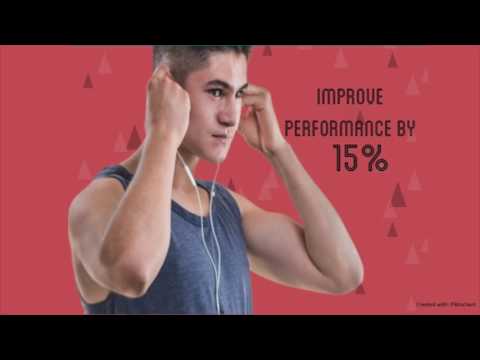
of the brain important for coordinating movements which result in an improvement
movements which result in an improvement
movements which result in an improvement of performance in an average of 15% with
of performance in an average of 15% with
of performance in an average of 15% with this in mind in its article Jabbar
this in mind in its article Jabbar
this in mind in its article Jabbar indicates how songs that reach 180 beats
indicates how songs that reach 180 beats
indicates how songs that reach 180 beats per minute
per minute
per minute are good for exercising since they lead
are good for exercising since they lead
are good for exercising since they lead people to match the song to match the
people to match the song to match the
people to match the song to match the songs tempo to the running pace making
songs tempo to the running pace making
songs tempo to the running pace making their workouts more productive without
their workouts more productive without
their workouts more productive without the noticing sequentially the brain
the noticing sequentially the brain
the noticing sequentially the brain takes the beats of certain songs and
takes the beats of certain songs and
takes the beats of certain songs and encourages the body to follow them
encourages the body to follow them
encourages the body to follow them increasing their energy levels which
increasing their energy levels which
increasing their energy levels which makes workouts more productive with this
makes workouts more productive with this
makes workouts more productive with this in mind we could say that a key for a
in mind we could say that a key for a
in mind we could say that a key for a successful starting session or exercise
successful starting session or exercise
successful starting session or exercise routine could be tracked down to how
routine could be tracked down to how
routine could be tracked down to how music calms us making us more productive
music calms us making us more productive
music calms us making us more productive music increases the opening dopamine
music increases the opening dopamine
music increases the opening dopamine levels and electrical activity in the
levels and electrical activity in the
levels and electrical activity in the brain which in overall leads us to
brain which in overall leads us to
brain which in overall leads us to establish positive correlations between
establish positive correlations between
establish positive correlations between the music that we listen to and the
the music that we listen to and the
the music that we listen to and the activities that we do this might seem as
activities that we do this might seem as
activities that we do this might seem as something obvious for most of you since
something obvious for most of you since
something obvious for most of you since you’re probably able to experience it
you’re probably able to experience it
you’re probably able to experience it for son but the real secret here is how
for son but the real secret here is how
for son but the real secret here is how people who are aware what was already
people who are aware what was already
people who are aware what was already stated use music to the advantage
stated use music to the advantage
stated use music to the advantage leading us to consume more of certain
leading us to consume more of certain
leading us to consume more of certain products by influencing us to establish
products by influencing us to establish
products by influencing us to establish positive connections with the brand
positive connections with the brand
positive connections with the brand without us noticing it in the first
without us noticing it in the first
without us noticing it in the first place doctors that play music in their
place doctors that play music in their
place doctors that play music in their offices and Clinics tend to attract more
offices and Clinics tend to attract more
offices and Clinics tend to attract more clients since music makes their
clients since music makes their
clients since music makes their experience calmer and less painful not
experience calmer and less painful not
experience calmer and less painful not only do they attract more people but
only do they attract more people but
only do they attract more people but they also make their patients feel
they also make their patients feel
they also make their patients feel better in spite of their sickness the
better in spite of their sickness the
better in spite of their sickness the American Psychological Association did
American Psychological Association did
American Psychological Association did an experiment for 42 children out of
an experiment for 42 children out of
an experiment for 42 children out of centered 70 from 3 to 11 years of age
centered 70 from 3 to 11 years of age
centered 70 from 3 to 11 years of age listen to music while getting an IV
listen to music while getting an IV
listen to music while getting an IV inserted at the end of the exam the
inserted at the end of the exam the
inserted at the end of the exam the children that were able to listen to
children that were able to listen to
children that were able to listen to music reported less pain than the ones
music reported less pain than the ones
music reported less pain than the ones who didn’t in this case the lyrics
who didn’t in this case the lyrics
who didn’t in this case the lyrics radome or the simple sound of a song
radome or the simple sound of a song
radome or the simple sound of a song this connects people from how
this connects people from how
this connects people from how uncomfortable being in a doctor’s office
uncomfortable being in a doctor’s office
uncomfortable being in a doctor’s office might be
might be
might be making their experience less painful and
making their experience less painful and
making their experience less painful and more comfortable with this in mind
more comfortable with this in mind
more comfortable with this in mind doctors use the power of music as an
doctors use the power of music as an
doctors use the power of music as an instrument to increase their amount of
instrument to increase their amount of
instrument to increase their amount of patience by creating a better atmosphere
patience by creating a better atmosphere
patience by creating a better atmosphere in their workplace in a similar way
in their workplace in a similar way
in their workplace in a similar way music can lead people to make positive
music can lead people to make positive
music can lead people to make positive correlations between places and the
correlations between places and the
correlations between places and the music they listen to
music they listen to
music they listen to which is why restaurants and food
which is why restaurants and food
which is why restaurants and food outlets use playlists to their advantage
outlets use playlists to their advantage
outlets use playlists to their advantage for instance mood Media a company that
for instance mood Media a company that
for instance mood Media a company that specializes in combining site sent in
specializes in combining site sent in
specializes in combining site sent in audio-visual aids to improve consumers
audio-visual aids to improve consumers
audio-visual aids to improve consumers experiences published an article on how
experiences published an article on how
experiences published an article on how music can influence the time customers
music can influence the time customers
music can influence the time customers spend on restaurants according to mood
spend on restaurants according to mood
spend on restaurants according to mood media fast-paced music tend to excite
media fast-paced music tend to excite
media fast-paced music tend to excite customers making them eat faster while
customers making them eat faster while
customers making them eat faster while slower music encourages people to relax
slower music encourages people to relax
slower music encourages people to relax and eat slower making it more likely for
and eat slower making it more likely for
and eat slower making it more likely for them to consume extra courses such as
them to consume extra courses such as
them to consume extra courses such as dessert or coffee
dessert or coffee
dessert or coffee therefore restaurants who want to empty
therefore restaurants who want to empty
therefore restaurants who want to empty their tables faster to pay fast paced
their tables faster to pay fast paced
their tables faster to pay fast paced music all restaurants that want people
music all restaurants that want people
music all restaurants that want people to spend more money might play slow
to spend more money might play slow
to spend more money might play slow music in this way restaurants may use a
music in this way restaurants may use a
music in this way restaurants may use a specific playlist as a form of marketing
specific playlist as a form of marketing
specific playlist as a form of marketing since it can be used to influence
since it can be used to influence
since it can be used to influence consumption making the restaurant
consumption making the restaurant
consumption making the restaurant increase their profit without us
increase their profit without us
increase their profit without us noticing it furthermore music also has a
noticing it furthermore music also has a
noticing it furthermore music also has a power believe it or not to influence
power believe it or not to influence
power believe it or not to influence their shopping tendencies the beats per
their shopping tendencies the beats per
their shopping tendencies the beats per minute of certain song could either make
minute of certain song could either make
minute of certain song could either make us buy more or buy less depending on the
us buy more or buy less depending on the
us buy more or buy less depending on the mood that that song creates people could
mood that that song creates people could
mood that that song creates people could argue that if popular music is played
argue that if popular music is played
argue that if popular music is played then people’s mood would change making
then people’s mood would change making
then people’s mood would change making them shop more but a study conducted by
them shop more but a study conducted by
them shop more but a study conducted by smart retailer on the rear 2,000 pound
smart retailer on the rear 2,000 pound
smart retailer on the rear 2,000 pound at popular music tend to distract
at popular music tend to distract
at popular music tend to distract customers from the actual buying by
customers from the actual buying by
customers from the actual buying by making them concentrate on the song so
making them concentrate on the song so
making them concentrate on the song so in order to have an increment of sales
in order to have an increment of sales
in order to have an increment of sales Milliman inc proves through another
Milliman inc proves through another
Milliman inc proves through another study that unfamiliar background music
study that unfamiliar background music
study that unfamiliar background music makes customers spend about 34% more
makes customers spend about 34% more
makes customers spend about 34% more time buying and groceries in a
time buying and groceries in a
time buying and groceries in a supermarket
supermarket
supermarket so the real purpose of music being
so the real purpose of music being
so the real purpose of music being planning source isn’t just to make the
planning source isn’t just to make the
planning source isn’t just to make the consumers enjoy their shopping
consumers enjoy their shopping
consumers enjoy their shopping experience the hidden facet behind nice
experience the hidden facet behind nice
experience the hidden facet behind nice music is that through it
music is that through it
music is that through it this can increase their consumption
this can increase their consumption
this can increase their consumption reads the sacred is not only that music
reads the sacred is not only that music
reads the sacred is not only that music relaxes us and makes us more productive
relaxes us and makes us more productive
relaxes us and makes us more productive because you’re not know that but what is
because you’re not know that but what is
because you’re not know that but what is not as obvious is how music is being
not as obvious is how music is being
not as obvious is how music is being used in our day-to-day lives with the
used in our day-to-day lives with the
used in our day-to-day lives with the special purpose behind it the power of
special purpose behind it the power of
special purpose behind it the power of music has been silently underestimated
music has been silently underestimated
music has been silently underestimated in society but implicitly it is
in society but implicitly it is
in society but implicitly it is affecting our focus our emotions and
affecting our focus our emotions and
affecting our focus our emotions and even our decisions by training our brain
even our decisions by training our brain
even our decisions by training our brain into making positive connections between
into making positive connections between
into making positive connections between businesses and the music they play so
businesses and the music they play so
businesses and the music they play so next time you purchase clothes wait for
next time you purchase clothes wait for
next time you purchase clothes wait for an appointment at the doctor’s office or
an appointment at the doctor’s office or
an appointment at the doctor’s office or even have a nice meal should keep in
even have a nice meal should keep in
even have a nice meal should keep in mind that the music they play has a
mind that the music they play has a
mind that the music they play has a purpose other than to entertain you
purpose other than to entertain you
purpose other than to entertain you thank you
thank you
thank you [Applause]
”
Be First to Comment