
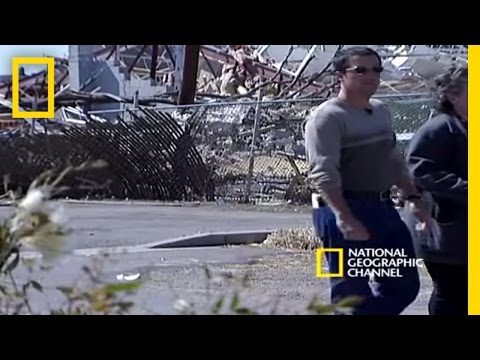
they are fast and they are deadly the tornado that ripped through this small
tornado that ripped through this small
tornado that ripped through this small town received the second highest
town received the second highest
town received the second highest possible danger rating the type of
possible danger rating the type of
possible danger rating the type of tornado that is almost mythic in its
tornado that is almost mythic in its
tornado that is almost mythic in its scope and power a tornado known as an f4
Barbara Watson rates tornadoes for the
Barbara Watson rates tornadoes for the National Weather Service she goes to
National Weather Service she goes to
National Weather Service she goes to areas where tornadoes have hit and
areas where tornadoes have hit and
areas where tornadoes have hit and assesses the damage done can you what
assesses the damage done can you what
assesses the damage done can you what was the building before it was either
was the building before it was either
was the building before it was either one of these okay Watson uses the Fujita
one of these okay Watson uses the Fujita
one of these okay Watson uses the Fujita scale to rate twisters created by
scale to rate twisters created by
scale to rate twisters created by tornado expert Ted Fujita and adopted by
tornado expert Ted Fujita and adopted by
tornado expert Ted Fujita and adopted by the Weather Service in 1971 it uses
the Weather Service in 1971 it uses
the Weather Service in 1971 it uses damage assessments as a gauge to
damage assessments as a gauge to
damage assessments as a gauge to estimate wind speeds for example an f4
estimate wind speeds for example an f4
estimate wind speeds for example an f4 can reduce strong buildings to rubble
can reduce strong buildings to rubble
can reduce strong buildings to rubble with winds up to 260 miles per hour
with winds up to 260 miles per hour
with winds up to 260 miles per hour while it allows them to classify
while it allows them to classify
while it allows them to classify tornadoes it also helps them better
tornadoes it also helps them better
tornadoes it also helps them better understand a tornadoes potential to
understand a tornadoes potential to
understand a tornadoes potential to create havoc
create havoc
create havoc a tornado results in a range of
a tornado results in a range of
a tornado results in a range of destruction but its ultimate
destruction but its ultimate
destruction but its ultimate classification depends on the worst of
classification depends on the worst of
classification depends on the worst of the damage this tornado has been
the damage this tornado has been
the damage this tornado has been classified in f4 although not all of the
classified in f4 although not all of the
classified in f4 although not all of the damage was considered that severe the
damage was considered that severe the
damage was considered that severe the Fujita scale also helps us understand
Fujita scale also helps us understand
Fujita scale also helps us understand why some buildings are destroyed and
why some buildings are destroyed and
why some buildings are destroyed and nearby structures are spared homeowner
nearby structures are spared homeowner
nearby structures are spared homeowner Jeff posies house was leveled by this f4
Jeff posies house was leveled by this f4
Jeff posies house was leveled by this f4 tornado there’s a screen porch this was
tornado there’s a screen porch this was
tornado there’s a screen porch this was a kitchen then that was all one story
a kitchen then that was all one story
a kitchen then that was all one story then it went to a tea storage structure
then it went to a tea storage structure
then it went to a tea storage structure back past that Watson explains that
back past that Watson explains that
back past that Watson explains that posies house was probably hit by a
posies house was probably hit by a
posies house was probably hit by a vortex a mini tornado that can spin off
vortex a mini tornado that can spin off
vortex a mini tornado that can spin off from the larger mass of swirling winds
from the larger mass of swirling winds
from the larger mass of swirling winds when you have a very large tornado that
when you have a very large tornado that
when you have a very large tornado that tornado will break down into smaller
tornado will break down into smaller
tornado will break down into smaller vortices that are rotating around each
vortices that are rotating around each
vortices that are rotating around each other
other
other 50 yards wide at most and so as that
50 yards wide at most and so as that
50 yards wide at most and so as that comes through it’s it’s kind of hit or
comes through it’s it’s kind of hit or
comes through it’s it’s kind of hit or miss as to whether or not one of those
miss as to whether or not one of those
miss as to whether or not one of those vortices are hitting you Wednes
vortices are hitting you Wednes
vortices are hitting you Wednes instantly inside and the building begins
instantly inside and the building begins
instantly inside and the building begins to disintegrate but in reality it was
to disintegrate but in reality it was
to disintegrate but in reality it was ten seconds it was gone
ten seconds it was gone
ten seconds it was gone thanks to radar and satellite technology
thanks to radar and satellite technology
thanks to radar and satellite technology tornadoes now result in fewer casualties
tornadoes now result in fewer casualties
tornadoes now result in fewer casualties than they once did
than they once did
than they once did Doppler radar which bounces off
Doppler radar which bounces off
Doppler radar which bounces off condensation has allowed the weather
condensation has allowed the weather
condensation has allowed the weather service to monitor storms that can
service to monitor storms that can
service to monitor storms that can spawn tornadoes this is just the
spawn tornadoes this is just the
spawn tornadoes this is just the beginning
beginning
beginning forecasters can now warn people to seek
forecasters can now warn people to seek
forecasters can now warn people to seek shelter before a tornado strikes
”
Be First to Comment