
I’m an ecologist and ecologists study living things in their context and they
living things in their context and they
living things in their context and they have certain characteristics in the way
have certain characteristics in the way
have certain characteristics in the way that they look at the world have you
that they look at the world have you
that they look at the world have you noticed the way that ecologists are so
noticed the way that ecologists are so
noticed the way that ecologists are so do me and gloomy I mean there’s such a
do me and gloomy I mean there’s such a
do me and gloomy I mean there’s such a pessimistic Bunch and the reason is that
pessimistic Bunch and the reason is that
pessimistic Bunch and the reason is that they’re always saying we’re going to run
they’re always saying we’re going to run
they’re always saying we’re going to run out of things
out of things
out of things he can’t amidst know better that is to
he can’t amidst know better that is to
he can’t amidst know better that is to say economists say you never run out of
say economists say you never run out of
say economists say you never run out of anything it just gets more expensive so
anything it just gets more expensive so
anything it just gets more expensive so ecologists are busy collapsing the
ecologists are busy collapsing the
ecologists are busy collapsing the resource base whereas economists keep on
resource base whereas economists keep on
resource base whereas economists keep on cycling and cycling through episodes now
cycling and cycling through episodes now
cycling and cycling through episodes now sometimes you actually do run out of
sometimes you actually do run out of
sometimes you actually do run out of stuff this is the Aral Sea and they did
stuff this is the Aral Sea and they did
stuff this is the Aral Sea and they did run out of water but in general terms
run out of water but in general terms
run out of water but in general terms there’s some sort of a substitution goes
there’s some sort of a substitution goes
there’s some sort of a substitution goes on copper gets more and more expensive
on copper gets more and more expensive
on copper gets more and more expensive in practically so and so we shift to
in practically so and so we shift to
in practically so and so we shift to silicon most of the world is made of
silicon most of the world is made of
silicon most of the world is made of silicon so there’s lots and lots of it
silicon so there’s lots and lots of it
silicon so there’s lots and lots of it we’re not going to run out or even have
we’re not going to run out or even have
we’re not going to run out or even have it as being scarce the same thing
it as being scarce the same thing
it as being scarce the same thing happens in biology but biologists don’t
happens in biology but biologists don’t
happens in biology but biologists don’t recognize it as a substitution willows
recognize it as a substitution willows
recognize it as a substitution willows are plants that use wind pollination and
are plants that use wind pollination and
are plants that use wind pollination and we can see that on the one side on the
we can see that on the one side on the
we can see that on the one side on the other hand there have been evolutionary
other hand there have been evolutionary
other hand there have been evolutionary pressures that have changed the pressure
pressures that have changed the pressure
pressures that have changed the pressure and moved willows into back into wind
and moved willows into back into wind
and moved willows into back into wind pollination and at that point they have
pollination and at that point they have
pollination and at that point they have to reinvent petals and they do this with
to reinvent petals and they do this with
to reinvent petals and they do this with their bright yellow stamens so it’s
their bright yellow stamens so it’s
their bright yellow stamens so it’s simply a substitution but biologists
simply a substitution but biologists
simply a substitution but biologists don’t see it that way economists in
don’t see it that way economists in
don’t see it that way economists in general terms view things as profit and
general terms view things as profit and
general terms view things as profit and I this isn’t an apology here for
I this isn’t an apology here for
I this isn’t an apology here for business
business
business or the market or whatever else just
or the market or whatever else just
or the market or whatever else just profit as a concept they use it a lot
profit as a concept they use it a lot
profit as a concept they use it a lot despite the fact that ecologists are
despite the fact that ecologists are
despite the fact that ecologists are talking about research
talking about research
talking about research is being used they never talk about
is being used they never talk about
is being used they never talk about profit I don’t know why but they never
profit I don’t know why but they never
profit I don’t know why but they never do now I want to tell you a story about
do now I want to tell you a story about
do now I want to tell you a story about my lab and how it works before I retired
my lab and how it works before I retired
my lab and how it works before I retired I used to have my graduate students come
I used to have my graduate students come
I used to have my graduate students come out to intellectual mud wrestling
out to intellectual mud wrestling
out to intellectual mud wrestling matches sometimes at my sometimes at my
matches sometimes at my sometimes at my
matches sometimes at my sometimes at my home but other times at my lab it’s the
home but other times at my lab it’s the
home but other times at my lab it’s the same group of people there and you can
same group of people there and you can
same group of people there and you can see we’re eating in both cases I would
see we’re eating in both cases I would
see we’re eating in both cases I would go down to the plants and man lab where
go down to the plants and man lab where
go down to the plants and man lab where there was a stove and I would cook lunch
there was a stove and I would cook lunch
there was a stove and I would cook lunch for about 20 30 people and we can see
for about 20 30 people and we can see
for about 20 30 people and we can see then that the resource comes from my
then that the resource comes from my
then that the resource comes from my garden and the students go out and
garden and the students go out and
garden and the students go out and gather it and you can see they’re
gather it and you can see they’re
gather it and you can see they’re gathering tomatoes and enormous
gathering tomatoes and enormous
gathering tomatoes and enormous quantities of tomatoes I said is the
quantities of tomatoes I said is the
quantities of tomatoes I said is the deal
deal
deal so tomatoes are abundant and we waste
so tomatoes are abundant and we waste
so tomatoes are abundant and we waste them that is to say we only pick ripe
them that is to say we only pick ripe
them that is to say we only pick ripe tomatoes perfectly ripe and anything
tomatoes perfectly ripe and anything
tomatoes perfectly ripe and anything else we just let rot we don’t process
else we just let rot we don’t process
else we just let rot we don’t process them in any way we just consume them and
them in any way we just consume them and
them in any way we just consume them and eat the tomatoes this is a resource that
eat the tomatoes this is a resource that
eat the tomatoes this is a resource that gives you a lot of gain for minimal
gives you a lot of gain for minimal
gives you a lot of gain for minimal effort we call them high gain high gain
effort we call them high gain high gain
effort we call them high gain high gain systems are wasteful they’re local
systems are wasteful they’re local
systems are wasteful they’re local because they sit on the hot spot of the
because they sit on the hot spot of the
because they sit on the hot spot of the resource they’re ephemeral because the
resource they’re ephemeral because the
resource they’re ephemeral because the hot spot doesn’t last very long and
hot spot doesn’t last very long and
hot spot doesn’t last very long and they’re dynamical you can describe them
they’re dynamical you can describe them
they’re dynamical you can describe them in terms of the dynamics of the
in terms of the dynamics of the
in terms of the dynamics of the situation so the students go out there
situation so the students go out there
situation so the students go out there and they high gain the tomatoes and then
and they high gain the tomatoes and then
and they high gain the tomatoes and then I high gain in the kitchen as I stick
I high gain in the kitchen as I stick
I high gain in the kitchen as I stick them in bags and we freeze them for the
them in bags and we freeze them for the
them in bags and we freeze them for the rest of the year now with tomatoes you
rest of the year now with tomatoes you
rest of the year now with tomatoes you need basil and I grow a lot of basil in
need basil and I grow a lot of basil in
need basil and I grow a lot of basil in my god but notice the way that whereas
my god but notice the way that whereas
my god but notice the way that whereas tomatoes are all tomatoes all the way
tomatoes are all tomatoes all the way
tomatoes are all tomatoes all the way basil consists of leaves which you want
basil consists of leaves which you want
basil consists of leaves which you want on these stalks and stems and flowers
on these stalks and stems and flowers
on these stalks and stems and flowers and things that you don’t so we have to
and things that you don’t so we have to
and things that you don’t so we have to approach basil quite differently we have
approach basil quite differently we have
approach basil quite differently we have to treat it as a low quality resource
to treat it as a low quality resource
to treat it as a low quality resource it’s
it’s
it’s that is to say you put in a lot of
that is to say you put in a lot of
that is to say you put in a lot of effort you tend to be prudent the
effort you tend to be prudent the
effort you tend to be prudent the resource is consumed in a dispersed way
resource is consumed in a dispersed way
resource is consumed in a dispersed way the resource tends to be long long
the resource tends to be long long
the resource tends to be long long lasting and structural and so that in
lasting and structural and so that in
lasting and structural and so that in this way basil is reduced down processed
this way basil is reduced down processed
this way basil is reduced down processed increased in quality until we just have
increased in quality until we just have
increased in quality until we just have the leaves so the students are out there
the leaves so the students are out there
the leaves so the students are out there in the garden and they’re low gaining my
in the garden and they’re low gaining my
in the garden and they’re low gaining my basil they’re spending a lot of time
basil they’re spending a lot of time
basil they’re spending a lot of time just getting the good bits and then the
just getting the good bits and then the
just getting the good bits and then the good bits come into me as a high quality
good bits come into me as a high quality
good bits come into me as a high quality resource and I proceed to high gain the
resource and I proceed to high gain the
resource and I proceed to high gain the the basil as I consume it and in this
the basil as I consume it and in this
the basil as I consume it and in this way we have plenty of resource for the
way we have plenty of resource for the
way we have plenty of resource for the food um I have a good colleague Joe
food um I have a good colleague Joe
food um I have a good colleague Joe taint of he’s written a wonderful book
taint of he’s written a wonderful book
taint of he’s written a wonderful book in 1988 called the collapse of complex
in 1988 called the collapse of complex
in 1988 called the collapse of complex societies and his basic premise is that
societies and his basic premise is that
societies and his basic premise is that societies are problem-solving units and
societies are problem-solving units and
societies are problem-solving units and they solve problems by complexify in the
they solve problems by complexify in the
they solve problems by complexify in the beginning you don’t get a lot of benefit
beginning you don’t get a lot of benefit
beginning you don’t get a lot of benefit for complexification then you get a lot
for complexification then you get a lot
for complexification then you get a lot but in the end as a diminishing return
but in the end as a diminishing return
but in the end as a diminishing return on effort so over time we consume a
on effort so over time we consume a
on effort so over time we consume a resource it collapses becomes too
resource it collapses becomes too
resource it collapses becomes too expensive
expensive
expensive we then indulge in some sort of a
we then indulge in some sort of a
we then indulge in some sort of a substitution notice though that the cost
substitution notice though that the cost
substitution notice though that the cost over time keeps on going up relative
over time keeps on going up relative
over time keeps on going up relative complicatedness is a different manner
complicatedness is a different manner
complicatedness is a different manner notice the way that we get more and more
notice the way that we get more and more
notice the way that we get more and more complicated and difficult to deal with
complicated and difficult to deal with
complicated and difficult to deal with but then all of a sudden you change your
but then all of a sudden you change your
but then all of a sudden you change your strategy notice the way that you can
strategy notice the way that you can
strategy notice the way that you can only go so far with an abacus you move
only go so far with an abacus you move
only go so far with an abacus you move the round the little beads and that’s
the round the little beads and that’s
the round the little beads and that’s all well and good but you can’t get very
all well and good but you can’t get very
all well and good but you can’t get very far with that I mean the Incas did well
far with that I mean the Incas did well
far with that I mean the Incas did well but they were limited but most of us
but they were limited but most of us
but they were limited but most of us these days work with computers and
these days work with computers and
these days work with computers and notice the way then that while computers
notice the way then that while computers
notice the way then that while computers are intrinsically much more complicated
are intrinsically much more complicated
are intrinsically much more complicated they’re actually much easier to use
they’re actually much easier to use
they’re actually much easier to use and so we substitute and with the
and so we substitute and with the
and so we substitute and with the substitution the world becomes easy to
substitution the world becomes easy to
substitution the world becomes easy to deal with
deal with
deal with the sumerians for example were able to
the sumerians for example were able to
the sumerians for example were able to increase their productivity in
increase their productivity in
increase their productivity in agriculture up to about twenty-six point
agriculture up to about twenty-six point
agriculture up to about twenty-six point something or other for the barley per
something or other for the barley per
something or other for the barley per hectare that’s a lot
hectare that’s a lot
hectare that’s a lot that’s about what you get in Wisconsin
that’s about what you get in Wisconsin
that’s about what you get in Wisconsin so they’re they are driving their way up
so they’re they are driving their way up
so they’re they are driving their way up this agricultural curve until eventually
this agricultural curve until eventually
this agricultural curve until eventually they say well what can we do we need
they say well what can we do we need
they say well what can we do we need more what can we do and they switch to
more what can we do and they switch to
more what can we do and they switch to rape loot and pillage
rape loot and pillage
rape loot and pillage notice that all the difficult problems
notice that all the difficult problems
notice that all the difficult problems go away the issue is not how can we
go away the issue is not how can we
go away the issue is not how can we increase the urge a little bit more
increase the urge a little bit more
increase the urge a little bit more production the issue is how do we get
production the issue is how do we get
production the issue is how do we get this stuff home and so in this way it
this stuff home and so in this way it
this stuff home and so in this way it becomes easier society then moves from
becomes easier society then moves from
becomes easier society then moves from an agrarian system to an agrarian
an agrarian system to an agrarian
an agrarian system to an agrarian military system and then in this way
military system and then in this way
military system and then in this way increased complexity now let’s proceed
increased complexity now let’s proceed
increased complexity now let’s proceed to look at animals in equivalent terms
to look at animals in equivalent terms
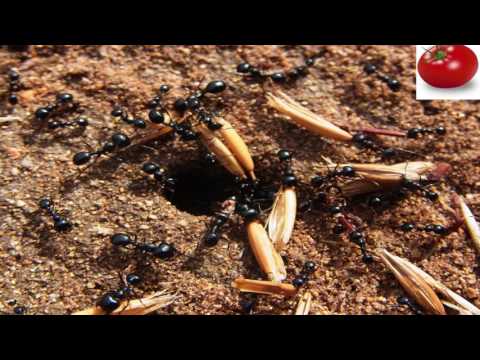
to look at animals in equivalent terms these are harvester ants and harvester
these are harvester ants and harvester
these are harvester ants and harvester ants are harvesting seeds harvester ants
ants are harvesting seeds harvester ants
ants are harvesting seeds harvester ants eat food you’re thinking as opposed to
eat food you’re thinking as opposed to
eat food you’re thinking as opposed to what well not all ants gather food as a
what well not all ants gather food as a
what well not all ants gather food as a resource some ants gather and I feel
resource some ants gather and I feel
resource some ants gather and I feel terribly intrusive about this picture I
terribly intrusive about this picture I
terribly intrusive about this picture I mean watching this poor grass off of
mean watching this poor grass off of
mean watching this poor grass off of defecating but there we go it’s
defecating but there we go it’s
defecating but there we go it’s producing feces you don’t get a lot of
producing feces you don’t get a lot of
producing feces you don’t get a lot of feces because you have the Sun and then
feces because you have the Sun and then
feces because you have the Sun and then leaves it feeds the grasshopper that
leaves it feeds the grasshopper that
leaves it feeds the grasshopper that produces the feces so there’s not a
produces the feces so there’s not a
produces the feces so there’s not a whole lot of resource there now you
whole lot of resource there now you
whole lot of resource there now you might think feces well that’s a low
might think feces well that’s a low
might think feces well that’s a low quality resource not if you’re raising
quality resource not if you’re raising
quality resource not if you’re raising funds jet fuel it doesn’t get any better
funds jet fuel it doesn’t get any better
funds jet fuel it doesn’t get any better and so this way they gather the resource
and so this way they gather the resource
and so this way they gather the resource have special strains of fan G and the
have special strains of fan G and the
have special strains of fan G and the fan G then a generate fungal biomass
fan G then a generate fungal biomass
fan G then a generate fungal biomass which these ads then proceed to eat so
which these ads then proceed to eat so
which these ads then proceed to eat so these guys are making basil they’re not
these guys are making basil they’re not
these guys are making basil they’re not making tomatoes the harvester ants are
making tomatoes the harvester ants are
making tomatoes the harvester ants are making Tomatoes
making Tomatoes
making Tomatoes now notice that we don’t have a whole
now notice that we don’t have a whole
now notice that we don’t have a whole lot of grasshopper faces and that limits
lot of grasshopper faces and that limits
lot of grasshopper faces and that limits the size there are areas about as big as
the size there are areas about as big as
the size there are areas about as big as the thing I’m standing on
the thing I’m standing on
the thing I’m standing on that’s all they work with alternatively
that’s all they work with alternatively
that’s all they work with alternatively if you move to Sun two leaves and then
if you move to Sun two leaves and then
if you move to Sun two leaves and then harvest the leaves and there’s an
harvest the leaves and there’s an
harvest the leaves and there’s an enormous quantity of leaves but you know
enormous quantity of leaves but you know
enormous quantity of leaves but you know what leaves aren’t very good for raising
what leaves aren’t very good for raising
what leaves aren’t very good for raising fungi and in fact the fungi which
fungi and in fact the fungi which
fungi and in fact the fungi which exploit the leaves in the nest
exploit the leaves in the nest
exploit the leaves in the nest are seven times more efficient very
are seven times more efficient very
are seven times more efficient very highly specified particular strains and
highly specified particular strains and
highly specified particular strains and these are really impressive ants they
these are really impressive ants they
these are really impressive ants they have great big millions and millions of
have great big millions and millions of
have great big millions and millions of members they have soldier ants which are
members they have soldier ants which are
members they have soldier ants which are 300 times the size of mininum ants and
300 times the size of mininum ants and
300 times the size of mininum ants and various other different sorts of ant in
various other different sorts of ant in
various other different sorts of ant in the colony in between they have Rhodes
the colony in between they have Rhodes
the colony in between they have Rhodes which is sometimes as long as 300 yards
which is sometimes as long as 300 yards
which is sometimes as long as 300 yards I mean that’s a lot and they even have
I mean that’s a lot and they even have
I mean that’s a lot and they even have castes which going for street cleaning I
castes which going for street cleaning I
castes which going for street cleaning I mean we’re talking really elaborate this
mean we’re talking really elaborate this
mean we’re talking really elaborate this is massive low gain they’re consuming
is massive low gain they’re consuming
is massive low gain they’re consuming such huge quantities they can even
such huge quantities they can even
such huge quantities they can even become agricultural bests and so grass
become agricultural bests and so grass
become agricultural bests and so grass so grasshopper feces is all well and
so grasshopper feces is all well and
so grasshopper feces is all well and good but leaves let you get even bigger
good but leaves let you get even bigger
good but leaves let you get even bigger and better now another colonial insect
and better now another colonial insect
and better now another colonial insect two termites a completely separate group
two termites a completely separate group
two termites a completely separate group deriving from cockroaches and these can
deriving from cockroaches and these can
deriving from cockroaches and these can be plotted on a space here and we can
be plotted on a space here and we can
be plotted on a space here and we can first of all the red ball are termites
first of all the red ball are termites
first of all the red ball are termites that live in wood they live in wood they
that live in wood they live in wood they
that live in wood they live in wood they eat the wood and eventually that
eat the wood and eventually that
eat the wood and eventually that catastrophe as they literally eat
catastrophe as they literally eat
catastrophe as they literally eat themselves out of house now they eat
themselves out of house now they eat
themselves out of house now they eat their homes at that point they go over
their homes at that point they go over
their homes at that point they go over the high-gain collapse and then in this
the high-gain collapse and then in this
the high-gain collapse and then in this way have to reboot and move to a new
way have to reboot and move to a new
way have to reboot and move to a new colonial situation well that’s all well
colonial situation well that’s all well
colonial situation well that’s all well and good but there is another approach
and good but there is another approach
and good but there is another approach one of them is whoa
one of them is whoa
one of them is whoa as you get to the edge you’re looking
as you get to the edge you’re looking
as you get to the edge you’re looking over saying oh my god what can we do
over saying oh my god what can we do
over saying oh my god what can we do let’s go this way and so that in this
let’s go this way and so that in this
let’s go this way and so that in this way by changing course they move towards
way by changing course they move towards
way by changing course they move towards the prudent consumption limit remarkably
the prudent consumption limit remarkably
the prudent consumption limit remarkably enough hardly any systems go prudent
enough hardly any systems go prudent
enough hardly any systems go prudent notice they haven’t followed the top
notice they haven’t followed the top
notice they haven’t followed the top half of the prudent line and systems
half of the prudent line and systems
half of the prudent line and systems don’t do that as long as there is a high
don’t do that as long as there is a high
don’t do that as long as there is a high gain resource in the vicinity they will
gain resource in the vicinity they will
gain resource in the vicinity they will use it all systems do that
use it all systems do that
use it all systems do that all systems are wasteful for example
all systems are wasteful for example
all systems are wasteful for example you’d think in these times of expensive
you’d think in these times of expensive
you’d think in these times of expensive and difficult fuel you’d reckon we’d
and difficult fuel you’d reckon we’d
and difficult fuel you’d reckon we’d conserve gas do you take a picture of
conserve gas do you take a picture of
conserve gas do you take a picture of the United States out in Minnesota and
the United States out in Minnesota and
the United States out in Minnesota and South Dakota you can see a glow on that
South Dakota you can see a glow on that
South Dakota you can see a glow on that glow is just gas being blown off and
glow is just gas being blown off and
glow is just gas being blown off and wasted we never look after our resource
wasted we never look after our resource
wasted we never look after our resource but once you’ve got to this prudent use
but once you’ve got to this prudent use
but once you’ve got to this prudent use then all of a sudden instead of living
then all of a sudden instead of living
then all of a sudden instead of living in your food you live in an area where
in your food you live in an area where
in your food you live in an area where you move out to get the food and bring
you move out to get the food and bring
you move out to get the food and bring it back in again dead twigs little
it back in again dead twigs little
it back in again dead twigs little branches and so forth it’s a low gain
branches and so forth it’s a low gain
branches and so forth it’s a low gain system so there’s lots of resource
system so there’s lots of resource
system so there’s lots of resource there’s so much resource but 10% of the
there’s so much resource but 10% of the
there’s so much resource but 10% of the methane in our atmosphere comes from
methane in our atmosphere comes from
methane in our atmosphere comes from those guys
those guys
those guys I mean it’s impressive they’re really
I mean it’s impressive they’re really
I mean it’s impressive they’re really big and low gain you know what’s really
big and low gain you know what’s really
big and low gain you know what’s really exciting it doesn’t stop there there’s
exciting it doesn’t stop there there’s
exciting it doesn’t stop there there’s 40 percent goodness in Deadwood that you
40 percent goodness in Deadwood that you
40 percent goodness in Deadwood that you gather there’s still five percent
gather there’s still five percent
gather there’s still five percent goodness in soil 65 percent of termite
goodness in soil 65 percent of termite
goodness in soil 65 percent of termite species not biomass but species 65
species not biomass but species 65
species not biomass but species 65 percent of termite species eat soil whoa
percent of termite species eat soil whoa
percent of termite species eat soil whoa it’s not much resource there but if
it’s not much resource there but if
it’s not much resource there but if you’re clever and work hard enough and
you’re clever and work hard enough and
you’re clever and work hard enough and are low gain enough you can still get by
are low gain enough you can still get by
are low gain enough you can still get by on soil now if your termite you’re sort
on soil now if your termite you’re sort
on soil now if your termite you’re sort of limited by the way that termites the
of limited by the way that termites the
of limited by the way that termites the termites and there’s only so much soil
termites and there’s only so much soil
termites and there’s only so much soil you can eat other organisms that live in
you can eat other organisms that live in
you can eat other organisms that live in soil actual
soil actual
soil actual you represent most of the biomass on the
you represent most of the biomass on the
you represent most of the biomass on the planet bacteria are really good at
planet bacteria are really good at
planet bacteria are really good at living in soil and they live in this
living in soil and they live in this
living in soil and they live in this huge mass of renewable resource as far
huge mass of renewable resource as far
huge mass of renewable resource as far as they’re concerned so in this way they
as they’re concerned so in this way they
as they’re concerned so in this way they never run out and form this absolute
never run out and form this absolute
never run out and form this absolute mass of material human societies do the
mass of material human societies do the
mass of material human societies do the same thing Joe Tainter and I’ve recently
same thing Joe Tainter and I’ve recently
same thing Joe Tainter and I’ve recently wrote a paper where we looked at the
wrote a paper where we looked at the
wrote a paper where we looked at the thermodynamics of ants as opposed to the
thermodynamics of ants as opposed to the
thermodynamics of ants as opposed to the Roman Empire I’ve already talked you
Roman Empire I’ve already talked you
Roman Empire I’ve already talked you about
about
about I’ve already talked to you about the
I’ve already talked to you about the
I’ve already talked to you about the Roman roads which after ants use well we
Roman roads which after ants use well we
Roman roads which after ants use well we ran the same comparison here is Caesar
ran the same comparison here is Caesar
ran the same comparison here is Caesar in the Roman Republic
in the Roman Republic
in the Roman Republic he used the rape loot and pillage
he used the rape loot and pillage
he used the rape loot and pillage there’s a trouble with rape Luton
there’s a trouble with rape Luton
there’s a trouble with rape Luton pillage you can only do it once the
pillage you can only do it once the
pillage you can only do it once the travel is with you freight and looted
travel is with you freight and looted
travel is with you freight and looted and pillage is nothing left and so that
and pillage is nothing left and so that
and pillage is nothing left and so that in this way the Roman Republic did
in this way the Roman Republic did
in this way the Roman Republic did wonderfully well they had a fund for
wonderfully well they had a fund for
wonderfully well they had a fund for orphans and widows but in the end they
orphans and widows but in the end they
orphans and widows but in the end they had to move to an empire
had to move to an empire
had to move to an empire this is his nephew or Gustus and
this is his nephew or Gustus and
this is his nephew or Gustus and Augustus is really low gaining he moves
Augustus is really low gaining he moves
Augustus is really low gaining he moves away from taking gold there’s a lot of
away from taking gold there’s a lot of
away from taking gold there’s a lot of gold out there if you can get it but
gold out there if you can get it but
gold out there if you can get it but eventually it runs out so you have to
eventually it runs out so you have to
eventually it runs out so you have to move to peasants there’s not much in a
move to peasants there’s not much in a
move to peasants there’s not much in a peasant but there’s lots of them so you
peasant but there’s lots of them so you
peasant but there’s lots of them so you go out you tax them the taxation system
go out you tax them the taxation system
go out you tax them the taxation system in the Roman Empire was really really
in the Roman Empire was really really
in the Roman Empire was really really impressive
impressive
impressive in the end the Western Empire collapses
in the end the Western Empire collapses
in the end the Western Empire collapses the Eastern Empire takes over but it too
the Eastern Empire takes over but it too
the Eastern Empire takes over but it too begins to run into becoming too complex
begins to run into becoming too complex
begins to run into becoming too complex with too big an overhead they’re running
with too big an overhead they’re running
with too big an overhead they’re running short of materials konstanz the second
short of materials konstanz the second
short of materials konstanz the second the Emperor before him in the East was
the Emperor before him in the East was
the Emperor before him in the East was was Maurice and he was killed by his
was Maurice and he was killed by his
was Maurice and he was killed by his soldiers because he half their wages so
soldiers because he half their wages so
soldiers because he half their wages so being an emperor wasn’t that good a deal
being an emperor wasn’t that good a deal
being an emperor wasn’t that good a deal so konstanz was very clever and he’s the
so konstanz was very clever and he’s the
so konstanz was very clever and he’s the only example we know of the only one
only example we know of the only one
only example we know of the only one that actually actively simplified in
that actually actively simplified in
that actually actively simplified in this way then he gave away a fifth of
this way then he gave away a fifth of
this way then he gave away a fifth of the Empire and gave it to his soldiers
the Empire and gave it to his soldiers
the Empire and gave it to his soldiers it was such a good deal
it was such a good deal
it was such a good deal that a revolting army killed their
that a revolting army killed their
that a revolting army killed their general in North Africa and came back
general in North Africa and came back
general in North Africa and came back into the system to get in on the deal it
into the system to get in on the deal it
into the system to get in on the deal it works wonderfully well instead of Sun
works wonderfully well instead of Sun
works wonderfully well instead of Sun making grain that’s then turned into
making grain that’s then turned into
making grain that’s then turned into gold and silver which is consumed by the
gold and silver which is consumed by the
gold and silver which is consumed by the soldiers the soldiers make the resource
soldiers the soldiers make the resource
soldiers the soldiers make the resource instead of being a burden on society
instead of being a burden on society
instead of being a burden on society there’s suddenly a wonderful asset to
there’s suddenly a wonderful asset to
there’s suddenly a wonderful asset to society there the only system that we
society there the only system that we
society there the only system that we know that we can think of that actually
know that we can think of that actually
know that we can think of that actually actually actively simplified we have to
actually actively simplified we have to
actually actively simplified we have to do the same now we’ve moved from the
do the same now we’ve moved from the
do the same now we’ve moved from the industrial revolution where the strategy
industrial revolution where the strategy
industrial revolution where the strategy was double the size of the engine
was double the size of the engine
was double the size of the engine thicken the cable and pull harder if the
thicken the cable and pull harder if the
thicken the cable and pull harder if the span is wider just make a bigger bridge
span is wider just make a bigger bridge
span is wider just make a bigger bridge industrial systems were large but not
industrial systems were large but not
industrial systems were large but not the systems we work with today the
the systems we work with today the
the systems we work with today the systems we work with today gets smaller
systems we work with today gets smaller
systems we work with today gets smaller and smaller
and smaller
and smaller that’s why rotor tillers and motor cars
that’s why rotor tillers and motor cars
that’s why rotor tillers and motor cars get more expensive and computers get
get more expensive and computers get
get more expensive and computers get cheaper because there’s an economy of
cheaper because there’s an economy of
cheaper because there’s an economy of size increase speed but an economy of
size increase speed but an economy of
size increase speed but an economy of size now can we survive the difficulties
size now can we survive the difficulties
size now can we survive the difficulties were under now a lot of people in
were under now a lot of people in
were under now a lot of people in society are pretty angry about this in
society are pretty angry about this in
society are pretty angry about this in this election on the left and the right
this election on the left and the right
this election on the left and the right and so we’re getting pressured so what
and so we’re getting pressured so what
and so we’re getting pressured so what can we do well the Romans knew about
can we do well the Romans knew about
can we do well the Romans knew about coal and they knew about steam engines
coal and they knew about steam engines
coal and they knew about steam engines but they killed the guy who invented the
but they killed the guy who invented the
but they killed the guy who invented the steam engine and did so because it was
steam engine and did so because it was
steam engine and did so because it was going to undermine the slave economy
going to undermine the slave economy
going to undermine the slave economy they had an industrial option but they
they had an industrial option but they
they had an industrial option but they wouldn’t go in that direction so here we
wouldn’t go in that direction so here we
wouldn’t go in that direction so here we are we have a very complicated society
are we have a very complicated society
are we have a very complicated society the burden is absolutely huge what we
the burden is absolutely huge what we
the burden is absolutely huge what we have to do is only things which are
have to do is only things which are
have to do is only things which are economical and worthwhile Elon Musk is
economical and worthwhile Elon Musk is
economical and worthwhile Elon Musk is basically using oversized Victorian
basically using oversized Victorian
basically using oversized Victorian steam engines you can’t take the train
steam engines you can’t take the train
steam engines you can’t take the train to Mars even if the Train is going
to Mars even if the Train is going
to Mars even if the Train is going twenty thousand miles an hour there are
twenty thousand miles an hour there are
twenty thousand miles an hour there are physical limits millions of miles are
physical limits millions of miles are
physical limits millions of miles are things we simply can’t
things we simply can’t
things we simply can’t and so we have to not make the mistake
and so we have to not make the mistake
and so we have to not make the mistake of the Romans but go with our future
of the Romans but go with our future
of the Romans but go with our future which involves getting simpler and more
which involves getting simpler and more
which involves getting simpler and more efficient and eventually we hope getting
efficient and eventually we hope getting
efficient and eventually we hope getting into some sort of new pattern but it
into some sort of new pattern but it
into some sort of new pattern but it will be fundamentally different thank
will be fundamentally different thank
will be fundamentally different thank you for your attention
you for your attention
you for your attention [Applause]
”
Be First to Comment