
I want to talk you to you about a social HL ecological approach to autism and I’m
HL ecological approach to autism and I’m
HL ecological approach to autism and I’m trying to find the right mechanism why
trying to find the right mechanism why
trying to find the right mechanism why autism you’ll see things coming on stage
autism you’ll see things coming on stage
autism you’ll see things coming on stage and I’ll explain why in a minute
and I’ll explain why in a minute
and I’ll explain why in a minute why autism because it’s one of the most
why autism because it’s one of the most
why autism because it’s one of the most discussed diagnosed psychiatric
discussed diagnosed psychiatric
discussed diagnosed psychiatric conditions in the world and because I’ve
conditions in the world and because I’ve
conditions in the world and because I’ve studied in myself extensively as a
studied in myself extensively as a
studied in myself extensively as a theorist and as a practitioner I’ve
theorist and as a practitioner I’ve
theorist and as a practitioner I’ve worked in different contexts with people
worked in different contexts with people
worked in different contexts with people with autism and because I am an autistic
with autism and because I am an autistic
with autism and because I am an autistic person myself having that out in the
person myself having that out in the
person myself having that out in the open that’s why you see in the corner
open that’s why you see in the corner
open that’s why you see in the corner people struggling with getting my laptop
people struggling with getting my laptop
people struggling with getting my laptop to work because I am a visual thinker
to work because I am a visual thinker
to work because I am a visual thinker and the monitors don’t work because I
and the monitors don’t work because I
and the monitors don’t work because I have autism
have autism
have autism I will overwhelm you with everything I
I will overwhelm you with everything I
I will overwhelm you with everything I say being visualized so you don’t even
say being visualized so you don’t even
say being visualized so you don’t even have to listen to me I support you
have to listen to me I support you
have to listen to me I support you visual thinkers in writing out
visual thinkers in writing out
visual thinkers in writing out everything and if it can’t be written
everything and if it can’t be written
everything and if it can’t be written out I use images again I will overload
out I use images again I will overload
out I use images again I will overload I’m going slow now but just like the
I’m going slow now but just like the
I’m going slow now but just like the world feels to me I’ll make you feel the
world feels to me I’ll make you feel the
world feels to me I’ll make you feel the up-tempo base and what it’s like to live
up-tempo base and what it’s like to live
up-tempo base and what it’s like to live with autism so if he keeps struggling I
with autism so if he keeps struggling I
with autism so if he keeps struggling I keep struggling but what I want to do is
keep struggling but what I want to do is
keep struggling but what I want to do is bring autism back to where it belongs
bring autism back to where it belongs
bring autism back to where it belongs to his actual subject and for me it
to his actual subject and for me it
to his actual subject and for me it takes to be a theorist an autistic
takes to be a theorist an autistic
takes to be a theorist an autistic person and a practitioner so the theory
person and a practitioner so the theory
person and a practitioner so the theory I won’t bore you too much autism exists
I won’t bore you too much autism exists
I won’t bore you too much autism exists for about 75 years now
for about 75 years now
for about 75 years now but still load of questions when we look
but still load of questions when we look
but still load of questions when we look at the spending and the research on
at the spending and the research on
at the spending and the research on autism we see that in the US alone
autism we see that in the US alone
autism we see that in the US alone federal and private funding for autism
federal and private funding for autism
federal and private funding for autism is around 400 million dollars and in the
is around 400 million dollars and in the
is around 400 million dollars and in the UK for instance 50% of the research
UK for instance 50% of the research
UK for instance 50% of the research grants go to studying the biology of
grants go to studying the biology of
grants go to studying the biology of autism autistic brains and cognition the
75 years of history of autism have also
75 years of history of autism have also gift us given us an increase in numbers
gift us given us an increase in numbers
gift us given us an increase in numbers of people diagnosed I have to control
of people diagnosed I have to control
of people diagnosed I have to control two clickers so excuse me if I go
two clickers so excuse me if I go
two clickers so excuse me if I go berserk with the coordination in 1967
berserk with the coordination in 1967
berserk with the coordination in 1967 the prevalence so the number of people
the prevalence so the number of people
the prevalence so the number of people diagnosed was one in 2500 a bit later it
diagnosed was one in 2500 a bit later it
diagnosed was one in 2500 a bit later it was one in 68 and now some claim it’s
was one in 68 and now some claim it’s
was one in 68 and now some claim it’s one in twenty five so look around you
one in twenty five so look around you
one in twenty five so look around you and start counting because one in every
and start counting because one in every
and start counting because one in every row need I say no more
row need I say no more
row need I say no more so it seems we’re stuck with a bit of an
so it seems we’re stuck with a bit of an
so it seems we’re stuck with a bit of an epidemic we have also seen an increase
epidemic we have also seen an increase
epidemic we have also seen an increase in complexity so what that means is for
in complexity so what that means is for
in complexity so what that means is for autism all we have to do is just simply
autism all we have to do is just simply
autism all we have to do is just simply solve the puzzle is crack the code
solve the puzzle is crack the code
solve the puzzle is crack the code explain it’s enigma and we are there and
explain it’s enigma and we are there and
explain it’s enigma and we are there and the Enigma we need to explain is the
the Enigma we need to explain is the
the Enigma we need to explain is the neurobiological enigma and what
neurobiological enigma and what
neurobiological enigma and what neurobiological means it means that it
neurobiological means it means that it
neurobiological means it means that it is located in the brain it’s something
is located in the brain it’s something
is located in the brain it’s something physical so it’s in the body
physical so it’s in the body
physical so it’s in the body and we can observe autism we can measure
and we can observe autism we can measure
and we can observe autism we can measure autism and we speak of it as being a
autism and we speak of it as being a
autism and we speak of it as being a natural condition because people with
natural condition because people with
natural condition because people with autism are born this way and they will
autism are born this way and they will
autism are born this way and they will die this way the spectrum disorder the
die this way the spectrum disorder the
die this way the spectrum disorder the spectrum means it has a multitude of
spectrum means it has a multitude of
spectrum means it has a multitude of genes involved general consensus now is
genes involved general consensus now is
genes involved general consensus now is between 192 and 244 genes involved and
between 192 and 244 genes involved and
between 192 and 244 genes involved and it has a multitude of course is attached
it has a multitude of course is attached
it has a multitude of course is attached and autism manifests itself in different
and autism manifests itself in different
and autism manifests itself in different traits different symptoms some say some
traits different symptoms some say some
traits different symptoms some say some call it different flavors
call it different flavors
call it different flavors I call it behaviors and a disorder means
I call it behaviors and a disorder means
I call it behaviors and a disorder means it’s not the optimal condition there is
it’s not the optimal condition there is
it’s not the optimal condition there is something out of order something
something out of order something
something out of order something dysfunctional but to know that we have
dysfunctional but to know that we have
dysfunctional but to know that we have to set it off against a norm and that
to set it off against a norm and that
to set it off against a norm and that norm in our society we call normality or
norm in our society we call normality or
norm in our society we call normality or some people with autism call it being
some people with autism call it being
some people with autism call it being neurotypical so to be or not to be
neurotypical so to be or not to be
neurotypical so to be or not to be autistic you have to comply with all the
autistic you have to comply with all the
autistic you have to comply with all the traits listed for autism all the traits
traits listed for autism all the traits
traits listed for autism all the traits can be measured inside the brain and the
can be measured inside the brain and the
can be measured inside the brain and the body and you have to behave like a
body and you have to behave like a
body and you have to behave like a typical artist so we have created
typical artist so we have created
typical artist so we have created something like a super artist haven’t we
something like a super artist haven’t we
something like a super artist haven’t we but what if you are like me you do not
but what if you are like me you do not
but what if you are like me you do not like dinosaurs or you don’t like trains
like dinosaurs or you don’t like trains
like dinosaurs or you don’t like trains and you do like cuddling or social
and you do like cuddling or social
and you do like cuddling or social interaction with a hiccup once in a
interaction with a hiccup once in a
interaction with a hiccup once in a while or what if you have as Yavana said
while or what if you have as Yavana said
while or what if you have as Yavana said in the introduction you have one of
in the introduction you have one of
in the introduction you have one of those trades that is not even listed in
those trades that is not even listed in
those trades that is not even listed in a definition of autism i’m synesthetic
a definition of autism i’m synesthetic
a definition of autism i’m synesthetic what that means is that my senses get
what that means is that my senses get
what that means is that my senses get intertwined so I think we’re stuck with
intertwined so I think we’re stuck with
intertwined so I think we’re stuck with a problem
a problem
a problem and yes autism really has some problems
and yes autism really has some problems
and yes autism really has some problems for one it’s ever-changing diagnosis
for one it’s ever-changing diagnosis
for one it’s ever-changing diagnosis through history and it has a multitude
through history and it has a multitude
through history and it has a multitude of courses attached to it another a
of courses attached to it another a
of courses attached to it another a multitude of underlying mechanisms
multitude of underlying mechanisms
multitude of underlying mechanisms attached to it and moreover the
attached to it and moreover the
attached to it and moreover the diagnosis the diagnostic approaches
diagnosis the diagnostic approaches
diagnosis the diagnostic approaches itself it seems a bit like working with
itself it seems a bit like working with
itself it seems a bit like working with the sorting hat according to the
the sorting hat according to the
the sorting hat according to the symptoms you show or the behavior you
symptoms you show or the behavior you
symptoms you show or the behavior you show you get classified and in the end
show you get classified and in the end
show you get classified and in the end it’s all a question whether you are out
it’s all a question whether you are out
it’s all a question whether you are out or out so on the neurobiological site
or out so on the neurobiological site
or out so on the neurobiological site where we speak of things being
where we speak of things being
where we speak of things being neurobiological we say it is encompassed
neurobiological we say it is encompassed
neurobiological we say it is encompassed in a medical model then we see autism as
in a medical model then we see autism as
in a medical model then we see autism as mental illness as opposed to mental
mental illness as opposed to mental
mental illness as opposed to mental health and we focus on the complex
health and we focus on the complex
health and we focus on the complex interaction between biological and
interaction between biological and
interaction between biological and psychological and of course the
psychological and of course the
psychological and of course the dysfunction so one can have the
dysfunction so one can have the
dysfunction so one can have the condition of autism without actually
condition of autism without actually
condition of autism without actually being ill one can have a few symptoms
being ill one can have a few symptoms
being ill one can have a few symptoms without actually having full-blown
without actually having full-blown
without actually having full-blown autism in medicine you can compare it
autism in medicine you can compare it
autism in medicine you can compare it with having the HIV Viereck virus and
with having the HIV Viereck virus and
with having the HIV Viereck virus and having full-blown AIDS
having full-blown AIDS
having full-blown AIDS so what that means when you think of
so what that means when you think of
so what that means when you think of autism from a medical Oh model is we
autism from a medical Oh model is we
autism from a medical Oh model is we have to bring the back the body back
have to bring the back the body back
have to bring the back the body back into its original order
and I don’t know how this happens so we
and I don’t know how this happens so we have to bring the body back into its
have to bring the body back into its
have to bring the body back into its original condition we have to restore it
original condition we have to restore it
original condition we have to restore it I kind of tracked Murphy he’s my best
I kind of tracked Murphy he’s my best
I kind of tracked Murphy he’s my best friend it’s been from this moment this
friend it’s been from this moment this
friend it’s been from this moment this morning on so I’m used to it I’ll talk
morning on so I’m used to it I’ll talk
morning on so I’m used to it I’ll talk you through it and no worries seems like
you through it and no worries seems like
you through it and no worries seems like we autistic people can cope with change
we autistic people can cope with change
we autistic people can cope with change very well can’t we so just like with
very well can’t we so just like with
very well can’t we so just like with other illnesses the flu etc and autism
other illnesses the flu etc and autism
other illnesses the flu etc and autism needs to be treated and needs to be
needs to be treated and needs to be
needs to be treated and needs to be cured so if anyone in the presentation
cured so if anyone in the presentation
cured so if anyone in the presentation can find the one with my picture and the
can find the one with my picture and the
can find the one with my picture and the question marks then we’re back on track
question marks then we’re back on track
question marks then we’re back on track so me for one I don’t want to be cured
so me for one I don’t want to be cured
so me for one I don’t want to be cured for traits that make me me I like my
for traits that make me me I like my
for traits that make me me I like my wits I like my intelligence I like my
wits I like my intelligence I like my
wits I like my intelligence I like my thinking and my hearing colors my
thinking and my hearing colors my
thinking and my hearing colors my synesthesia gives me loads of fun but
synesthesia gives me loads of fun but
synesthesia gives me loads of fun but what I do like is to be able to function
what I do like is to be able to function
what I do like is to be able to function more efficiently in society do groceries
more efficiently in society do groceries
more efficiently in society do groceries have less social anxiety I would want
have less social anxiety I would want
have less social anxiety I would want not to be lost for words sometimes and
not to be lost for words sometimes and
not to be lost for words sometimes and not have to suffer with two clickers
not have to suffer with two clickers
not have to suffer with two clickers anymore so I’m going to lay one on the
anymore so I’m going to lay one on the
anymore so I’m going to lay one on the side and I want to be a normal full
side and I want to be a normal full
side and I want to be a normal full spectrum person and the spectrum when we
spectrum person and the spectrum when we
spectrum person and the spectrum when we come to look at it again it is something
come to look at it again it is something
come to look at it again it is something physical we derive it from physics which
physical we derive it from physics which
physical we derive it from physics which is a linear model and when we look at
is a linear model and when we look at
is a linear model and when we look at the linear model we see that the
the linear model we see that the
the linear model we see that the secondary colors are not a mixed one of
secondary colors are not a mixed one of
secondary colors are not a mixed one of the primary colors and each of the color
the primary colors and each of the color
the primary colors and each of the color remains separate from the other what
remains separate from the other what
remains separate from the other what that means for ASD is that all the full
that means for ASD is that all the full
that means for ASD is that all the full colors and flavors can be found in one
colors and flavors can be found in one
colors and flavors can be found in one person which differs from the next
person which differs from the next
person which differs from the next person and from the next person
person and from the next person
person and from the next person and moreover autism changes throughout
and moreover autism changes throughout
and moreover autism changes throughout lifespan I was very different when I was
lifespan I was very different when I was
lifespan I was very different when I was small I couldn’t have handled this I
small I couldn’t have handled this I
small I couldn’t have handled this I would have chucked this from the stage
would have chucked this from the stage
would have chucked this from the stage believe me
believe me
believe me so isn’t autism if we look at it that
so isn’t autism if we look at it that
so isn’t autism if we look at it that way a bit like the normal variance in
way a bit like the normal variance in
way a bit like the normal variance in humans or if we say it’s linear can we
humans or if we say it’s linear can we
humans or if we say it’s linear can we stack people up net one next to another
stack people up net one next to another
stack people up net one next to another and shouldn’t autism shade of into
and shouldn’t autism shade of into
and shouldn’t autism shade of into normalcy you all know the expression
normalcy you all know the expression
normalcy you all know the expression were all a bit autistic and on the other
were all a bit autistic and on the other
were all a bit autistic and on the other side does it mean that it shades off
side does it mean that it shades off
side does it mean that it shades off into the other conditions mentioned in
into the other conditions mentioned in
into the other conditions mentioned in psychiatric manuals because we see a lot
psychiatric manuals because we see a lot
psychiatric manuals because we see a lot of overlap and when we talk about people
of overlap and when we talk about people
of overlap and when we talk about people what are we on about autistic people are
what are we on about autistic people are
what are we on about autistic people are they indigenous are they tribes or just
they indigenous are they tribes or just
they indigenous are they tribes or just a collection of individuals so all in
a collection of individuals so all in
a collection of individuals so all in all we have a bit of a problem with the
all we have a bit of a problem with the
all we have a bit of a problem with the boundaries and yeah
boundaries and yeah
boundaries and yeah autism is in trouble the category is
autism is in trouble the category is
autism is in trouble the category is vague it’s not clear and distinct from
vague it’s not clear and distinct from
vague it’s not clear and distinct from anything else and the pure biological FM
anything else and the pure biological FM
anything else and the pure biological FM aspect of autism is its biggest problem
aspect of autism is its biggest problem
aspect of autism is its biggest problem so is it real or not believe me it’s
so is it real or not believe me it’s
so is it real or not believe me it’s rather real because people with autism
rather real because people with autism
rather real because people with autism through blogs autobiographies through
through blogs autobiographies through
through blogs autobiographies through the internet they keep informing us
the internet they keep informing us
the internet they keep informing us about their experience of problems in
about their experience of problems in
about their experience of problems in the real world so in with this
the real world so in with this
the real world so in with this information this we can take into the
information this we can take into the
information this we can take into the practices the epidemic lots of studies
practices the epidemic lots of studies
practices the epidemic lots of studies have been done about it with lots of
have been done about it with lots of
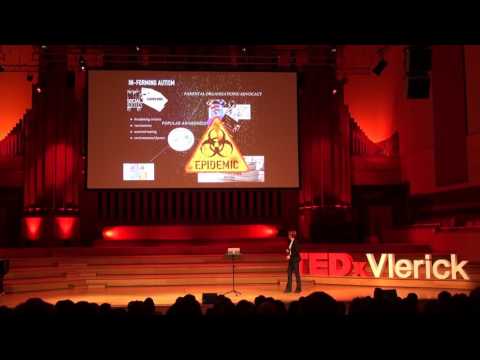
have been done about it with lots of causes etc but it wasn’t until the
causes etc but it wasn’t until the
causes etc but it wasn’t until the parental organizations came into being
parental organizations came into being
parental organizations came into being and advocacy came into being that autism
and advocacy came into being that autism
and advocacy came into being that autism came into popular awareness and from the
came into popular awareness and from the
came into popular awareness and from the moment it came into popular awareness
moment it came into popular awareness
moment it came into popular awareness there was easier access to treatments
there was easier access to treatments
there was easier access to treatments etc which we have lots of and then all
etc which we have lots of and then all
etc which we have lots of and then all these things had to be published in
these things had to be published in
these things had to be published in books then we got the autism films the
books then we got the autism films the
books then we got the autism films the autism cinemas you all have seen and
autism cinemas you all have seen and
autism cinemas you all have seen and heard of and perhaps the popular
heard of and perhaps the popular
heard of and perhaps the popular awareness is what caused the epidemic so
awareness is what caused the epidemic so
awareness is what caused the epidemic so how about that popular thinking on the
how about that popular thinking on the
how about that popular thinking on the one hand we have the treatment but lots
one hand we have the treatment but lots
one hand we have the treatment but lots of research still has to be done about
of research still has to be done about
of research still has to be done about its effectiveness and on the other hand
its effectiveness and on the other hand
its effectiveness and on the other hand we see people who say we have to
we see people who say we have to
we see people who say we have to celebrate this neurodiversity among us
celebrate this neurodiversity among us
celebrate this neurodiversity among us we should see it as a new category of
we should see it as a new category of
we should see it as a new category of human difference because autism is a
human difference because autism is a
human difference because autism is a biological fact on par with
biological fact on par with
biological fact on par with homosexuality skin pigmentation etc it’s
homosexuality skin pigmentation etc it’s
homosexuality skin pigmentation etc it’s not as pathological it’s just a
not as pathological it’s just a
not as pathological it’s just a differently wired brain though different
differently wired brain though different
differently wired brain though different from the standard brain but it functions
from the standard brain but it functions
from the standard brain but it functions as you can see equally well so no
as you can see equally well so no
as you can see equally well so no treatment all society has to do is just
treatment all society has to do is just
treatment all society has to do is just accept it but that being different plays
accept it but that being different plays
accept it but that being different plays a big part in the autistic culture
a big part in the autistic culture
a big part in the autistic culture that’s different being we are creating
that’s different being we are creating
that’s different being we are creating it is out there and if we say different
it is out there and if we say different
it is out there and if we say different what do we mean is it it’s different
what do we mean is it it’s different
what do we mean is it it’s different from what aren’t we then again creating
from what aren’t we then again creating
from what aren’t we then again creating a new category of human beings
a new category of human beings
a new category of human beings and if we say different and a new
and if we say different and a new
and if we say different and a new category aren’t we as polarizing as
category aren’t we as polarizing as
category aren’t we as polarizing as psychiatry is in the first place and if
psychiatry is in the first place and if
psychiatry is in the first place and if autism really was an evolutionary
autism really was an evolutionary
autism really was an evolutionary benefit then why are people with autism
benefit then why are people with autism
benefit then why are people with autism still experiencing problems in this
still experiencing problems in this
still experiencing problems in this world and how about the one with a very
world and how about the one with a very
world and how about the one with a very much younger developmental age than mine
much younger developmental age than mine
much younger developmental age than mine we are on our way to exclusion instead
we are on our way to exclusion instead
we are on our way to exclusion instead of acceptance but if we zoom in on this
of acceptance but if we zoom in on this
of acceptance but if we zoom in on this popular practice we can see lots of
popular practice we can see lots of
popular practice we can see lots of solutions coming from the people with
solutions coming from the people with
solutions coming from the people with autism themselves to have and gain
autism themselves to have and gain
autism themselves to have and gain control over their environment what you
control over their environment what you
control over their environment what you see on the screen is a squeeze chute
see on the screen is a squeeze chute
see on the screen is a squeeze chute which is invented by Temple Grandin and
which is invented by Temple Grandin and
which is invented by Temple Grandin and when she gets overwhelmed by stimuli or
when she gets overwhelmed by stimuli or
when she gets overwhelmed by stimuli or social interactions she gets into the
social interactions she gets into the
social interactions she gets into the Machine and she applies deep pressure to
Machine and she applies deep pressure to
Machine and she applies deep pressure to herself to calm herself down this is how
herself to calm herself down this is how
herself to calm herself down this is how she copes with environments and then we
she copes with environments and then we
she copes with environments and then we saw it being adopted by the families and
saw it being adopted by the families and
saw it being adopted by the families and even in practitioners rooms we see seats
even in practitioners rooms we see seats
even in practitioners rooms we see seats hugging people and then again later on
hugging people and then again later on
hugging people and then again later on from that came a commercialization into
from that came a commercialization into
from that came a commercialization into portable means and all these means get
portable means and all these means get
portable means and all these means get adopted by the public so can we use this
adopted by the public so can we use this
adopted by the public so can we use this popular awareness as a means to a
popular awareness as a means to a
popular awareness as a means to a solution and then we get to the actual
solution and then we get to the actual
solution and then we get to the actual subject of autism when treating
subject of autism when treating
subject of autism when treating individuals it sometimes comes as
individuals it sometimes comes as
individuals it sometimes comes as natural to us and as we heard in the
natural to us and as we heard in the
natural to us and as we heard in the previous presentation we should we do
previous presentation we should we do
previous presentation we should we do things intuitively so when we see
things intuitively so when we see
things intuitively so when we see behavior like is it is projected on the
behavior like is it is projected on the
behavior like is it is projected on the right hand side somebody covering is he
right hand side somebody covering is he
right hand side somebody covering is he is with his hands and we we take look
is with his hands and we we take look
is with his hands and we we take look around and we see a roomful crowded room
around and we see a roomful crowded room
around and we see a roomful crowded room of people talking television playing
of people talking television playing
of people talking television playing loud we immediately know what to do the
loud we immediately know what to do the
loud we immediately know what to do the person knows what to do in a crowded
person knows what to do in a crowded
person knows what to do in a crowded room he covers his ears which is an
room he covers his ears which is an
room he covers his ears which is an adaptive response and perhaps the people
adaptive response and perhaps the people
adaptive response and perhaps the people in the room turn down the TV or suggest
in the room turn down the TV or suggest
in the room turn down the TV or suggest him to go outside we just have to use
him to go outside we just have to use
him to go outside we just have to use our common sense sometimes so what we
our common sense sometimes so what we
our common sense sometimes so what we see is all in all a dynamic process of
see is all in all a dynamic process of
see is all in all a dynamic process of one organism adapting to another
one organism adapting to another
one organism adapting to another organism and we speak of autism’s real
organism and we speak of autism’s real
organism and we speak of autism’s real well I can’t get it to move reading for
well I can’t get it to move reading for
well I can’t get it to move reading for so when we see when we talk about
so when we see when we talk about
so when we see when we talk about adaptation we talk about reacting to one
adaptation we talk about reacting to one
adaptation we talk about reacting to one another and of course some of the
another and of course some of the
another and of course some of the reactions are more adequate than other
reactions are more adequate than other
reactions are more adequate than other reactions some of the behaviors the
reactions some of the behaviors the
reactions some of the behaviors the inadequate one they come when one can’t
inadequate one they come when one can’t
inadequate one they come when one can’t meet up with the expectations of the
meet up with the expectations of the
meet up with the expectations of the environment and what we see as adequate
environment and what we see as adequate
environment and what we see as adequate behavior which we in common language
behavior which we in common language
behavior which we in common language call appropriate behavior we call this
call appropriate behavior we call this
call appropriate behavior we call this or we see this as a more healthy
or we see this as a more healthy
or we see this as a more healthy reaction can you please turn the music
reaction can you please turn the music
reaction can you please turn the music down and healthy is in fact being more
down and healthy is in fact being more
down and healthy is in fact being more than normal it’s a meaningful reaction
than normal it’s a meaningful reaction
than normal it’s a meaningful reaction to the environment
to the environment
to the environment it’s being able to adapt to different
it’s being able to adapt to different
it’s being able to adapt to different norms in different contexts and that
norms in different contexts and that
norms in different contexts and that requires some flexibility and although
requires some flexibility and although
requires some flexibility and although people with autism are not known to be
people with autism are not known to be
people with autism are not known to be flexible although at the moment I’m the
flexible although at the moment I’m the
flexible although at the moment I’m the living proof of flexibility one could
living proof of flexibility one could
living proof of flexibility one could say that creating a rich and meaningful
say that creating a rich and meaningful
say that creating a rich and meaningful environment also for people with autism
environment also for people with autism
environment also for people with autism is something that leads us to well-being
is something that leads us to well-being
is something that leads us to well-being one has to create one with in which the
one has to create one with in which the
one has to create one with in which the individual pins be stimulated can
individual pins be stimulated can
individual pins be stimulated can develop and can flourish
develop and can flourish
develop and can flourish be successful on its own conditions so
be successful on its own conditions so
be successful on its own conditions so adaptation cuts both ways because if we
adaptation cuts both ways because if we
adaptation cuts both ways because if we come to think of the squeeze machine as
come to think of the squeeze machine as
come to think of the squeeze machine as a society do we think such a machine is
a society do we think such a machine is
a society do we think such a machine is appropriate in an office or do we think
appropriate in an office or do we think
appropriate in an office or do we think of it as being appropriate when an
of it as being appropriate when an
of it as being appropriate when an autistic person plays with his or her
autistic person plays with his or her
autistic person plays with his or her saliva so it’s not only society who has
saliva so it’s not only society who has
saliva so it’s not only society who has to adapt or the environment the person
to adapt or the environment the person
to adapt or the environment the person with autism has to adapt as well and as
with autism has to adapt as well and as
with autism has to adapt as well and as we see in the practices and coming from
we see in the practices and coming from
we see in the practices and coming from people with autism they are already done
people with autism they are already done
people with autism they are already done and who knows in future we can get used
and who knows in future we can get used
and who knows in future we can get used to having a squeeze machine in the
to having a squeeze machine in the
to having a squeeze machine in the office after all we got used to these
office after all we got used to these
office after all we got used to these strange machines in fitness halls as
strange machines in fitness halls as
strange machines in fitness halls as well so if we want adequate and flexible
well so if we want adequate and flexible
well so if we want adequate and flexible adaptation to one another
adaptation to one another
adaptation to one another it’s not about society nor society’s
it’s not about society nor society’s
it’s not about society nor society’s norms it’s not about imposing the
norms it’s not about imposing the
norms it’s not about imposing the individuals norms it’s not adapting to
individuals norms it’s not adapting to
individuals norms it’s not adapting to the artist alone and it’s not to
the artist alone and it’s not to
the artist alone and it’s not to limiting things into clinical practices
limiting things into clinical practices
limiting things into clinical practices not all the methods or all the methods
not all the methods or all the methods
not all the methods or all the methods we have now are most for the most part
we have now are most for the most part
we have now are most for the most part retaining to the clinical practice and
retaining to the clinical practice and
retaining to the clinical practice and it’s not limit we should not limit
it’s not limit we should not limit
it’s not limit we should not limit things to a specific area as we know the
things to a specific area as we know the
things to a specific area as we know the strongest organism is a bit more
strongest organism is a bit more
strongest organism is a bit more resilient so it’s perhaps a bit more
resilient so it’s perhaps a bit more
resilient so it’s perhaps a bit more easier for the environment to adapt to
easier for the environment to adapt to
easier for the environment to adapt to the person sometimes but what we have to
the person sometimes but what we have to
the person sometimes but what we have to do is make the person and the
do is make the person and the
do is make the person and the environment stronger in real life and
environment stronger in real life and
environment stronger in real life and that’s the only way we can in fact cope
that’s the only way we can in fact cope
that’s the only way we can in fact cope with each other’s behavior and develop
with each other’s behavior and develop
with each other’s behavior and develop so it’s a very subjective subjective
so it’s a very subjective subjective
so it’s a very subjective subjective thing but if we take the subject as a
thing but if we take the subject as a
thing but if we take the subject as a starting point it causes
starting point it causes
starting point it causes less distress unless distress means more
less distress unless distress means more
less distress unless distress means more opportunities for developments the need
opportunities for developments the need
opportunities for developments the need of knowing where autism ends the
of knowing where autism ends the
of knowing where autism ends the normality begins diminishes it’s the end
normality begins diminishes it’s the end
normality begins diminishes it’s the end of a normalization process the need for
of a normalization process the need for
of a normalization process the need for validation and diagnosis become less
validation and diagnosis become less
validation and diagnosis become less prominence because we can put support
prominence because we can put support
prominence because we can put support before the labeling and the need for
before the labeling and the need for
before the labeling and the need for explaining all those complex biological
explaining all those complex biological
explaining all those complex biological and psychological mechanisms diminishes
and psychological mechanisms diminishes
and psychological mechanisms diminishes because we can do research and put all
because we can do research and put all
because we can do research and put all the funding of research into ways to
the funding of research into ways to
the funding of research into ways to support the subjects which means the
support the subjects which means the
support the subjects which means the people with autism the environment
people with autism the environment
people with autism the environment society the practices as well and we can
society the practices as well and we can
society the practices as well and we can think about subject specific funding not
think about subject specific funding not
think about subject specific funding not only even funding to a person with
only even funding to a person with
only even funding to a person with autism to buy all those memes but also
autism to buy all those memes but also
autism to buy all those memes but also to context schools society to invest in
to context schools society to invest in
to context schools society to invest in a more adapted and that is what
a more adapted and that is what
a more adapted and that is what socialization is all about so how we see
socialization is all about so how we see
socialization is all about so how we see autism is how we come to think of autism
autism is how we come to think of autism
autism is how we come to think of autism and using a label a diagnosis or a
and using a label a diagnosis or a
and using a label a diagnosis or a classification as a justification not to
classification as a justification not to
classification as a justification not to have to adapt it’s still too frequently
have to adapt it’s still too frequently
have to adapt it’s still too frequently in practice this is what I call autism’s
in practice this is what I call autism’s
in practice this is what I call autism’s biggest excuse but for me autism is the
biggest excuse but for me autism is the
biggest excuse but for me autism is the best excuse for development so I thank
best excuse for development so I thank
best excuse for development so I thank you very much for your patience and I
you very much for your patience and I
you very much for your patience and I wish you all the development you can
wish you all the development you can
wish you all the development you can ever get in your life
”
Be First to Comment