
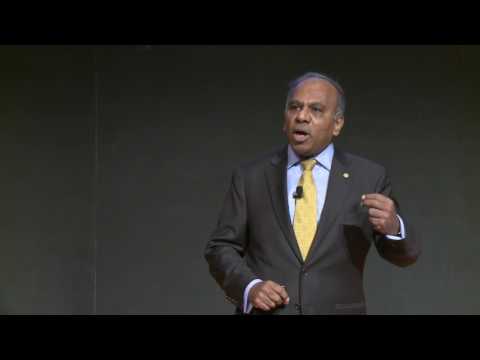
morning good morning everyone welcome to carnegie mellon university where we do
carnegie mellon university where we do
carnegie mellon university where we do work that matters
work that matters
work that matters I’m delighted to be here this morning to
I’m delighted to be here this morning to
I’m delighted to be here this morning to speak to you as part of the global Ted
speak to you as part of the global Ted
speak to you as part of the global Ted community whose purpose is to seek a
community whose purpose is to seek a
community whose purpose is to seek a deeper understanding of the world around
deeper understanding of the world around
deeper understanding of the world around us I would like to offer some thoughts
us I would like to offer some thoughts
us I would like to offer some thoughts as part of that process particularly on
as part of that process particularly on
as part of that process particularly on the topic of technology impacting the
the topic of technology impacting the
the topic of technology impacting the 21st century especially in the context
21st century especially in the context
21st century especially in the context of what many people call the fourth
of what many people call the fourth
of what many people call the fourth Industrial Revolution as you may know in
Industrial Revolution as you may know in
Industrial Revolution as you may know in the last two years or so thought leaders
the last two years or so thought leaders
the last two years or so thought leaders policymakers heads of organizations from
policymakers heads of organizations from
policymakers heads of organizations from around the world have including those
around the world have including those
around the world have including those who have gathered at the World Economic
who have gathered at the World Economic
who have gathered at the World Economic Forum in Davos have talked about
Forum in Davos have talked about
Forum in Davos have talked about industry 4.0 or the fourth Industrial
industry 4.0 or the fourth Industrial
industry 4.0 or the fourth Industrial Revolution in fact I am delighted to say
Revolution in fact I am delighted to say
Revolution in fact I am delighted to say that many of my colleagues from Carnegie
that many of my colleagues from Carnegie
that many of my colleagues from Carnegie Mellon University and I have played a
Mellon University and I have played a
Mellon University and I have played a very active role in that conversation
very active role in that conversation
very active role in that conversation not just in Davos but around the country
not just in Davos but around the country
not just in Davos but around the country and around the world before we get into
and around the world before we get into
and around the world before we get into the fourth Industrial Revolution let’s
the fourth Industrial Revolution let’s
the fourth Industrial Revolution let’s start with the first Industrial
start with the first Industrial
start with the first Industrial Revolution the first Industrial
Revolution the first Industrial
Revolution the first Industrial Revolution is believed to have started
Revolution is believed to have started
Revolution is believed to have started in the late 18th century where power
in the late 18th century where power
in the late 18th century where power produced by steam and water led to
produced by steam and water led to
produced by steam and water led to mechanization that Industrial Revolution
mechanization that Industrial Revolution
mechanization that Industrial Revolution created industrialized cities and it
created industrialized cities and it
created industrialized cities and it changed the world dramatically
changed the world dramatically
changed the world dramatically immediately after the first Industrial
immediately after the first Industrial
immediately after the first Industrial Revolution many families are
Revolution many families are
Revolution many families are the world had their lives and
the world had their lives and
the world had their lives and livelihoods disrupted one such family
livelihoods disrupted one such family
livelihoods disrupted one such family was that of a young man called Andrew
was that of a young man called Andrew
was that of a young man called Andrew Carnegie who were a family of handloom
Carnegie who were a family of handloom
Carnegie who were a family of handloom Weaver’s living in dumb Ferland Scotland
Weaver’s living in dumb Ferland Scotland
Weaver’s living in dumb Ferland Scotland their lives were totally disrupted and
their lives were totally disrupted and
their lives were totally disrupted and they had to move to seek a better life
they had to move to seek a better life
they had to move to seek a better life they moved all the way a family of seven
they moved all the way a family of seven
they moved all the way a family of seven of them who lived in one room moved to
of them who lived in one room moved to
of them who lived in one room moved to Allegheny Pennsylvania to seek a better
Allegheny Pennsylvania to seek a better
Allegheny Pennsylvania to seek a better life between the first Industrial
life between the first Industrial
life between the first Industrial Revolution and the Second Industrial
Revolution and the Second Industrial
Revolution and the Second Industrial Revolution which was primarily made
Revolution which was primarily made
Revolution which was primarily made possible and catalyzed by electricity
possible and catalyzed by electricity
possible and catalyzed by electricity that second Industrial Revolution
that second Industrial Revolution
that second Industrial Revolution produced mass production and Andrew
produced mass production and Andrew
produced mass production and Andrew Carnegie capitalized on it as a leader
Carnegie capitalized on it as a leader
Carnegie capitalized on it as a leader of industry so the disruptions created
of industry so the disruptions created
of industry so the disruptions created by the First and Second Industrial
by the First and Second Industrial
by the First and Second Industrial Revolution made Andrew Carnegie the
Revolution made Andrew Carnegie the
Revolution made Andrew Carnegie the richest American at one point in time
richest American at one point in time
richest American at one point in time when he sold Carnegie steel to JP Morgan
when he sold Carnegie steel to JP Morgan
when he sold Carnegie steel to JP Morgan and that helped create Carnegie Mellon
and that helped create Carnegie Mellon
and that helped create Carnegie Mellon University I would not be standing here
University I would not be standing here
University I would not be standing here today if it were not for the first
today if it were not for the first
today if it were not for the first Industrial Revolution and second
Industrial Revolution and second
Industrial Revolution and second industry of revolution and you will not
industry of revolution and you will not
industry of revolution and you will not be sitting here today the third
be sitting here today the third
be sitting here today the third Industrial Revolution happened in the
Industrial Revolution happened in the
Industrial Revolution happened in the second half of the 20th century during
second half of the 20th century during
second half of the 20th century during that time we had micro electronics
that time we had micro electronics
that time we had micro electronics information and communication
information and communication
information and communication technologies and of course the internet
technologies and of course the internet
technologies and of course the internet that led to unprecedented automation and
that led to unprecedented automation and
that led to unprecedented automation and it produced global supply chain in ways
it produced global supply chain in ways
it produced global supply chain in ways in which we had not seen before it also
in which we had not seen before it also
in which we had not seen before it also produced global networks for production
produced global networks for production
produced global networks for production so that brings me to the fourth
so that brings me to the fourth
so that brings me to the fourth Industrial Revolution what is it the
Industrial Revolution what is it the
Industrial Revolution what is it the fourth Industrial Revolution is a unique
fourth Industrial Revolution is a unique
fourth Industrial Revolution is a unique convergence of the physical world the
convergence of the physical world the
convergence of the physical world the digital world and the biologic
digital world and the biologic
digital world and the biologic world they have never come together in
world they have never come together in
world they have never come together in such a way so what are the key catalysts
such a way so what are the key catalysts
such a way so what are the key catalysts or ingredients of the fourth Industrial
or ingredients of the fourth Industrial
or ingredients of the fourth Industrial Revolution artificial intelligence
Revolution artificial intelligence
Revolution artificial intelligence machine learning robotics big data and
machine learning robotics big data and
machine learning robotics big data and deep data analysis and of course
deep data analysis and of course
deep data analysis and of course securing the cyberspace and the cloud
securing the cyberspace and the cloud
securing the cyberspace and the cloud that connects all of this through mobile
that connects all of this through mobile
that connects all of this through mobile technology and through autonomy the
technology and through autonomy the
technology and through autonomy the remarkable thing is that many of these
remarkable thing is that many of these
remarkable thing is that many of these ingredients of the fourth Industrial
ingredients of the fourth Industrial
ingredients of the fourth Industrial Revolution were pioneered at Carnegie
Revolution were pioneered at Carnegie
Revolution were pioneered at Carnegie Mellon University each of the previous
Mellon University each of the previous
Mellon University each of the previous industrial revolutions disrupted society
industrial revolutions disrupted society
industrial revolutions disrupted society in unprecedented ways but society also
in unprecedented ways but society also
in unprecedented ways but society also adapted to them jobs were disrupted
adapted to them jobs were disrupted
adapted to them jobs were disrupted lives were disrupted there was migration
lives were disrupted there was migration
lives were disrupted there was migration because of the Industrial Revolution
because of the Industrial Revolution
because of the Industrial Revolution there was inequality there was poverty
there was inequality there was poverty
there was inequality there was poverty there were starvation but society
there were starvation but society
there were starvation but society adapted it so given that we have these
adapted it so given that we have these
adapted it so given that we have these ingredients of the fourth Industrial
ingredients of the fourth Industrial
ingredients of the fourth Industrial Revolution what are some of the
Revolution what are some of the
Revolution what are some of the characteristics of the fourth Industrial
characteristics of the fourth Industrial
characteristics of the fourth Industrial Revolution so we have for example let me
Revolution so we have for example let me
Revolution so we have for example let me see if the slides move in the fourth
see if the slides move in the fourth
see if the slides move in the fourth Industrial Revolution we have robotics
Industrial Revolution we have robotics
Industrial Revolution we have robotics artificial intelligence etc so what how
artificial intelligence etc so what how
artificial intelligence etc so what how is the fourth Industrial Revolution
is the fourth Industrial Revolution
is the fourth Industrial Revolution supposed to change humanity the first
supposed to change humanity the first
supposed to change humanity the first characteristic is that the pace of
characteristic is that the pace of
characteristic is that the pace of change has never been more rapid so what
change has never been more rapid so what
change has never been more rapid so what does it mean our ability to produce
does it mean our ability to produce
does it mean our ability to produce technology is much faster occurs at a
technology is much faster occurs at a
technology is much faster occurs at a much faster rate than our ability or
much faster rate than our ability or
much faster rate than our ability or society’s ability to understand the
society’s ability to understand the
society’s ability to understand the technology and adapt to it through
technology and adapt to it through
technology and adapt to it through policies practices and regulations
policies practices and regulations
policies practices and regulations that’s one key feature because of that
that’s one key feature because of that
that’s one key feature because of that there is fear that unlike previous
there is fear that unlike previous
there is fear that unlike previous industrial revolutions our ability to
industrial revolutions our ability to
industrial revolutions our ability to catch up with the disruptions and make
catch up with the disruptions and make
catch up with the disruptions and make amendments immense for this will not be
amendments immense for this will not be
amendments immense for this will not be fine
fine
fine enough what is the future of Labor what
enough what is the future of Labor what
enough what is the future of Labor what is the future of Education and how do we
is the future of Education and how do we
is the future of Education and how do we make sure that lives that are disrupted
make sure that lives that are disrupted
make sure that lives that are disrupted are bettered in a reasonably fast period
are bettered in a reasonably fast period
are bettered in a reasonably fast period of time and how do we make sure that the
of time and how do we make sure that the
of time and how do we make sure that the individual citizen of the world whether
individual citizen of the world whether
individual citizen of the world whether he or she lives in a developing or a
he or she lives in a developing or a
he or she lives in a developing or a developed country can participate in the
developed country can participate in the
developed country can participate in the revolution in a two-way process that is
revolution in a two-way process that is
revolution in a two-way process that is that we have never seen before
that we have never seen before
that we have never seen before it also poses interesting questions what
it also poses interesting questions what
it also poses interesting questions what does it mean to be human in the twenty
does it mean to be human in the twenty
does it mean to be human in the twenty 21st century when machines and robots
21st century when machines and robots
21st century when machines and robots influence lives do we do we cede control
influence lives do we do we cede control
influence lives do we do we cede control to machines
to machines
to machines love respect passion empathy these human
love respect passion empathy these human
love respect passion empathy these human qualities how do we ensure that we don’t
qualities how do we ensure that we don’t
qualities how do we ensure that we don’t lose them that is going to be extremely
lose them that is going to be extremely
lose them that is going to be extremely important the great thing is that
important the great thing is that
important the great thing is that Carnegie Mellon University not only
Carnegie Mellon University not only
Carnegie Mellon University not only looks at technology
looks at technology
looks at technology it also looks at the human dimension it
it also looks at the human dimension it
it also looks at the human dimension it looks at the human dimensions of ethics
looks at the human dimensions of ethics
looks at the human dimensions of ethics privacy policy confidentiality
privacy policy confidentiality
privacy policy confidentiality intellectual property all the human
intellectual property all the human
intellectual property all the human dimensions the arts the humanities
dimensions the arts the humanities
dimensions the arts the humanities Social Sciences etc economics business
Social Sciences etc economics business
Social Sciences etc economics business and that’s a unique strength of Carnegie
and that’s a unique strength of Carnegie
and that’s a unique strength of Carnegie Mellon University every societal
Mellon University every societal
Mellon University every societal disruption comes with intended benefits
disruption comes with intended benefits
disruption comes with intended benefits the fourth Industrial Revolution has the
the fourth Industrial Revolution has the
the fourth Industrial Revolution has the potential to offer enormous benefits to
potential to offer enormous benefits to
potential to offer enormous benefits to make us live better perhaps make us live
make us live better perhaps make us live
make us live better perhaps make us live longer through better healthcare better
longer through better healthcare better
longer through better healthcare better tools and technologies better well-being
tools and technologies better well-being
tools and technologies better well-being assisting disabled children to learn
assisting disabled children to learn
assisting disabled children to learn better through technology assisting the
better through technology assisting the
better through technology assisting the elderly to live better and longer
elderly to live better and longer
elderly to live better and longer through technology that’s all possible
through technology that’s all possible
through technology that’s all possible but also there is potential downside if
but also there is potential downside if
but also there is potential downside if you take a kitchen knife a kitchen knife
you take a kitchen knife a kitchen knife
you take a kitchen knife a kitchen knife can be a very useful tool to make
can be a very useful tool to make
can be a very useful tool to make delicious meals it can also be a lethal
delicious meals it can also be a lethal
delicious meals it can also be a lethal murder murder weapon how humans use and
murder murder weapon how humans use and
murder murder weapon how humans use and abuse technologies can come in
abuse technologies can come in
abuse technologies can come in anticipated way
anticipated way
anticipated way they can also come in unanticipated ways
they can also come in unanticipated ways
they can also come in unanticipated ways so let me give you one example we have
so let me give you one example we have
so let me give you one example we have early part of this century the National
early part of this century the National
early part of this century the National Academy of Engineering released a report
Academy of Engineering released a report
Academy of Engineering released a report called the twenty greatest engineering
called the twenty greatest engineering
called the twenty greatest engineering achievements of the 20th century
achievements of the 20th century
achievements of the 20th century things like electrification automobiles
things like electrification automobiles
things like electrification automobiles air-conditioning commercial aviation
air-conditioning commercial aviation
air-conditioning commercial aviation nuclear power micro electronics computer
nuclear power micro electronics computer
nuclear power micro electronics computer chips the internet etc etc a few ADIZ
chips the internet etc etc a few ADIZ
chips the internet etc etc a few ADIZ are remarkable achievements of humanity
are remarkable achievements of humanity
are remarkable achievements of humanity a few years later the same National
a few years later the same National
a few years later the same National Academy of Engineering
Academy of Engineering
Academy of Engineering released another report to a14 grand
released another report to a14 grand
released another report to a14 grand challenges of the 21st century
sequestering carbon containing nuclear
sequestering carbon containing nuclear terror securing the cyberspace so if you
terror securing the cyberspace so if you
terror securing the cyberspace so if you put the two lists side by side some of
put the two lists side by side some of
put the two lists side by side some of the Grand Challenges of the 21st century
the Grand Challenges of the 21st century
the Grand Challenges of the 21st century or a direct consequence of the
or a direct consequence of the
or a direct consequence of the achievement of the 20th century so if
achievement of the 20th century so if
achievement of the 20th century so if you are so smart in the 20th century to
you are so smart in the 20th century to
you are so smart in the 20th century to create all these wonderful things in the
create all these wonderful things in the
create all these wonderful things in the process created new problems how much
process created new problems how much
process created new problems how much water are we likely to be just a few
water are we likely to be just a few
water are we likely to be just a few years later to solve these problems and
years later to solve these problems and
years later to solve these problems and what new problems will we create in the
what new problems will we create in the
what new problems will we create in the 21st century so that’s the key question
21st century so that’s the key question
21st century so that’s the key question many people think there are many
many people think there are many
many people think there are many different ways to address this my
different ways to address this my
different ways to address this my personal feeling is that technology has
personal feeling is that technology has
personal feeling is that technology has to be taken in the context of the human
to be taken in the context of the human
to be taken in the context of the human condition without that it will not
condition without that it will not
condition without that it will not provide full benefits without unintended
provide full benefits without unintended
provide full benefits without unintended consequences technology comes in many
consequences technology comes in many
consequences technology comes in many different forms there are big
different forms there are big
different forms there are big technologies that are often sexy and
technologies that are often sexy and
technologies that are often sexy and catch the imagination of the people
catch the imagination of the people
catch the imagination of the people there are small technologies that are
there are small technologies that are
there are small technologies that are much more useful but not many people pay
much more useful but not many people pay
much more useful but not many people pay attention to that they don’t get the
attention to that they don’t get the
attention to that they don’t get the attention of the press here is an
attention of the press here is an
attention of the press here is an example in early part of the early 1960s
example in early part of the early 1960s
example in early part of the early 1960s President John F Kennedy made the famous
President John F Kennedy made the famous
President John F Kennedy made the famous statement and I quote we will put man on
statement and I quote we will put man on
statement and I quote we will put man on the moon before the decade is over and
the moon before the decade is over and
the moon before the decade is over and bringing home back safely we
bringing home back safely we
bringing home back safely we Neil Armstrong set foot on the moon the
Neil Armstrong set foot on the moon the
Neil Armstrong set foot on the moon the late 60s many men and women have gone to
late 60s many men and women have gone to
late 60s many men and women have gone to outer space since that time including
outer space since that time including
outer space since that time including many American women this galvanized an
many American women this galvanized an
many American women this galvanized an entire generation of Americans to go
entire generation of Americans to go
entire generation of Americans to go into science and technology this
into science and technology this
into science and technology this produced enormous benefits to society
produced enormous benefits to society
produced enormous benefits to society beyond NASA that’s all true but somebody
beyond NASA that’s all true but somebody
beyond NASA that’s all true but somebody recently pointed out that remember we
recently pointed out that remember we
recently pointed out that remember we put man on the moon before we put wheels
put man on the moon before we put wheels
put man on the moon before we put wheels on the suitcase wheels on the suitcase
on the suitcase wheels on the suitcase
on the suitcase wheels on the suitcase is a useful invention which benefits
is a useful invention which benefits
is a useful invention which benefits hundreds of millions of people every day
hundreds of millions of people every day
hundreds of millions of people every day on earth wheels have been around for
on earth wheels have been around for
on earth wheels have been around for millennia but nobody thought of it until
millennia but nobody thought of it until
millennia but nobody thought of it until after we went to the moon so it’s very
after we went to the moon so it’s very
after we went to the moon so it’s very important to keep this in mind as we
important to keep this in mind as we
important to keep this in mind as we think about technology and society as we
think about technology and society as we
think about technology and society as we pay attention to what the right
pay attention to what the right
pay attention to what the right ingredients are the good news is that
ingredients are the good news is that
ingredients are the good news is that those of you sitting here and those of
those of you sitting here and those of
those of you sitting here and those of you working at Carnegie Mellon
you working at Carnegie Mellon
you working at Carnegie Mellon University are not only thinking about
University are not only thinking about
University are not only thinking about technology you are also thinking about
technology you are also thinking about
technology you are also thinking about society that’s wonderful for humanity
society that’s wonderful for humanity
society that’s wonderful for humanity thank you very much
”
Be First to Comment