
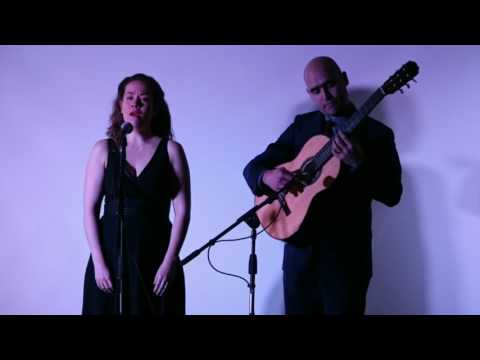
[Music] [Applause]
hello everybody it’s a great pleasure
hello everybody it’s a great pleasure for us to be with you here this
for us to be with you here this
for us to be with you here this afternoon my name is Warren hola started
afternoon my name is Warren hola started
afternoon my name is Warren hola started and I’m an Icelandic mezzo-soprano so i
and I’m an Icelandic mezzo-soprano so i
and I’m an Icelandic mezzo-soprano so i was born in iceland and then i studied
was born in iceland and then i studied
was born in iceland and then i studied in london where I met Francis Xavier
in london where I met Francis Xavier
in london where I met Francis Xavier already and and married him and moved to
already and and married him and moved to
already and and married him and moved to Spain yes we are both the musical jus
Spain yes we are both the musical jus
Spain yes we are both the musical jus and and also her matrimony with two
and and also her matrimony with two
and and also her matrimony with two children Xavier he was born in Oxford
children Xavier he was born in Oxford
children Xavier he was born in Oxford actually although he Spanish and he grew
actually although he Spanish and he grew
actually although he Spanish and he grew up between Los Angeles and Spain and he
up between Los Angeles and Spain and he
up between Los Angeles and Spain and he was living in Paris before I met him in
was living in Paris before I met him in
was living in Paris before I met him in London and the whole family is like that
London and the whole family is like that
London and the whole family is like that you know it’s very international and
you know it’s very international and
you know it’s very international and from from the very start when we started
from from the very start when we started
from from the very start when we started to work together which was 15 years ago
to work together which was 15 years ago
to work together which was 15 years ago we’ve always been very interested in
we’ve always been very interested in
we’ve always been very interested in folk songs folk songs are very specially
folk songs folk songs are very specially
folk songs folk songs are very specially in them in the way that nobody knows who
in them in the way that nobody knows who
in them in the way that nobody knows who composed them that’s why they’re called
composed them that’s why they’re called
composed them that’s why they’re called folk songs and their songs that have
folk songs and their songs that have
folk songs and their songs that have lived on for a very long time in the
lived on for a very long time in the
lived on for a very long time in the memory of the people of a nation or of a
memory of the people of a nation or of a
memory of the people of a nation or of a place and we do believe that they’ve
place and we do believe that they’ve
place and we do believe that they’ve lived on for a long time for a reason
lived on for a long time for a reason
lived on for a long time for a reason they often their songs that they have a
they often their songs that they have a
they often their songs that they have a good melody and also some sort of a
good melody and also some sort of a
good melody and also some sort of a message perhaps a very direct message
message perhaps a very direct message
message perhaps a very direct message and timeless poetry this this afternoon
and timeless poetry this this afternoon
and timeless poetry this this afternoon we’re going to perform for you three
we’re going to perform for you three
we’re going to perform for you three different folk songs the first one is a
different folk songs the first one is a
different folk songs the first one is a Sephardic lullaby it’s a very old song
Sephardic lullaby it’s a very old song
Sephardic lullaby it’s a very old song it’s more than 500 years old and unjust
it’s more than 500 years old and unjust
it’s more than 500 years old and unjust to to remember a bit history
to to remember a bit history
to to remember a bit history the Catholic Kings Isabel and Fernando
the Catholic Kings Isabel and Fernando
the Catholic Kings Isabel and Fernando all the ones that United Spain and and
all the ones that United Spain and and
all the ones that United Spain and and they made Spain into inter very strong
they made Spain into inter very strong
they made Spain into inter very strong country so they did great things but
country so they did great things but
country so they did great things but they also did things for that perhaps
they also did things for that perhaps
they also did things for that perhaps weren’t so great and one of them was
weren’t so great and one of them was
weren’t so great and one of them was that they issued a royal decree in 1492
that they issued a royal decree in 1492
that they issued a royal decree in 1492 and it was pretty relevant to our times
and it was pretty relevant to our times
and it was pretty relevant to our times I think where they said that everybody
I think where they said that everybody
I think where they said that everybody who wanted to live in Spain had to be
who wanted to live in Spain had to be
who wanted to live in Spain had to be Christian and until that moment
Christian and until that moment
Christian and until that moment Christians Jews and Muslims had all been
Christians Jews and Muslims had all been
Christians Jews and Muslims had all been living together so now the Jews and the
living together so now the Jews and the
living together so now the Jews and the Muslims had the choice to either convert
Muslims had the choice to either convert
Muslims had the choice to either convert to Christianity or leave and they said
to Christianity or leave and they said
to Christianity or leave and they said they can take everything with them
they can take everything with them
they can take everything with them except gold silver jewels horses
except gold silver jewels horses
except gold silver jewels horses furniture and so on so basically they
furniture and so on so basically they
furniture and so on so basically they couldn’t take anything with him so a
couldn’t take anything with him so a
couldn’t take anything with him so a huge wave of refugees went from Spain to
huge wave of refugees went from Spain to
huge wave of refugees went from Spain to the north of Africa to to the north of
the north of Africa to to the north of
the north of Africa to to the north of Europe to the east and then later on to
Europe to the east and then later on to
Europe to the east and then later on to the west to America as well and all over
the west to America as well and all over
the west to America as well and all over the world and so these people they
the world and so these people they
the world and so these people they didn’t have any objects that they could
didn’t have any objects that they could
didn’t have any objects that they could take with them like many of today’s
take with them like many of today’s
take with them like many of today’s refugees so what could they take with
refugees so what could they take with
refugees so what could they take with them really just what they had in their
them really just what they had in their
them really just what they had in their minds their intellect education their
minds their intellect education their
minds their intellect education their experience and their culture and this
experience and their culture and this
experience and their culture and this culture they took care of they continued
culture they took care of they continued
culture they took care of they continued to speak their language lovino and they
to speak their language lovino and they
to speak their language lovino and they preserved their songs their poetry and
preserved their songs their poetry and
preserved their songs their poetry and this song that we’re going to perform
this song that we’re going to perform
this song that we’re going to perform for you was recorded or written down in
for you was recorded or written down in
for you was recorded or written down in Morocco and it’s sung in Ladino which is
Morocco and it’s sung in Ladino which is
Morocco and it’s sung in Ladino which is the language of the Jews from the 15th
the language of the Jews from the 15th
the language of the Jews from the 15th century and this is a lullaby pretty
century and this is a lullaby pretty
century and this is a lullaby pretty dramatic lullaby actually a mother is
dramatic lullaby actually a mother is
dramatic lullaby actually a mother is singing to her child and she’s saying go
singing to her child and she’s saying go
singing to her child and she’s saying go to sleep little baby you want mom to
to sleep little baby you want mom to
to sleep little baby you want mom to sing you lullabies father’s coming home
sing you lullabies father’s coming home
sing you lullabies father’s coming home soon with so much happiness
soon with so much happiness
soon with so much happiness then the father he he knocks on the door
then the father he he knocks on the door
then the father he he knocks on the door in a second verse and he says open the
in a second verse and he says open the
in a second verse and he says open the door for me my dear wife because i’m so
door for me my dear wife because i’m so
door for me my dear wife because i’m so tired i’ve been working in the fields
tired i’ve been working in the fields
tired i’ve been working in the fields all day and the third verse she says no
all day and the third verse she says no
all day and the third verse she says no i’m not going to open the door for you
i’m not going to open the door for you
i’m not going to open the door for you because i know you haven’t been on the
because i know you haven’t been on the
because i know you haven’t been on the fields I know that you’ve been with your
fields I know that you’ve been with your
fields I know that you’ve been with your new lover and then she continues to sing
new lover and then she continues to sing
new lover and then she continues to sing for the child go to sleep little baby
for the child go to sleep little baby
for the child go to sleep little baby father will come home soon with so much
father will come home soon with so much
father will come home soon with so much happiness
Charlie
Charlie [Music]
[Music]
[Music] kidding me Johnny
kidding me Johnny
kidding me Johnny [Music]
[Music]
[Music] Oh
[Applause]
[Applause] [Music]
thank you very much this old melody was
thank you very much this old melody was arranged by Javier like the other two
arranged by Javier like the other two
arranged by Javier like the other two songs that were going to perform now I
songs that were going to perform now I
songs that were going to perform now I would like to take you away from old
would like to take you away from old
would like to take you away from old Spain to an island in the North Atlantic
Spain to an island in the North Atlantic
Spain to an island in the North Atlantic which was uninhabited until the 9th
which was uninhabited until the 9th
which was uninhabited until the 9th century personal strangely because it’s
century personal strangely because it’s
century personal strangely because it’s pretty difficult to live there in nature
pretty difficult to live there in nature
pretty difficult to live there in nature at least and this is my home country
at least and this is my home country
at least and this is my home country Iceland and Iceland was really built by
Iceland and Iceland was really built by
Iceland and Iceland was really built by refugees because in the 9th century
refugees because in the 9th century
refugees because in the 9th century there was a very harsh and difficult
there was a very harsh and difficult
there was a very harsh and difficult King in Norway and those who felt that
King in Norway and those who felt that
King in Norway and those who felt that they were very oppressed by him they had
they were very oppressed by him they had
they were very oppressed by him they had heard of some Island than some Irish
heard of some Island than some Irish
heard of some Island than some Irish monks had gone to at some point and so
monks had gone to at some point and so
monks had gone to at some point and so they decided to take to their biking
they decided to take to their biking
they decided to take to their biking ships and explore and and the first
ships and explore and and the first
ships and explore and and the first person who came there saw a lot of ice
person who came there saw a lot of ice
person who came there saw a lot of ice and so he named the country Iceland and
and so he named the country Iceland and
and so he named the country Iceland and it’s um it was a pretty poor country for
it’s um it was a pretty poor country for
it’s um it was a pretty poor country for for a thousand years really until the
for a thousand years really until the
for a thousand years really until the 20th century now it’s a very rich
20th century now it’s a very rich
20th century now it’s a very rich country and and it’s a very good place
country and and it’s a very good place
country and and it’s a very good place to live in with electricity and hot
to live in with electricity and hot
to live in with electricity and hot water that comes from the hot springs
water that comes from the hot springs
water that comes from the hot springs but it really wasn’t for a thousand
but it really wasn’t for a thousand
but it really wasn’t for a thousand years and people did not have a lot of
years and people did not have a lot of
years and people did not have a lot of money or a lot of food but what they did
money or a lot of food but what they did
money or a lot of food but what they did have was a language and they had culture
have was a language and they had culture
have was a language and they had culture they had the Icelandic sagas and they
they had the Icelandic sagas and they
they had the Icelandic sagas and they had a lot of poetry and it sort of
had a lot of poetry and it sort of
had a lot of poetry and it sort of became a national sport to recite Rhymes
became a national sport to recite Rhymes
became a national sport to recite Rhymes and also to make them up both for men
and also to make them up both for men
and also to make them up both for men and women and one of the most popular
and women and one of the most popular
and women and one of the most popular poets in Iceland those woman was born
poets in Iceland those woman was born
poets in Iceland those woman was born just before 1800 1795 I believe and her
just before 1800 1795 I believe and her
just before 1800 1795 I believe and her name was Rosa boom adopted often known
name was Rosa boom adopted often known
name was Rosa boom adopted often known as the Santa Rosa or dosa from Vicente
as the Santa Rosa or dosa from Vicente
as the Santa Rosa or dosa from Vicente she was a midwife a pretty poor woman
she was a midwife a pretty poor woman
she was a midwife a pretty poor woman and she fell very deeply in love and was
and she fell very deeply in love and was
and she fell very deeply in love and was not allowed to marry the man that she
not allowed to marry the man that she
not allowed to marry the man that she loved and she found expression in
loved and she found expression in
loved and she found expression in writing many men
writing many men
writing many men many rhymes about her love for him and
many rhymes about her love for him and
many rhymes about her love for him and her loss and we’re going to perform for
her loss and we’re going to perform for
her loss and we’re going to perform for you three verses from this long cycle of
you three verses from this long cycle of
you three verses from this long cycle of rhymes and in this song she says my eyes
rhymes and in this song she says my eyes
rhymes and in this song she says my eyes and your eyes all those beautiful stones
and your eyes all those beautiful stones
and your eyes all those beautiful stones mine is yours and yours is mine you know
mine is yours and yours is mine you know
mine is yours and yours is mine you know what I mean I haven’t seen him for a
what I mean I haven’t seen him for a
what I mean I haven’t seen him for a long time he was the handsomest of all
long time he was the handsomest of all
long time he was the handsomest of all man now I have become weary of a flood
man now I have become weary of a flood
man now I have become weary of a flood of Tears oh how I wish I’d never met you
of Tears oh how I wish I’d never met you
of Tears oh how I wish I’d never met you my dear good friend
and now for a last song a Spanish folk
and now for a last song a Spanish folk song this one was collected by Federico
song this one was collected by Federico
song this one was collected by Federico Garcia Lorca who’s better known perhaps
Garcia Lorca who’s better known perhaps
Garcia Lorca who’s better known perhaps for his his poetry his place and his his
for his his poetry his place and his his
for his his poetry his place and his his writing in general he was killed in 1936
writing in general he was killed in 1936
writing in general he was killed in 1936 in a spanish civil war and he was very
in a spanish civil war and he was very
in a spanish civil war and he was very fascinated all his life from childhood
fascinated all his life from childhood
fascinated all his life from childhood by spanish folk songs that he would
by spanish folk songs that he would
by spanish folk songs that he would listen to collect and arrange for voice
listen to collect and arrange for voice
listen to collect and arrange for voice and piano and this is one of those songs
and piano and this is one of those songs
and piano and this is one of those songs los cuatro mule eros the formula tears
los cuatro mule eros the formula tears
los cuatro mule eros the formula tears here are a girl or a young woman is
here are a girl or a young woman is
here are a girl or a young woman is speaking to her mother and she’s saying
speaking to her mother and she’s saying
speaking to her mother and she’s saying mother one of the formula tears going to
mother one of the formula tears going to
mother one of the formula tears going to the water has stolen my soul and she
the water has stolen my soul and she
the water has stolen my soul and she says mother husband
says mother husband
says mother husband [Music]
”
Be First to Comment