
h2o I think this is the best-known molecule in the world that we know of
molecule in the world that we know of
molecule in the world that we know of the mere fact that water makes up more
the mere fact that water makes up more
the mere fact that water makes up more than 70% of our body composition the
than 70% of our body composition the
than 70% of our body composition the fact that it it cushions our our our
fact that it it cushions our our our
fact that it it cushions our our our joint it cushions our organs it helps to
joint it cushions our organs it helps to
joint it cushions our organs it helps to burn food turn it into energy in our
burn food turn it into energy in our
burn food turn it into energy in our body
body
body take the nutrients to our cells the fact
take the nutrients to our cells the fact
take the nutrients to our cells the fact that animals have to have water the
that animals have to have water the
that animals have to have water the plants needed the oceans wouldn’t exist
plants needed the oceans wouldn’t exist
plants needed the oceans wouldn’t exist without water I think is living proof
without water I think is living proof
without water I think is living proof that be the driving force behind nature
that be the driving force behind nature
that be the driving force behind nature is water so water is everywhere and
is water so water is everywhere and
is water so water is everywhere and every living organism needs water
every living organism needs water
every living organism needs water somehow to survive as such I think it’s
somehow to survive as such I think it’s
somehow to survive as such I think it’s fair to say that water is life life is
fair to say that water is life life is
fair to say that water is life life is water without water we wouldn’t exist
water without water we wouldn’t exist
water without water we wouldn’t exist water can be life but water can also be
water can be life but water can also be
water can be life but water can also be death and destruction to little of it
death and destruction to little of it
death and destruction to little of it then humans die stuff they can’t grow
then humans die stuff they can’t grow
then humans die stuff they can’t grow crops too much of it again we have a
crops too much of it again we have a
crops too much of it again we have a problem
problem
problem it caused devastation it changed
it caused devastation it changed
it caused devastation it changed geographies tsunamis floods they they
geographies tsunamis floods they they
geographies tsunamis floods they they they they change the social fabric of
they they change the social fabric of
they they change the social fabric of our of our civilization and the way we
our of our civilization and the way we
our of our civilization and the way we use water or for a better word I think
use water or for a better word I think
use water or for a better word I think abuse water to wave mistreated the way
abuse water to wave mistreated the way
abuse water to wave mistreated the way we mismanage it is also causing a lot of
we mismanage it is also causing a lot of
we mismanage it is also causing a lot of problems in Asia we’re all familiar with
problems in Asia we’re all familiar with
problems in Asia we’re all familiar with the frequent floods and too much rain at
the frequent floods and too much rain at
the frequent floods and too much rain at times and we have probably all
times and we have probably all
times and we have probably all experienced some type of flood in our
experienced some type of flood in our
experienced some type of flood in our lives at some point and all of that the
lives at some point and all of that the
lives at some point and all of that the devastation that it caused over and over
devastation that it caused over and over
devastation that it caused over and over again every year I think is all too
again every year I think is all too
again every year I think is all too familiar to us so life death destruction
familiar to us so life death destruction
familiar to us so life death destruction misery and I think water can cause both
misery and I think water can cause both
misery and I think water can cause both depending on how we use it but we also
depending on how we use it but we also
depending on how we use it but we also use what
use what
use what to create energy almost all power plants
to create energy almost all power plants
to create energy almost all power plants that we know a feather it’s a
that we know a feather it’s a
that we know a feather it’s a hydroelectric power plant that runs
hydroelectric power plant that runs
hydroelectric power plant that runs purely on water or whether it’s a
purely on water or whether it’s a
purely on water or whether it’s a nuclear power plant or a fossil based
nuclear power plant or a fossil based
nuclear power plant or a fossil based coal or gas power plant uses water in
coal or gas power plant uses water in
coal or gas power plant uses water in its process in some shape way or form
its process in some shape way or form
its process in some shape way or form you can argue that solar energy or or or
you can argue that solar energy or or or
you can argue that solar energy or or or wind farms the renewable energy sources
wind farms the renewable energy sources
wind farms the renewable energy sources that we are trying to push more and more
that we are trying to push more and more
that we are trying to push more and more these days they don’t use water in the
these days they don’t use water in the
these days they don’t use water in the process well maybe I I agree partially
process well maybe I I agree partially
process well maybe I I agree partially but I’ll come to that later on so we use
but I’ll come to that later on so we use
but I’ll come to that later on so we use water extensively to to generate energy
water extensively to to generate energy
water extensively to to generate energy but we also use a lot of energy pushing
but we also use a lot of energy pushing
but we also use a lot of energy pushing water around for our own needs so the
water around for our own needs so the
water around for our own needs so the the most common method of getting water
the most common method of getting water
the most common method of getting water from its source to your homes or to
from its source to your homes or to
from its source to your homes or to where it’s needed is pumps and pumps are
where it’s needed is pumps and pumps are
where it’s needed is pumps and pumps are driven by motors and usually by electric
driven by motors and usually by electric
driven by motors and usually by electric motors and did you know that in the
motors and did you know that in the
motors and did you know that in the world today 10% of the electrical
world today 10% of the electrical
world today 10% of the electrical production electrical energy that we
production electrical energy that we
production electrical energy that we manufacture we produce is used by pumps
manufacture we produce is used by pumps
manufacture we produce is used by pumps to water to move water to push water
to water to move water to push water
to water to move water to push water around to get water to where it’s needed
around to get water to where it’s needed
around to get water to where it’s needed 10% big-scale and then pretty soon we’ll
10% big-scale and then pretty soon we’ll
10% big-scale and then pretty soon we’ll start seeing hydrogen fuel cells
start seeing hydrogen fuel cells
start seeing hydrogen fuel cells commercially available in our lives and
commercially available in our lives and
commercially available in our lives and already here hydrogen pools fuel cell
already here hydrogen pools fuel cell
already here hydrogen pools fuel cell car is coming out from several
car is coming out from several
car is coming out from several manufacturers and those cells in
manufacturers and those cells in
manufacturers and those cells in principle very simply put use water as
principle very simply put use water as
principle very simply put use water as the main ingredient and then put out
the main ingredient and then put out
the main ingredient and then put out water as the final byproduct so energy
water as the final byproduct so energy
water as the final byproduct so energy straight out of water so the use of
straight out of water so the use of
straight out of water so the use of water in energy in creating power is is
water in energy in creating power is is
water in energy in creating power is is really gaining momentum in getting big
really gaining momentum in getting big
really gaining momentum in getting big not only we need water for our own use
not only we need water for our own use
not only we need water for our own use but we also need it for energy for
but we also need it for energy for
but we also need it for energy for creating our power for sustaining our
creating our power for sustaining our
creating our power for sustaining our civilization so
civilization so
civilization so if water is that important and I think
if water is that important and I think
if water is that important and I think we all agree that water is critical to
we all agree that water is critical to
we all agree that water is critical to life to civilization why does the world
life to civilization why does the world
life to civilization why does the world not have a sustainable water policy
not have a sustainable water policy
not have a sustainable water policy water management policy yes in some
water management policy yes in some
water management policy yes in some countries in some institutions there’s a
countries in some institutions there’s a
countries in some institutions there’s a lot of work going for towards it and a
lot of work going for towards it and a
lot of work going for towards it and a lot of governments are appointing in
lot of governments are appointing in
lot of governments are appointing in creating new ministries to look after
creating new ministries to look after
creating new ministries to look after water management and water resources but
water management and water resources but
water management and water resources but it is still in its infancy and
it is still in its infancy and
it is still in its infancy and recognizing the fact when the UN put out
recognizing the fact when the UN put out
recognizing the fact when the UN put out its 2030 global sustainable development
its 2030 global sustainable development
its 2030 global sustainable development goals water was firmly on the agenda out
goals water was firmly on the agenda out
goals water was firmly on the agenda out of the 17 sustainable development goals
of the 17 sustainable development goals
of the 17 sustainable development goals for 2030 which the whole world though
for 2030 which the whole world though
for 2030 which the whole world though all governments are supposed to be
all governments are supposed to be
all governments are supposed to be focusing on to make lives and our world
focusing on to make lives and our world
focusing on to make lives and our world a better place to are related to water
a better place to are related to water
a better place to are related to water the development goal number six which is
the development goal number six which is
the development goal number six which is clean water and sanitation sanitization
clean water and sanitation sanitization
clean water and sanitation sanitization so ensuring that every human being has
so ensuring that every human being has
so ensuring that every human being has access to clean water and sanitize ation
access to clean water and sanitize ation
access to clean water and sanitize ation and number 14 which is life in water so
and number 14 which is life in water so
and number 14 which is life in water so oceans and and and and seas as we know
oceans and and and and seas as we know
oceans and and and and seas as we know it but let’s look at number six which is
it but let’s look at number six which is
it but let’s look at number six which is much closer to home for for our basic
much closer to home for for our basic
much closer to home for for our basic needs clean water and sanitization for
needs clean water and sanitization for
needs clean water and sanitization for all do we have enough water in the world
all do we have enough water in the world
all do we have enough water in the world to do that today our big blue planet
to do that today our big blue planet
to do that today our big blue planet it’s it’s there you can see it it’s
it’s it’s there you can see it it’s
it’s it’s there you can see it it’s covered with water
covered with water
covered with water seventy one percent of the planet is
seventy one percent of the planet is
seventy one percent of the planet is covered in water and the water that
covered in water and the water that
covered in water and the water that covers the world is mainly oceans and
covers the world is mainly oceans and
covers the world is mainly oceans and seas so say line a lot of salt in it and
seas so say line a lot of salt in it and
seas so say line a lot of salt in it and therefore not readily consumable is not
therefore not readily consumable is not
therefore not readily consumable is not fit for consumption by the living
fit for consumption by the living
fit for consumption by the living organisms in its existing format so 97%
organisms in its existing format so 97%
organisms in its existing format so 97% is indices only 3% is available as fresh
is indices only 3% is available as fresh
is indices only 3% is available as fresh water for us for animals for plants to
water for us for animals for plants to
water for us for animals for plants to consume and all of those 3% which is
consume and all of those 3% which is
consume and all of those 3% which is mostly in largely locked in ice caps in
mostly in largely locked in ice caps in
mostly in largely locked in ice caps in the glaciers 69% is out there frozen
the glaciers 69% is out there frozen
the glaciers 69% is out there frozen solid and needs to be thought before we
solid and needs to be thought before we
solid and needs to be thought before we can use it 69% is trapped in ice then
can use it 69% is trapped in ice then
can use it 69% is trapped in ice then another 30% is trapped under the ground
another 30% is trapped under the ground
another 30% is trapped under the ground it’s ground water ground water lakes
it’s ground water ground water lakes
it’s ground water ground water lakes ground streams and it needs to be
ground streams and it needs to be
ground streams and it needs to be brought out to the surface before we can
brought out to the surface before we can
brought out to the surface before we can use it so when you do the addition only
use it so when you do the addition only
use it so when you do the addition only 1% of the freshwater that’s available in
1% of the freshwater that’s available in
1% of the freshwater that’s available in the world is in surface water so lakes
the world is in surface water so lakes
the world is in surface water so lakes rivers and swamps so you do the math 1%
rivers and swamps so you do the math 1%
rivers and swamps so you do the math 1% of 3 percent so 0.03 percent of the
of 3 percent so 0.03 percent of the
of 3 percent so 0.03 percent of the water that we have in the world is
water that we have in the world is
water that we have in the world is available readily available for human
available readily available for human
available readily available for human consumption and that would actually be
consumption and that would actually be
consumption and that would actually be pretty ok to sustain the world and the
pretty ok to sustain the world and the
pretty ok to sustain the world and the world population today if we could
world population today if we could
world population today if we could distribute it and manage it in a fair
distribute it and manage it in a fair
distribute it and manage it in a fair and sustainable way but unfortunately
and sustainable way but unfortunately
and sustainable way but unfortunately not everybody is as fortunate as as we
not everybody is as fortunate as as we
not everybody is as fortunate as as we are not everybody is as as lucky as we
are not everybody is as as lucky as we
are not everybody is as as lucky as we are in most of Africa and also certainly
are in most of Africa and also certainly
are in most of Africa and also certainly in Central Asia the less developed
in Central Asia the less developed
in Central Asia the less developed communities the the rural areas there is
communities the the rural areas there is
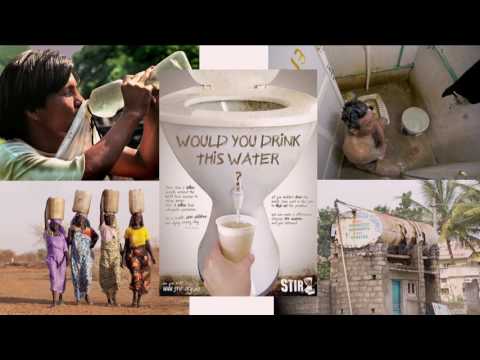
communities the the rural areas there is a real problem with access to water
a real problem with access to water
a real problem with access to water access to clean water and many people in
access to clean water and many people in
access to clean water and many people in their daily lives spend a lot of time
their daily lives spend a lot of time
their daily lives spend a lot of time looking for water or fetching water
looking for water or fetching water
looking for water or fetching water bringing water back home especially
bringing water back home especially
bringing water back home especially women and kids they are the main water
women and kids they are the main water
women and kids they are the main water makers if I may call them so
makers if I may call them so
makers if I may call them so at home and women children they spent on
at home and women children they spent on
at home and women children they spent on average in those countries in those
average in those countries in those
average in those countries in those communities six hours a day walking six
communities six hours a day walking six
communities six hours a day walking six kilometers looking for water finding
kilometers looking for water finding
kilometers looking for water finding water bringing water back home six hours
water bringing water back home six hours
water bringing water back home six hours 125 million hours a day is spent by
125 million hours a day is spent by
125 million hours a day is spent by women and children to fetch water to
women and children to fetch water to
women and children to fetch water to find water and so I said children are
find water and so I said children are
find water and so I said children are involved in that but of course the water
involved in that but of course the water
involved in that but of course the water that they find is not always necessarily
that they find is not always necessarily
that they find is not always necessarily clean water good for their health and a
clean water good for their health and a
clean water good for their health and a lot of the time they have to use
lot of the time they have to use
lot of the time they have to use contaminated water or dirty water and in
contaminated water or dirty water and in
contaminated water or dirty water and in those dirty waters all sorts of diseases
those dirty waters all sorts of diseases
those dirty waters all sorts of diseases and problems lurk from from malaria to
and problems lurk from from malaria to
and problems lurk from from malaria to cholera to typhoid or if it’s an
cholera to typhoid or if it’s an
cholera to typhoid or if it’s an industrially polluted piece of well then
industrially polluted piece of well then
industrially polluted piece of well then even touching that water we could could
even touching that water we could could
even touching that water we could could could give you burns and rashes so and
could give you burns and rashes so and
could give you burns and rashes so and even death maybe according to the
even death maybe according to the
even death maybe according to the studies between nine hundred and four to
studies between nine hundred and four to
studies between nine hundred and four to five thousand kids die every day from
five thousand kids die every day from
five thousand kids die every day from preventable waterborne diseases that’s a
preventable waterborne diseases that’s a
preventable waterborne diseases that’s a huge staggering and said number and I’m
huge staggering and said number and I’m
huge staggering and said number and I’m not going to bore you with more
not going to bore you with more
not going to bore you with more statistics but just to take one from
statistics but just to take one from
statistics but just to take one from what you see on the screen every 90
what you see on the screen every 90
what you see on the screen every 90 seconds that’s the low end of the
seconds that’s the low end of the
seconds that’s the low end of the estimate the high end of the estimate
estimate the high end of the estimate
estimate the high end of the estimate says every 15 seconds every 90 seconds a
says every 15 seconds every 90 seconds a
says every 15 seconds every 90 seconds a child dies from waterborne diseases
child dies from waterborne diseases
child dies from waterborne diseases considering that I’ve been up here on
considering that I’ve been up here on
considering that I’ve been up here on stage for about 12 minutes now that is
stage for about 12 minutes now that is
stage for about 12 minutes now that is eight kids that has died since I started
eight kids that has died since I started
eight kids that has died since I started talking here when we talk about these
talking here when we talk about these
talking here when we talk about these figures we all know about them but maybe
figures we all know about them but maybe
figures we all know about them but maybe we don’t really get the real thing if I
we don’t really get the real thing if I
we don’t really get the real thing if I had six kids standing next to me here
had six kids standing next to me here
had six kids standing next to me here sorry eight kids standing next to me
sorry eight kids standing next to me
sorry eight kids standing next to me here every one and a half minutes every
here every one and a half minutes every
here every one and a half minutes every 90 seconds one of them B would be
90 seconds one of them B would be
90 seconds one of them B would be falling down and I
falling down and I
falling down and I think that would be a grim grim thing to
think that would be a grim grim thing to
think that would be a grim grim thing to watch for all of us so think about that
watch for all of us so think about that
watch for all of us so think about that when we’re reading these statistics but
when we’re reading these statistics but
when we’re reading these statistics but also to say a few positive things about
also to say a few positive things about
also to say a few positive things about water and how water can create change in
water and how water can create change in
water and how water can create change in the community and help lives every $1
the community and help lives every $1
the community and help lives every $1 that we miss in water creates again
that we miss in water creates again
that we miss in water creates again according to different studies between
according to different studies between
according to different studies between four and eight dollars in repeat
four and eight dollars in repeat
four and eight dollars in repeat economic activity so you can imagine
economic activity so you can imagine
economic activity so you can imagine it’s not just helping those people those
it’s not just helping those people those
it’s not just helping those people those societies or animals or or or or plants
societies or animals or or or or plants
societies or animals or or or or plants to have a better life but also we create
to have a better life but also we create
to have a better life but also we create economies we are helping the kids to be
economies we are helping the kids to be
economies we are helping the kids to be more healthy and when they don’t have to
more healthy and when they don’t have to
more healthy and when they don’t have to go and look for water they can go to
go and look for water they can go to
go and look for water they can go to school so it also helps to stimulate the
school so it also helps to stimulate the
school so it also helps to stimulate the economic development of the communities
economic development of the communities
economic development of the communities so on average a person needs between
so on average a person needs between
so on average a person needs between fifty and hundred liters of water to get
fifty and hundred liters of water to get
fifty and hundred liters of water to get by during his or her day some country is
by during his or her day some country is
by during his or her day some country is a little less some country is a little
a little less some country is a little
a little less some country is a little more but on average in the world 5,200
more but on average in the world 5,200
more but on average in the world 5,200 liters that we consume for ourselves we
liters that we consume for ourselves we
liters that we consume for ourselves we drink it we washing it we brush our
drink it we washing it we brush our
drink it we washing it we brush our tooth we be cooking it so and that
tooth we be cooking it so and that
tooth we be cooking it so and that amount is only the visible part of the
amount is only the visible part of the
amount is only the visible part of the iceberg only 10% of the use of water in
iceberg only 10% of the use of water in
iceberg only 10% of the use of water in the world
the world
the world goes into domestic and personal use 90%
goes into domestic and personal use 90%
goes into domestic and personal use 90% goes into agriculture and industry into
goes into agriculture and industry into
goes into agriculture and industry into production and depending on the
production and depending on the
production and depending on the development level of the country of
development level of the country of
development level of the country of course the figure changes the the more
course the figure changes the the more
course the figure changes the the more developed countries are more
developed countries are more
developed countries are more industrialized so they use more water in
industrialized so they use more water in
industrialized so they use more water in industrial production and the developing
industrial production and the developing
industrial production and the developing part of the world is using more water
part of the world is using more water
part of the world is using more water for agriculture but on average 70% is
for agriculture but on average 70% is
for agriculture but on average 70% is used on agriculture 20% used in industry
used on agriculture 20% used in industry
used on agriculture 20% used in industry and only 10% by people phone in our
and only 10% by people phone in our
and only 10% by people phone in our daily lives and what we need to consume
daily lives and what we need to consume
daily lives and what we need to consume to to
to to
to to stay alive but is that all 10% what
stay alive but is that all 10% what
stay alive but is that all 10% what about the remaining 90% don’t be able
about the remaining 90% don’t be able
about the remaining 90% don’t be able share in that everything we eat from
share in that everything we eat from
share in that everything we eat from burgers to fish the cattle or everything
burgers to fish the cattle or everything
burgers to fish the cattle or everything that we buy from shoes too close to
that we buy from shoes too close to
that we buy from shoes too close to shirts everything uses water in some
shirts everything uses water in some
shirts everything uses water in some shape or form in its production when we
shape or form in its production when we
shape or form in its production when we grow crops when we cut even metal we
grow crops when we cut even metal we
grow crops when we cut even metal we always use water in that so that’s
always use water in that so that’s
always use water in that so that’s called invisible water or the hidden
called invisible water or the hidden
called invisible water or the hidden water so let me talk about invisible
water so let me talk about invisible
water so let me talk about invisible water let me ask you a question have you
water let me ask you a question have you
water let me ask you a question have you ever heard of carbon footprint yes I
ever heard of carbon footprint yes I
ever heard of carbon footprint yes I think we’ve all heard about carbon
think we’ve all heard about carbon
think we’ve all heard about carbon footprint and it’s a big thing on the
footprint and it’s a big thing on the
footprint and it’s a big thing on the world agenda we are all trying to reduce
world agenda we are all trying to reduce
world agenda we are all trying to reduce emissions we are trying to make sure
emissions we are trying to make sure
emissions we are trying to make sure that we pollute the air less and there
that we pollute the air less and there
that we pollute the air less and there is carbon quotas for countries companies
is carbon quotas for countries companies
is carbon quotas for countries companies and there’s even a stock exchange a
and there’s even a stock exchange a
and there’s even a stock exchange a carbon trading scheme where I can buy
carbon trading scheme where I can buy
carbon trading scheme where I can buy your carbon emissions because I’m eating
your carbon emissions because I’m eating
your carbon emissions because I’m eating less it’s a big thing everybody knows
less it’s a big thing everybody knows
less it’s a big thing everybody knows about it but what about water footprint
about it but what about water footprint
about it but what about water footprint did did you hear about water footprint
did did you hear about water footprint
did did you hear about water footprint water footprint is almost as important
water footprint is almost as important
water footprint is almost as important and it’s critical this carbon footprint
and it’s critical this carbon footprint
and it’s critical this carbon footprint for the world to really take notice and
for the world to really take notice and
for the world to really take notice and do something about and the water
do something about and the water
do something about and the water footprint as I said everything uses some
footprint as I said everything uses some
footprint as I said everything uses some water so everything that we use for our
water so everything that we use for our
water so everything that we use for our own consumption everything we eat
own consumption everything we eat
own consumption everything we eat everything we buy that adds up to our
everything we buy that adds up to our
everything we buy that adds up to our total water consumption and that’s our
total water consumption and that’s our
total water consumption and that’s our water footprint our businesses water
water footprint our businesses water
water footprint our businesses water footprint our government’s water
footprint our government’s water
footprint our government’s water footprint and you see some numbers there
footprint and you see some numbers there
footprint and you see some numbers there on the screen and all this talk got me
on the screen and all this talk got me
on the screen and all this talk got me thirsty sorry
just while I have this in my hand
just while I have this in my hand question for you this is less than a
question for you this is less than a
question for you this is less than a meter but most water bottles bottled
meter but most water bottles bottled
meter but most water bottles bottled water is body liter do you know the
water is body liter do you know the
water is body liter do you know the water footprint of a one liter water
water footprint of a one liter water
water footprint of a one liter water bottle so this one uses five times the
bottle so this one uses five times the
bottle so this one uses five times the amount of water inside in its water
amount of water inside in its water
amount of water inside in its water footprint so have one litre bottled
footprint so have one litre bottled
footprint so have one litre bottled water comes at the expense of five
water comes at the expense of five
water comes at the expense of five liters of water imagine we don’t think
liters of water imagine we don’t think
liters of water imagine we don’t think about that when we drink the water we
about that when we drink the water we
about that when we drink the water we just consume one liter water and usually
just consume one liter water and usually
just consume one liter water and usually throw away half of it but there’s
throw away half of it but there’s
throw away half of it but there’s actually five liters water that’s gone
actually five liters water that’s gone
actually five liters water that’s gone into making that so please think about
into making that so please think about
into making that so please think about that water footprint and things are not
that water footprint and things are not
that water footprint and things are not actually going to get better it’s also
actually going to get better it’s also
actually going to get better it’s also going to get worse in the sense that by
going to get worse in the sense that by
going to get worse in the sense that by 2050 the world population is estimated
2050 the world population is estimated
2050 the world population is estimated to be around nine point 1 billion so
to be around nine point 1 billion so
to be around nine point 1 billion so another 2 billion people needing water
another 2 billion people needing water
another 2 billion people needing water to survive as well as goods to live a
to survive as well as goods to live a
to survive as well as goods to live a comfortable life that requires water for
comfortable life that requires water for
comfortable life that requires water for for its making and not only the world
for its making and not only the world
for its making and not only the world population will grow but world
population will grow but world
population will grow but world production is also expected to grow
production is also expected to grow
production is also expected to grow industrial water need is expected to go
industrial water need is expected to go
industrial water need is expected to go up by 400% 2050 again you can do the
up by 400% 2050 again you can do the
up by 400% 2050 again you can do the math and the way we are using or abusing
math and the way we are using or abusing
math and the way we are using or abusing water I think is not sustainable at all
water I think is not sustainable at all
water I think is not sustainable at all with this data and with the photo
with this data and with the photo
with this data and with the photo footprint that we have not on the water
footprint that we have not on the water
footprint that we have not on the water footprint but also our way of life is
footprint but also our way of life is
footprint but also our way of life is putting an extreme pressure on the
putting an extreme pressure on the
putting an extreme pressure on the waters natural cycle because in nature
waters natural cycle because in nature
waters natural cycle because in nature water is everywhere some of it
water is everywhere some of it
water is everywhere some of it evaporates and then falls down back on
evaporates and then falls down back on
evaporates and then falls down back on earth in the form of rain gets through
earth in the form of rain gets through
earth in the form of rain gets through the ground filtered and joins an
the ground filtered and joins an
the ground filtered and joins an underground stream and the main source
underground stream and the main source
underground stream and the main source of water and there’s a natural cycle
of water and there’s a natural cycle
of water and there’s a natural cycle that it follows when we built our urban
that it follows when we built our urban
that it follows when we built our urban lifestyle we built big city
lifestyle we built big city
lifestyle we built big city we covered the floors and we disturbed
we covered the floors and we disturbed
we covered the floors and we disturbed the whole natural cycle of water so not
the whole natural cycle of water so not
the whole natural cycle of water so not only water cannot escape to to the
only water cannot escape to to the
only water cannot escape to to the ground for it to be filtered naturally
ground for it to be filtered naturally
ground for it to be filtered naturally and passed back to the the water
and passed back to the the water
and passed back to the the water reservoirs we also collected into sewage
reservoirs we also collected into sewage
reservoirs we also collected into sewage systems and before we returned it back
systems and before we returned it back
systems and before we returned it back to the nature or dump it back to the
to the nature or dump it back to the
to the nature or dump it back to the nature we also pollute it so it’s a
nature we also pollute it so it’s a
nature we also pollute it so it’s a double whammy situation that we create
double whammy situation that we create
double whammy situation that we create with our urban lifestyles of course
with our urban lifestyles of course
with our urban lifestyles of course there are technologies available already
there are technologies available already
there are technologies available already to address this issue whether it’s our
to address this issue whether it’s our
to address this issue whether it’s our lifestyle or our production processes
lifestyle or our production processes
lifestyle or our production processes the technology is there technology is
the technology is there technology is
the technology is there technology is not an issue some of it might be a
not an issue some of it might be a
not an issue some of it might be a little more expensive today but when it
little more expensive today but when it
little more expensive today but when it hits the mainstream of course it will
hits the mainstream of course it will
hits the mainstream of course it will come down in terms of the cost and also
come down in terms of the cost and also
come down in terms of the cost and also compared to the cost that the world has
compared to the cost that the world has
compared to the cost that the world has to pay if you don’t use those
to pay if you don’t use those
to pay if you don’t use those technologies then the cost does becomes
technologies then the cost does becomes
technologies then the cost does becomes an unknown issue anyway but of course
an unknown issue anyway but of course
an unknown issue anyway but of course the technology comes with its own
the technology comes with its own
the technology comes with its own challenges and its own wood footprint as
challenges and its own wood footprint as
challenges and its own wood footprint as well water footprint technology is a
well water footprint technology is a
well water footprint technology is a water footprint as well earlier on we
water footprint as well earlier on we
water footprint as well earlier on we talked about solar and the wind power
talked about solar and the wind power
talked about solar and the wind power and I said well maybe slightly partially
and I said well maybe slightly partially
and I said well maybe slightly partially I agree with that they need water also
I agree with that they need water also
I agree with that they need water also in the production of the turbines and in
in the production of the turbines and in
in the production of the turbines and in the production of the solar panels so
the production of the solar panels so
the production of the solar panels so also those renewable power sources and
also those renewable power sources and
also those renewable power sources and power plants need water in some shape or
power plants need water in some shape or
power plants need water in some shape or form to make it happen water as we saw
form to make it happen water as we saw
form to make it happen water as we saw can be the source of misery can be death
can be the source of misery can be death
can be the source of misery can be death and destruction if misused or mismanaged
and destruction if misused or mismanaged
and destruction if misused or mismanaged or is not treated well it can also be
or is not treated well it can also be
or is not treated well it can also be the treasure that will help to improve
the treasure that will help to improve
the treasure that will help to improve lives and that will help the humankind
lives and that will help the humankind
lives and that will help the humankind ultimately and the decision is really
ultimately and the decision is really
ultimately and the decision is really ours the decision is really yours so
ours the decision is really yours so
ours the decision is really yours so next time you brush your teeth or you
next time you brush your teeth or you
next time you brush your teeth or you take a shower or you drink water from a
take a shower or you drink water from a
take a shower or you drink water from a bottle versus from the tap think again
bottle versus from the tap think again
bottle versus from the tap think again and I think we
and I think we
and I think we and all – something about it and it’s
and all – something about it and it’s
and all – something about it and it’s our world it’s our life it’s our
our world it’s our life it’s our
our world it’s our life it’s our children’s life and we can all make a
children’s life and we can all make a
children’s life and we can all make a difference so when you leave please
difference so when you leave please
difference so when you leave please think what will you do differently after
think what will you do differently after
think what will you do differently after this thank you
this thank you
this thank you [Applause]
”
Be First to Comment