
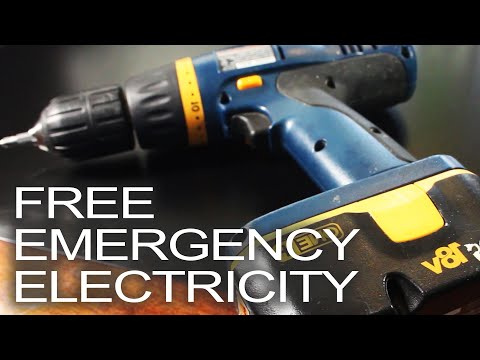
there’s no charge for this electricity in this project we’re making a 40 watt
in this project we’re making a 40 watt
in this project we’re making a 40 watt hand crank generator from these common
hand crank generator from these common
hand crank generator from these common household items
household items
household items [Music]
for this project let’s see if we can
for this project let’s see if we can make an emergency cell phone charger out
make an emergency cell phone charger out
make an emergency cell phone charger out of a cordless drill I have a USB charger
of a cordless drill I have a USB charger
of a cordless drill I have a USB charger that charges this phone from a USB port
that charges this phone from a USB port
that charges this phone from a USB port we don’t really need the USB head so
we don’t really need the USB head so
we don’t really need the USB head so let’s go ahead and cut that off then use
let’s go ahead and cut that off then use
let’s go ahead and cut that off then use some wire strippers to remove this outer
some wire strippers to remove this outer
some wire strippers to remove this outer layer the shielding can be pulled back
layer the shielding can be pulled back
layer the shielding can be pulled back revealing the four wires inside I’ve
revealing the four wires inside I’ve
revealing the four wires inside I’ve done this to both ends of the cable and
done this to both ends of the cable and
done this to both ends of the cable and strip the plastic from the ends of the
strip the plastic from the ends of the
strip the plastic from the ends of the wires most phone batteries need around 5
wires most phone batteries need around 5
wires most phone batteries need around 5 volts to charge now we can confirm that
volts to charge now we can confirm that
volts to charge now we can confirm that by plugging the USB head into the port
by plugging the USB head into the port
by plugging the USB head into the port and attaching some alligator clips to
and attaching some alligator clips to
and attaching some alligator clips to the red and black wires using a
the red and black wires using a
the red and black wires using a multimeter you can see just over 5 volts
multimeter you can see just over 5 volts
multimeter you can see just over 5 volts of direct current with the phone in
of direct current with the phone in
of direct current with the phone in series the circuit is completed when
series the circuit is completed when
series the circuit is completed when these wires touch and the phone senses
these wires touch and the phone senses
these wires touch and the phone senses power and lights up this little black
power and lights up this little black
power and lights up this little black plug symbol shows that it’s charging and
plug symbol shows that it’s charging and
plug symbol shows that it’s charging and it only appears when the phone gets
it only appears when the phone gets
it only appears when the phone gets around 5 volts ok let’s build our
around 5 volts ok let’s build our
around 5 volts ok let’s build our makeshift
makeshift
makeshift phone charger I have a cordless drill I
phone charger I have a cordless drill I
phone charger I have a cordless drill I think I can convert into an electrical
think I can convert into an electrical
think I can convert into an electrical generator by running it backwards I’ll
generator by running it backwards I’ll
generator by running it backwards I’ll remove the bit take the battery out and
remove the bit take the battery out and
remove the bit take the battery out and looking up into the handle you can see
looking up into the handle you can see
looking up into the handle you can see the two terminals where the battery
the two terminals where the battery
the two terminals where the battery would connect for testing I’ll attach
would connect for testing I’ll attach
would connect for testing I’ll attach alligator clips to both of them and then
alligator clips to both of them and then
alligator clips to both of them and then connect the leads to my multimeter when
connect the leads to my multimeter when
connect the leads to my multimeter when I pull the trigger and twist the
I pull the trigger and twist the
I pull the trigger and twist the rotating end of the drill I’m generating
rotating end of the drill I’m generating
rotating end of the drill I’m generating around 5 volts and that’s what we need
around 5 volts and that’s what we need
around 5 volts and that’s what we need to make this into an emergency cell
to make this into an emergency cell
to make this into an emergency cell phone charger let’s round up a piece of
phone charger let’s round up a piece of
phone charger let’s round up a piece of scrap 2×4
scrap 2×4
scrap 2×4 a wooden fork a ball of yarn a mixing
a wooden fork a ball of yarn a mixing
a wooden fork a ball of yarn a mixing beater a roll of tape and some aluminum
beater a roll of tape and some aluminum
beater a roll of tape and some aluminum foil the first thing we’ll need to do is
foil the first thing we’ll need to do is
foil the first thing we’ll need to do is secure the trigger in the on position it
secure the trigger in the on position it
secure the trigger in the on position it won’t work unless this button is fully
won’t work unless this button is fully
won’t work unless this button is fully pressed so let’s use plenty of yarn to
pressed so let’s use plenty of yarn to
pressed so let’s use plenty of yarn to secure that then fasten the drill to the
secure that then fasten the drill to the
secure that then fasten the drill to the 2×4 with as many wraps as it takes to
2×4 with as many wraps as it takes to
2×4 with as many wraps as it takes to hold it tight the mixing beater gets
hold it tight the mixing beater gets
hold it tight the mixing beater gets inserted into the drill chuck and when
inserted into the drill chuck and when
inserted into the drill chuck and when it’s fastened in tight we can double
it’s fastened in tight we can double
it’s fastened in tight we can double check there’s no slack when it rotates
check there’s no slack when it rotates
check there’s no slack when it rotates we’ll need the torque setting to be at
we’ll need the torque setting to be at
we’ll need the torque setting to be at its highest and confirm the drill is set
its highest and confirm the drill is set
its highest and confirm the drill is set to reverse now it’s time to rig the
to reverse now it’s time to rig the
to reverse now it’s time to rig the electrical system let’s rip this sheet
electrical system let’s rip this sheet
electrical system let’s rip this sheet of aluminum foil in two strips then fold
of aluminum foil in two strips then fold
of aluminum foil in two strips then fold into makeshift wires you can use copper
into makeshift wires you can use copper
into makeshift wires you can use copper wire if you have it but aluminum is
wire if you have it but aluminum is
wire if you have it but aluminum is still a good conductor and this foil
still a good conductor and this foil
still a good conductor and this foil will work in a pinch these ends are
will work in a pinch these ends are
will work in a pinch these ends are being rolled to a point and these other
being rolled to a point and these other
being rolled to a point and these other ends fold it over to make them a little
ends fold it over to make them a little
ends fold it over to make them a little thicker now the flat ends can be held in
thicker now the flat ends can be held in
thicker now the flat ends can be held in place under the terminal clips of the
place under the terminal clips of the
place under the terminal clips of the drill and since we made these wires so
drill and since we made these wires so
drill and since we made these wires so long let’s use the extra length to make
long let’s use the extra length to make
long let’s use the extra length to make sure they are well separated because
sure they are well separated because
sure they are well separated because they’ll short out if they touch a little
they’ll short out if they touch a little
they’ll short out if they touch a little tape will hold those temporarily until
tape will hold those temporarily until
tape will hold those temporarily until we can add some yarn to fasten them in
we can add some yarn to fasten them in
we can add some yarn to fasten them in place the red and black wires are
place the red and black wires are
place the red and black wires are stripped down about an inch and for this
stripped down about an inch and for this
stripped down about an inch and for this phone we don’t need these wires at all
phone we don’t need these wires at all
phone we don’t need these wires at all so one cut and they’re gone now the red
so one cut and they’re gone now the red
so one cut and they’re gone now the red and black wires are attached to the
and black wires are attached to the
and black wires are attached to the aluminum leads respecting the polarity
aluminum leads respecting the polarity
aluminum leads respecting the polarity of the drill in this case rhetta’s are
of the drill in this case rhetta’s are
of the drill in this case rhetta’s are positive and the black is are negative
positive and the black is are negative
positive and the black is are negative the wires are secured with some more
the wires are secured with some more
the wires are secured with some more yarn and all we need now is some
yarn and all we need now is some
yarn and all we need now is some leverage for our crank handle my wife
leverage for our crank handle my wife
leverage for our crank handle my wife salad fork will work and now that we’ve
salad fork will work and now that we’ve
salad fork will work and now that we’ve got our handle I’m thinking this is
got our handle I’m thinking this is
got our handle I’m thinking this is ready for a test
ready for a test
ready for a test I’ll start cranking to see what happens
I’ll start cranking to see what happens
I’ll start cranking to see what happens and look at that the phone lit right up
and look at that the phone lit right up
and look at that the phone lit right up it’s showing the little plug symbol so
it’s showing the little plug symbol so
it’s showing the little plug symbol so we know this is charging and if I stop
we know this is charging and if I stop
we know this is charging and if I stop the symbol goes away it looks like it’s
the symbol goes away it looks like it’s
the symbol goes away it looks like it’s working great so I’m going to take this
working great so I’m going to take this
working great so I’m going to take this inside and clamp it down to a table for
inside and clamp it down to a table for
inside and clamp it down to a table for better leverage the crank handle gets
better leverage the crank handle gets
better leverage the crank handle gets inserted and the system is powered up
inserted and the system is powered up
inserted and the system is powered up the charging symbol is flashing which
the charging symbol is flashing which
the charging symbol is flashing which means I need to crank just a little bit
means I need to crank just a little bit
means I need to crank just a little bit faster for stable power and there it is
faster for stable power and there it is
faster for stable power and there it is I’m cranking this at about 100 rpm to
I’m cranking this at about 100 rpm to
I’m cranking this at about 100 rpm to develop the 5 volts this phone needs to
develop the 5 volts this phone needs to
develop the 5 volts this phone needs to charge if I crank slower the phone won’t
charge if I crank slower the phone won’t
charge if I crank slower the phone won’t power up and if I crank too fast I risk
power up and if I crank too fast I risk
power up and if I crank too fast I risk damaging it just for the challenge I’m
damaging it just for the challenge I’m
damaging it just for the challenge I’m going to see how long it takes to
going to see how long it takes to
going to see how long it takes to recharge this battery from a completely
recharge this battery from a completely
recharge this battery from a completely discharged condition it seems to be
discharged condition it seems to be
discharged condition it seems to be taking quite a while when I think about
taking quite a while when I think about
taking quite a while when I think about it it takes quite a while even when it’s
it it takes quite a while even when it’s
it it takes quite a while even when it’s plugged in with a charger I’m coming up
plugged in with a charger I’m coming up
plugged in with a charger I’m coming up on three hours and I just saw the
on three hours and I just saw the
on three hours and I just saw the charging symbol flash off that means
charging symbol flash off that means
charging symbol flash off that means this battery isn’t accepting any more
this battery isn’t accepting any more
this battery isn’t accepting any more charge it’s done I can disconnect the
charge it’s done I can disconnect the
charge it’s done I can disconnect the charger cable and this phone is fully
charger cable and this phone is fully
charger cable and this phone is fully ready to go if this electrical generator
ready to go if this electrical generator
ready to go if this electrical generator will charge a phone I’m wondering if it
will charge a phone I’m wondering if it
will charge a phone I’m wondering if it will recharge a battery I’ve added metal
will recharge a battery I’ve added metal
will recharge a battery I’ve added metal magnets to the ends of a rechargeable
magnets to the ends of a rechargeable
magnets to the ends of a rechargeable double-a battery so that my alligator
double-a battery so that my alligator
double-a battery so that my alligator clips will attach easily by attaching
clips will attach easily by attaching
clips will attach easily by attaching the same wire to both ends
the same wire to both ends
the same wire to both ends we’ve shorted it out and the charge is
we’ve shorted it out and the charge is
we’ve shorted it out and the charge is being drained as quickly as possible and
being drained as quickly as possible and
being drained as quickly as possible and I can feel the battery getting hot
I can feel the battery getting hot
I can feel the battery getting hot this battery is completely dead now so
this battery is completely dead now so
this battery is completely dead now so to revive it I’m adding these lead wires
to revive it I’m adding these lead wires
to revive it I’m adding these lead wires in parallel with the system and
in parallel with the system and
in parallel with the system and connecting them to their respective
connecting them to their respective
connecting them to their respective terminals it takes about 15 minutes of
terminals it takes about 15 minutes of
terminals it takes about 15 minutes of cranking and it’s harder to turn the
cranking and it’s harder to turn the
cranking and it’s harder to turn the handle this time because I’m pushing a
handle this time because I’m pushing a
handle this time because I’m pushing a larger electrical current into the
larger electrical current into the
larger electrical current into the battery alright it’s done and a quick
battery alright it’s done and a quick
battery alright it’s done and a quick test on the meter shows that the battery
test on the meter shows that the battery
test on the meter shows that the battery is fully charged
is fully charged
is fully charged well that was educational I tried
well that was educational I tried
well that was educational I tried shorting the system out on my meter you
shorting the system out on my meter you
shorting the system out on my meter you got about 6 volts at 7 amps that’s over
got about 6 volts at 7 amps that’s over
got about 6 volts at 7 amps that’s over 40 watts of power I also tried hooking
40 watts of power I also tried hooking
40 watts of power I also tried hooking up an incandescent flashlight bulb and
up an incandescent flashlight bulb and
up an incandescent flashlight bulb and got it to fully illuminate a white LED
got it to fully illuminate a white LED
got it to fully illuminate a white LED was also tested and it was so bright it
was also tested and it was so bright it
was also tested and it was so bright it actually hurt my eyes to watch well
actually hurt my eyes to watch well
actually hurt my eyes to watch well there’s a makeshift electrical generator
there’s a makeshift electrical generator
there’s a makeshift electrical generator that you can make in a pinch that will
that you can make in a pinch that will
that you can make in a pinch that will charge batteries illuminate lights and
charge batteries illuminate lights and
charge batteries illuminate lights and generate around 40 watts on human power
generate around 40 watts on human power
generate around 40 watts on human power and it’s free that’s it for now if you
and it’s free that’s it for now if you
and it’s free that’s it for now if you liked this project perhaps you’ll like
liked this project perhaps you’ll like
liked this project perhaps you’ll like some of my others check them out at the
some of my others check them out at the
some of my others check them out at the king of random calm
”
Be First to Comment