
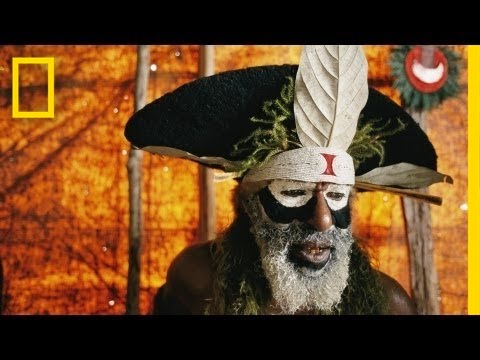
tribes constitute thousands of natural experiments in how to run a human
experiments in how to run a human
experiments in how to run a human society they constitute experiments from
society they constitute experiments from
society they constitute experiments from which we may learn we may be able to
which we may learn we may be able to
which we may learn we may be able to learn things of practical use to us in
learn things of practical use to us in
learn things of practical use to us in deciding how to raise our kids how to
deciding how to raise our kids how to
deciding how to raise our kids how to treat our older people and other things
treat our older people and other things
treat our older people and other things that we care a lot about the lives of
that we care a lot about the lives of
that we care a lot about the lives of the elderly constitute a disaster area
the elderly constitute a disaster area
the elderly constitute a disaster area of modern American society we can surely
of modern American society we can surely
of modern American society we can surely do better by learning from the lives of
do better by learning from the lives of
do better by learning from the lives of the elderly in traditional societies I
the elderly in traditional societies I
the elderly in traditional societies I [Music]
wanted to talk this evening about a
wanted to talk this evening about a topic in cultural geography to give me
topic in cultural geography to give me
topic in cultural geography to give me an idea of how many of you will find
an idea of how many of you will find
an idea of how many of you will find what I’m going to say this evening of
what I’m going to say this evening of
what I’m going to say this evening of practical value I’d like to begin by
practical value I’d like to begin by
practical value I’d like to begin by asking you to raise your hands in
asking you to raise your hands in
asking you to raise your hands in response to either of two questions
response to either of two questions
response to either of two questions first let me ask you to raise your hands
first let me ask you to raise your hands
first let me ask you to raise your hands if you fall into any of the following
if you fall into any of the following
if you fall into any of the following categories if you’re over 65 or if you
categories if you’re over 65 or if you
categories if you’re over 65 or if you hope to live past age 65 or if you have
hope to live past age 65 or if you have
hope to live past age 65 or if you have any parent or grandparent who has or did
any parent or grandparent who has or did
any parent or grandparent who has or did live past age 65 would you please raise
live past age 65 would you please raise
live past age 65 would you please raise your hands many positive responses
your hands many positive responses
your hands many positive responses secondly if you are now under 65 and
secondly if you are now under 65 and
secondly if you are now under 65 and have no intention of living past 65 and
have no intention of living past 65 and
have no intention of living past 65 and have no parent or grandparent who
have no parent or grandparent who
have no parent or grandparent who cleared 65 would you please raise your
cleared 65 would you please raise your
cleared 65 would you please raise your hands not much response there but those
hands not much response there but those
hands not much response there but those of you in the first category it’s you
of you in the first category it’s you
of you in the first category it’s you who will find my talk this evening to be
who will find my talk this evening to be
who will find my talk this evening to be a practical value and any of you in the
a practical value and any of you in the
a practical value and any of you in the second category will still find what I’m
second category will still find what I’m
second category will still find what I’m going to talk about this evening
going to talk about this evening
going to talk about this evening fascinating even if it isn’t personally
fascinating even if it isn’t personally
fascinating even if it isn’t personally relevant to you I’m going to talk about
relevant to you I’m going to talk about
relevant to you I’m going to talk about growing older in traditional societies
growing older in traditional societies
growing older in traditional societies this subject constitutes just one
this subject constitutes just one
this subject constitutes just one chapter of my
chapter of my
chapter of my latest book which compares traditional
latest book which compares traditional
latest book which compares traditional small tribal societies with our big
small tribal societies with our big
small tribal societies with our big modern societies all of us here this
modern societies all of us here this
modern societies all of us here this evening are accustomed to living in big
evening are accustomed to living in big
evening are accustomed to living in big industrial societies in permanent
industrial societies in permanent
industrial societies in permanent housing with centralized governments to
housing with centralized governments to
housing with centralized governments to make decisions with writing and books
make decisions with writing and books
make decisions with writing and books and the internet where most people live
and the internet where most people live
and the internet where most people live past age 60 where we are constantly
past age 60 where we are constantly
past age 60 where we are constantly encountering strangers just as all of us
encountering strangers just as all of us
encountering strangers just as all of us are this evening without freaking out
are this evening without freaking out
are this evening without freaking out and where most of us eat food grown by
and where most of us eat food grown by
and where most of us eat food grown by other people we forget that all of those
other people we forget that all of those
other people we forget that all of those things arose very recently in human
things arose very recently in human
things arose very recently in human history humans have constituted a
history humans have constituted a
history humans have constituted a separate line of evolution for about 6
separate line of evolution for about 6
separate line of evolution for about 6 million years but almost all of the
million years but almost all of the
million years but almost all of the things that I just mentioned didn’t
things that I just mentioned didn’t
things that I just mentioned didn’t exist anywhere in the world eleven
exist anywhere in the world eleven
exist anywhere in the world eleven thousand years ago they rose just within
thousand years ago they rose just within
thousand years ago they rose just within the last 11 thousand years and some of
the last 11 thousand years and some of
the last 11 thousand years and some of them such as the internet and the
them such as the internet and the
them such as the internet and the phenomenon of most people living past
phenomenon of most people living past
phenomenon of most people living past age 60 or only within the last century
age 60 or only within the last century
age 60 or only within the last century or two that is the ancestors of all of
or two that is the ancestors of all of
or two that is the ancestors of all of us here were living under traditional
us here were living under traditional
us here were living under traditional tribal conditions until virtually
tribal conditions until virtually
tribal conditions until virtually yesterday measured on the timescale of
yesterday measured on the timescale of
yesterday measured on the timescale of human evolution until Europeans began to
human evolution until Europeans began to
human evolution until Europeans began to expand around the globe 500 years ago
expand around the globe 500 years ago
expand around the globe 500 years ago tribal societies still occupied large
tribal societies still occupied large
tribal societies still occupied large parts of all continents but tribal
parts of all continents but tribal
parts of all continents but tribal societies have recently been coming
societies have recently been coming
societies have recently been coming under the control of modern societies
under the control of modern societies
under the control of modern societies with state governments to the point
with state governments to the point
with state governments to the point where today the last tribal societies
where today the last tribal societies
where today the last tribal societies not yet under state control are confined
not yet under state control are confined
not yet under state control are confined to small areas of New Guinea and the
to small areas of New Guinea and the
to small areas of New Guinea and the Amazon basin those tribal societies
Amazon basin those tribal societies
Amazon basin those tribal societies which constituted all human societies
which constituted all human societies
which constituted all human societies for most of human history are far more
for most of human history are far more
for most of human history are far more diverse than our modern big societies
diverse than our modern big societies
diverse than our modern big societies all big societies that have governments
all big societies that have governments
all big societies that have governments and where most people are strangers to
and where most people are strangers to
and where most people are strangers to each other all of those big societies
each other all of those big societies
each other all of those big societies are similar to each other and different
are similar to each other and different
are similar to each other and different from tribal societies in many basic ways
from tribal societies in many basic ways
from tribal societies in many basic ways regardless of whether the big societies
regardless of whether the big societies
regardless of whether the big societies are American
are American
are American German Chinese or Israeli tribes
German Chinese or Israeli tribes
German Chinese or Israeli tribes constitute thousands of natural
constitute thousands of natural
constitute thousands of natural experiments in how to run a human
experiments in how to run a human
experiments in how to run a human society they constitute experiments from
society they constitute experiments from
society they constitute experiments from which we may be able to learn we may be
which we may be able to learn we may be
which we may be able to learn we may be able to learn things of practical use to
able to learn things of practical use to
able to learn things of practical use to us in deciding how to raise our kids how
us in deciding how to raise our kids how
us in deciding how to raise our kids how to treat our older people how to remain
to treat our older people how to remain
to treat our older people how to remain healthy and other things that we care a
healthy and other things that we care a
healthy and other things that we care a lot about the treatment of the elderly
lot about the treatment of the elderly
lot about the treatment of the elderly varies enormous ly among traditional
varies enormous ly among traditional
varies enormous ly among traditional societies from much worse to much better
societies from much worse to much better
societies from much worse to much better than in our modern societies at the
than in our modern societies at the
than in our modern societies at the worst extreme many traditional societies
worst extreme many traditional societies
worst extreme many traditional societies get rid of their elderly in one of five
get rid of their elderly in one of five
get rid of their elderly in one of five increasingly direct ways the most
increasingly direct ways the most
increasingly direct ways the most indirect method to get rid of the
indirect method to get rid of the
indirect method to get rid of the elderly is just to neglect old people
elderly is just to neglect old people
elderly is just to neglect old people and not to feed them or to clean them
and not to feed them or to clean them
and not to feed them or to clean them until they die the second method is to
until they die the second method is to
until they die the second method is to abandon them when the group moves the
abandon them when the group moves the
abandon them when the group moves the third method is to encourage older
third method is to encourage older
third method is to encourage older people to commit suicide
people to commit suicide
people to commit suicide a fourth more direct method is to kill
a fourth more direct method is to kill
a fourth more direct method is to kill all the people with their own
all the people with their own
all the people with their own cooperation for example among the cow
cooperation for example among the cow
cooperation for example among the cow long people of Papua New Guinea a widow
long people of Papua New Guinea a widow
long people of Papua New Guinea a widow whose husband has just died
whose husband has just died
whose husband has just died traditionally asked her brothers or sons
traditionally asked her brothers or sons
traditionally asked her brothers or sons to come strangle her and the fifth and
to come strangle her and the fifth and
to come strangle her and the fifth and most direct method of getting rid of the
most direct method of getting rid of the
most direct method of getting rid of the elderly is to kill them without their
elderly is to kill them without their
elderly is to kill them without their consent or cooperation in what tribal
consent or cooperation in what tribal
consent or cooperation in what tribal societies do children abandon or kill
societies do children abandon or kill
societies do children abandon or kill their parents it happens mainly under
their parents it happens mainly under
their parents it happens mainly under two sets of conditions one is in nomadic
two sets of conditions one is in nomadic
two sets of conditions one is in nomadic hunter-gatherer societies that often
hunter-gatherer societies that often
hunter-gatherer societies that often shift camp and that are physically
shift camp and that are physically
shift camp and that are physically incapable of transporting old people who
incapable of transporting old people who
incapable of transporting old people who can’t walk when the able-bodied young
can’t walk when the able-bodied young
can’t walk when the able-bodied young people already have to carry their young
people already have to carry their young
people already have to carry their young children and all of their physical
children and all of their physical
children and all of their physical possessions the other condition is in
possessions the other condition is in
possessions the other condition is in societies living in marginal or
societies living in marginal or
societies living in marginal or fluctuating environments such as the
fluctuating environments such as the
fluctuating environments such as the Arctic or deserts where there are
Arctic or deserts where there are
Arctic or deserts where there are periodic food shortages and occasionally
periodic food shortages and occasionally
periodic food shortages and occasionally there just isn’t enough food to keep
there just isn’t enough food to keep
there just isn’t enough food to keep everybody alive what has to choose
everybody alive what has to choose
everybody alive what has to choose whatever food is available has to be
whatever food is available has to be
whatever food is available has to be reserved for the able-bodied people
reserved for the able-bodied people
reserved for the able-bodied people still capable of contributing to the
still capable of contributing to the
still capable of contributing to the tribes survival and to the children who
tribes survival and to the children who
tribes survival and to the children who will grow up to be the tribes future
will grow up to be the tribes future
will grow up to be the tribes future adults to us modern Americans it sounds
adults to us modern Americans it sounds
adults to us modern Americans it sounds horrible to think of abandoning or
horrible to think of abandoning or
horrible to think of abandoning or killing your own sick spouse or your own
killing your own sick spouse or your own
killing your own sick spouse or your own elderly parent but what else could those
elderly parent but what else could those
elderly parent but what else could those societies do they face a cruel choice
societies do they face a cruel choice
societies do they face a cruel choice the old people had to do it to their own
the old people had to do it to their own
the old people had to do it to their own parents and the old people know what now
parents and the old people know what now
parents and the old people know what now is going to happen to them in fact many
is going to happen to them in fact many
is going to happen to them in fact many of us many of you here have already
of us many of you here have already
of us many of you here have already faced well you will face an ordeal
faced well you will face an ordeal
faced well you will face an ordeal similar to the ordeal faced by those
similar to the ordeal faced by those
similar to the ordeal faced by those nomadic or Arctic or desert tribal
nomadic or Arctic or desert tribal
nomadic or Arctic or desert tribal society when you are the physician or
society when you are the physician or
society when you are the physician or when you are the relative responsible
when you are the relative responsible
when you are the relative responsible for the medical care of an old person
for the medical care of an old person
for the medical care of an old person and when you’re the one who has to
and when you’re the one who has to
and when you’re the one who has to decide whether and when to hold further
decide whether and when to hold further
decide whether and when to hold further medical interventions and when just to
medical interventions and when just to
medical interventions and when just to administer painkillers and sedatives for
administer painkillers and sedatives for
administer painkillers and sedatives for a sick spouse or parent at the opposite
a sick spouse or parent at the opposite
a sick spouse or parent at the opposite extreme in the treatment of the elderly
extreme in the treatment of the elderly
extreme in the treatment of the elderly the happy extreme or the New Guinea
the happy extreme or the New Guinea
the happy extreme or the New Guinea farming societies where I’ve been doing
farming societies where I’ve been doing
farming societies where I’ve been doing my fieldwork for the past 50 years and
my fieldwork for the past 50 years and
my fieldwork for the past 50 years and many other sedentary traditional
many other sedentary traditional
many other sedentary traditional societies around the world in those
societies around the world in those
societies around the world in those societies all the people are generally
societies all the people are generally
societies all the people are generally cared for the affair they remain
cared for the affair they remain
cared for the affair they remain valuable and they continue to live in
valuable and they continue to live in
valuable and they continue to live in the same hot or else in a nearby Hut
the same hot or else in a nearby Hut
the same hot or else in a nearby Hut near their children relatives and
near their children relatives and
near their children relatives and lifelong friends in traditional New
lifelong friends in traditional New
lifelong friends in traditional New Guinea societies where there aren’t
Guinea societies where there aren’t
Guinea societies where there aren’t dentists and where all the people
dentists and where all the people
dentists and where all the people gradually lose their teeth and can no
gradually lose their teeth and can no
gradually lose their teeth and can no longer chew their own food their adult
longer chew their own food their adult
longer chew their own food their adult children chew the food until it’s soft
children chew the food until it’s soft
children chew the food until it’s soft spitting into a cup and give that soft
spitting into a cup and give that soft
spitting into a cup and give that soft food to the toothless old person to eat
food to the toothless old person to eat
food to the toothless old person to eat I don’t know of any modern Western
I don’t know of any modern Western
I don’t know of any modern Western society in which such
society in which such
society in which such care of old people is routine there were
care of old people is routine there were
care of old people is routine there were two main sets of reasons for this
two main sets of reasons for this
two main sets of reasons for this variation among societies in their
variation among societies in their
variation among societies in their treatment of old people the variation
treatment of old people the variation
treatment of old people the variation depends upon the usefulness of old
depends upon the usefulness of old
depends upon the usefulness of old people and on the Society’s values first
people and on the Society’s values first
people and on the Society’s values first as regards usefulness older people
as regards usefulness older people
as regards usefulness older people continue to perform valuable services in
continue to perform valuable services in
continue to perform valuable services in traditional societies and also in our
traditional societies and also in our
traditional societies and also in our modern societies one use of older people
modern societies one use of older people
modern societies one use of older people in traditional societies is that they
in traditional societies is that they
in traditional societies is that they often are still effective at producing
often are still effective at producing
often are still effective at producing food for example among Hadza
food for example among Hadza
food for example among Hadza hunter-gatherers of Tanzania in Africa
hunter-gatherers of Tanzania in Africa
hunter-gatherers of Tanzania in Africa grandmother’s are the most productive
grandmother’s are the most productive
grandmother’s are the most productive women at finding and digging up wild
women at finding and digging up wild
women at finding and digging up wild edible roots because grandmothers have
edible roots because grandmothers have
edible roots because grandmothers have much more experience than do young women
much more experience than do young women
much more experience than do young women finding the roots and they often still
finding the roots and they often still
finding the roots and they often still have the necessary strength
have the necessary strength
have the necessary strength hence measurements show that the growth
hence measurements show that the growth
hence measurements show that the growth rate of the Hadza grandchild increases
rate of the Hadza grandchild increases
rate of the Hadza grandchild increases with the amount of time that the child’s
with the amount of time that the child’s
with the amount of time that the child’s grandmother spends foraging for food for
grandmother spends foraging for food for
grandmother spends foraging for food for the child while older has a
the child while older has a
the child while older has a hunter-gatherer of men they no longer
hunter-gatherer of men they no longer
hunter-gatherer of men they no longer have the strength needed to spear a lion
have the strength needed to spear a lion
have the strength needed to spear a lion they may still be useful at following
they may still be useful at following
they may still be useful at following animal tracks and at capturing small or
animal tracks and at capturing small or
animal tracks and at capturing small or slow prey that value of the experience
slow prey that value of the experience
slow prey that value of the experience of older people in traditional societies
of older people in traditional societies
of older people in traditional societies has also been confirmed for modern
has also been confirmed for modern
has also been confirmed for modern farming societies among
farming societies among
farming societies among nineteenth-century Canadian and Finnish
nineteenth-century Canadian and Finnish
nineteenth-century Canadian and Finnish farmers each decade that a grandmother
farmers each decade that a grandmother
farmers each decade that a grandmother survived past age 50 was correlated with
survived past age 50 was correlated with
survived past age 50 was correlated with two extra grandchildren of that
two extra grandchildren of that
two extra grandchildren of that grandmother eventually surviving because
grandmother eventually surviving because
grandmother eventually surviving because of the resources made available by the
of the resources made available by the
of the resources made available by the grandmother another traditional
grandmother another traditional
grandmother another traditional usefulness of older people consists of
usefulness of older people consists of
usefulness of older people consists of babysitting their grandchildren thereby
babysitting their grandchildren thereby
babysitting their grandchildren thereby freeing up their own adult children the
freeing up their own adult children the
freeing up their own adult children the parents of those grandchildren to go
parents of those grandchildren to go
parents of those grandchildren to go hunting and gathering food for the
hunting and gathering food for the
hunting and gathering food for the grandchildren
grandchildren
grandchildren finally older people in traditional
finally older people in traditional
finally older people in traditional societies have one more huge
societies have one more huge
societies have one more huge significance
significance
significance that would never occur to us in modern
that would never occur to us in modern
that would never occur to us in modern literate societies where our sources of
literate societies where our sources of
literate societies where our sources of information are books and the internet
information are books and the internet
information are books and the internet in contrast in traditional societies
in contrast in traditional societies
in contrast in traditional societies without writing older people are the
without writing older people are the
without writing older people are the repositories of information their
repositories of information their
repositories of information their knowledge spells the difference between
knowledge spells the difference between
knowledge spells the difference between survival and death for their whole
survival and death for their whole
survival and death for their whole society in a time of crisis caused by
society in a time of crisis caused by
society in a time of crisis caused by rare events of which only the oldest
rare events of which only the oldest
rare events of which only the oldest people alive have had experience in non
people alive have had experience in non
people alive have had experience in non literate traditional societies the
literate traditional societies the
literate traditional societies the knowledge of all the people spells the
knowledge of all the people spells the
knowledge of all the people spells the difference between life and death for
difference between life and death for
difference between life and death for the entire society the other set of
the entire society the other set of
the entire society the other set of reasons for variation and treatment of
reasons for variation and treatment of
reasons for variation and treatment of the elderly is the Society’s cultural
the elderly is the Society’s cultural
the elderly is the Society’s cultural values cultural values that emphasize
values cultural values that emphasize
values cultural values that emphasize respect for all the people such as
respect for all the people such as
respect for all the people such as philia piety and patriarchal families
philia piety and patriarchal families
philia piety and patriarchal families contrasts with the low status of the
contrasts with the low status of the
contrasts with the low status of the elderly in the United States older
elderly in the United States older
elderly in the United States older Americans are at a disadvantage in job
Americans are at a disadvantage in job
Americans are at a disadvantage in job applications for example a sociologist
applications for example a sociologist
applications for example a sociologist of Boston University carried out the
of Boston University carried out the
of Boston University carried out the experiment of submitting dozens of job
experiment of submitting dozens of job
experiment of submitting dozens of job applications in response to ads by
applications in response to ads by
applications in response to ads by prospective employers all the
prospective employers all the
prospective employers all the applications had fictitious names of
applications had fictitious names of
applications had fictitious names of women and all the applications were
women and all the applications were
women and all the applications were identical except that half of the
identical except that half of the
identical except that half of the applications said that the woman’s age
applications said that the woman’s age
applications said that the woman’s age was 25 to 40 while the other half the
was 25 to 40 while the other half the
was 25 to 40 while the other half the application said that her age was 45 to
application said that her age was 45 to
application said that her age was 45 to 60 the result of the experiment was that
60 the result of the experiment was that
60 the result of the experiment was that employers were twice as likely to call a
employers were twice as likely to call a
employers were twice as likely to call a woman age 25 to 40 for a job interview
woman age 25 to 40 for a job interview
woman age 25 to 40 for a job interview than a woman aged 45 to 60 there are
than a woman aged 45 to 60 there are
than a woman aged 45 to 60 there are several reasons for this low status of
several reasons for this low status of
several reasons for this low status of the elderly in the United States one is
the elderly in the United States one is
the elderly in the United States one is our Protestant work ethic which places
our Protestant work ethic which places
our Protestant work ethic which places high value on work so older people who
high value on work so older people who
high value on work so older people who are no longer working on respected
are no longer working on respected
are no longer working on respected another reason is our American emphasis
another reason is our American emphasis
another reason is our American emphasis on the virtues of self-reliance and
on the virtues of self-reliance and
on the virtues of self-reliance and independence so that we instinctively
independence so that we instinctively
independence so that we instinctively scorn all the people who are no longer
scorn all the people who are no longer
scorn all the people who are no longer self-reliant and independent until a
self-reliant and independent until a
self-reliant and independent until a third reason is our American
third reason is our American
third reason is our American cult of youth that shows up even in our
cult of youth that shows up even in our
cult of youth that shows up even in our advertisements ads for coca-cola and
advertisements ads for coca-cola and
advertisements ads for coca-cola and beer always depict smiling young people
beer always depict smiling young people
beer always depict smiling young people even though old people as well as young
even though old people as well as young
even though old people as well as young people buy coca-cola and beer well what
people buy coca-cola and beer well what
people buy coca-cola and beer well what has changed in the status of the elderly
has changed in the status of the elderly
has changed in the status of the elderly today compared to their status in
today compared to their status in
today compared to their status in traditional societies there have been a
traditional societies there have been a
traditional societies there have been a few changes for the better and more
few changes for the better and more
few changes for the better and more changes for the worse big changes for
changes for the worse big changes for
changes for the worse big changes for the better include the facts that today
the better include the facts that today
the better include the facts that today we enjoy much longer lives much better
we enjoy much longer lives much better
we enjoy much longer lives much better health in our old age and much better
health in our old age and much better
health in our old age and much better recreational opportunities changes for
recreational opportunities changes for
recreational opportunities changes for the worse start with a cruel reality
the worse start with a cruel reality
the worse start with a cruel reality that we now have far more old people and
that we now have far more old people and
that we now have far more old people and fewer young people than at any time in
fewer young people than at any time in
fewer young people than at any time in the past that means that all those old
the past that means that all those old
the past that means that all those old people are more of a burden on the few
people are more of a burden on the few
people are more of a burden on the few young people and that each old person
young people and that each old person
young people and that each old person has less individual value another big
has less individual value another big
has less individual value another big change for the worse and the status of
change for the worse and the status of
change for the worse and the status of the elderly is the breaking of social
the elderly is the breaking of social
the elderly is the breaking of social ties with age because all the people
ties with age because all the people
ties with age because all the people their children and their friends all
their children and their friends all
their children and their friends all move and scatter independently of each
move and scatter independently of each
move and scatter independently of each other
other
other many times during their lives the
many times during their lives the
many times during their lives the average American moves every five years
average American moves every five years
average American moves every five years and so all the people are likely to end
and so all the people are likely to end
and so all the people are likely to end up living distant from their children
up living distant from their children
up living distant from their children and the Friends of their youth but
and the Friends of their youth but
and the Friends of their youth but perhaps the biggest of all the changes
perhaps the biggest of all the changes
perhaps the biggest of all the changes for the worse on the status of I Olli is
for the worse on the status of I Olli is
for the worse on the status of I Olli is that they are objectively less useful
that they are objectively less useful
that they are objectively less useful than in traditional societies widespread
than in traditional societies widespread
than in traditional societies widespread literacy means that they are no longer
literacy means that they are no longer
literacy means that they are no longer useful as repositories of knowledge when
useful as repositories of knowledge when
useful as repositories of knowledge when we want some information we look it up
we want some information we look it up
we want some information we look it up in a book or we Google it instead of
in a book or we Google it instead of
in a book or we Google it instead of finding some old person to ask
finding some old person to ask
finding some old person to ask finally the slow pace of technological
finally the slow pace of technological
finally the slow pace of technological change in traditional societies means
change in traditional societies means
change in traditional societies means that what someone learns there as a
that what someone learns there as a
that what someone learns there as a child is still useful when that person
child is still useful when that person
child is still useful when that person is old but the rapid pace of
is old but the rapid pace of
is old but the rapid pace of technological change today means that
technological change today means that
technological change today means that what we learn as children is no longer
what we learn as children is no longer
what we learn as children is no longer useful 60 years later and it also means
useful 60 years later and it also means
useful 60 years later and it also means that we older people aren’t fluent in
that we older people aren’t fluent in
that we older people aren’t fluent in the technologies essential to
the technologies essential to
the technologies essential to iving in modern society today just to
iving in modern society today just to
iving in modern society today just to watch a television program on the
watch a television program on the
watch a television program on the television set in my own house I have to
television set in my own house I have to
television set in my own house I have to operate a 40 one-button TV remote that I
operate a 40 one-button TV remote that I
operate a 40 one-button TV remote that I find utterly confusing even though my
find utterly confusing even though my
find utterly confusing even though my sons have written out the instructions
sons have written out the instructions
sons have written out the instructions for me to watch television I have to
for me to watch television I have to
for me to watch television I have to telephone my 25 year old sons and I have
telephone my 25 year old sons and I have
telephone my 25 year old sons and I have to ask them to talk me through it while
to ask them to talk me through it while
to ask them to talk me through it while I attempt to follow their instructions
I attempt to follow their instructions
I attempt to follow their instructions and push those wretched 41 buttons what
and push those wretched 41 buttons what
and push those wretched 41 buttons what can we do to improve the lives of the
can we do to improve the lives of the
can we do to improve the lives of the elderly in the US and to make better use
elderly in the US and to make better use
elderly in the US and to make better use of their value that’s a huge problem one
of their value that’s a huge problem one
of their value that’s a huge problem one value of old people is that they are
value of old people is that they are
value of old people is that they are increasingly useful for offering high
increasingly useful for offering high
increasingly useful for offering high quality childcare as more and more young
quality childcare as more and more young
quality childcare as more and more young women into the workforce and as fewer
women into the workforce and as fewer
women into the workforce and as fewer young parents stay home as full-time
young parents stay home as full-time
young parents stay home as full-time caretakers of their children at the same
caretakers of their children at the same
caretakers of their children at the same time all the people have gained in value
time all the people have gained in value
time all the people have gained in value today precisely because of their unique
today precisely because of their unique
today precisely because of their unique experience of former conditions that
experience of former conditions that
experience of former conditions that have now become rare because of rapid
have now become rare because of rapid
have now become rare because of rapid change but that could come back for
change but that could come back for
change but that could come back for example only people in their 70s or
example only people in their 70s or
example only people in their 70s or older today can remember the experience
older today can remember the experience
older today can remember the experience of living through a Great Depression can
of living through a Great Depression can
of living through a Great Depression can remember the experience of living
remember the experience of living
remember the experience of living through a world war the experience of
through a world war the experience of
through a world war the experience of living through food and gas rationing
living through food and gas rationing
living through food and gas rationing and the experience of debating whether
and the experience of debating whether
and the experience of debating whether or not dropping atomic bombs would be
or not dropping atomic bombs would be
or not dropping atomic bombs would be more horrible than the likely
more horrible than the likely
more horrible than the likely consequences of not dropping atomic
consequences of not dropping atomic
consequences of not dropping atomic bombs older people had that experience
bombs older people had that experience
bombs older people had that experience younger people don’t we can surely do
younger people don’t we can surely do
younger people don’t we can surely do better by learning from the lives of the
better by learning from the lives of the
better by learning from the lives of the elderly and traditional societies their
elderly and traditional societies their
elderly and traditional societies their lives are usually socially far richer
lives are usually socially far richer
lives are usually socially far richer than our lives
than our lives
than our lives although materially poorer their
although materially poorer their
although materially poorer their children are often perhaps usually more
children are often perhaps usually more
children are often perhaps usually more self-confident more independent more
self-confident more independent more
self-confident more independent more socially skilled more precocious than
socially skilled more precocious than
socially skilled more precocious than are our children they never die almost
are our children they never die almost
are our children they never die almost never die of diabetes heart disease high
never die of diabetes heart disease high
never die of diabetes heart disease high blood pressure stroke and the other non
blood pressure stroke and the other non
blood pressure stroke and the other non communicable diseases
communicable diseases
communicable diseases that would be the causes of death of
that would be the causes of death of
that would be the causes of death of most of us in this room today those are
most of us in this room today those are
most of us in this room today those are just some examples of what we can learn
just some examples of what we can learn
just some examples of what we can learn from traditional societies I hope that
from traditional societies I hope that
from traditional societies I hope that all of you will find it as fascinating
all of you will find it as fascinating
all of you will find it as fascinating to read in my book about traditional
to read in my book about traditional
to read in my book about traditional societies as I’ve found to live in them
societies as I’ve found to live in them
societies as I’ve found to live in them [Applause]
”
Be First to Comment