
the last 50 years we have made these extraordinary discoveries that change
extraordinary discoveries that change
extraordinary discoveries that change the world
the world
the world I’ll guarantee you we will never make
I’ll guarantee you we will never make
I’ll guarantee you we will never make that next discover if we don’t keep
that next discover if we don’t keep
that next discover if we don’t keep exploring space exploration raises what
exploring space exploration raises what
exploring space exploration raises what we believe we can accomplish it brings
we believe we can accomplish it brings
we believe we can accomplish it brings out the best in us and it is an
out the best in us and it is an
out the best in us and it is an extraordinary value
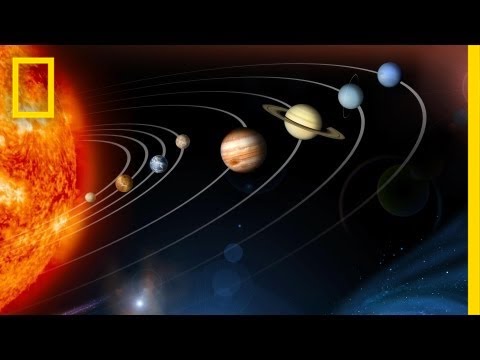
I was celebrating 50 years of solar
I was celebrating 50 years of solar system exploration when I when I was a
system exploration when I when I was a
system exploration when I when I was a kid the Mariner 2 spacecraft flew by
kid the Mariner 2 spacecraft flew by
kid the Mariner 2 spacecraft flew by Venus and the big discovery was for me
Venus and the big discovery was for me
Venus and the big discovery was for me that astonish means Venus turns the
that astonish means Venus turns the
that astonish means Venus turns the wrong way and then you ask yourself well
wrong way and then you ask yourself well
wrong way and then you ask yourself well what does that mean the wrong way who
what does that mean the wrong way who
what does that mean the wrong way who gets to say what’s right and that right
gets to say what’s right and that right
gets to say what’s right and that right there I remember that moment where you
there I remember that moment where you
there I remember that moment where you you get to question things it’s okay to
you get to question things it’s okay to
you get to question things it’s okay to to change what you expected with with
to change what you expected with with
to change what you expected with with the facts and this is what I find so
the facts and this is what I find so
the facts and this is what I find so compelling space exploration brings out
compelling space exploration brings out
compelling space exploration brings out the best in us it brings out the best in
the best in us it brings out the best in
the best in us it brings out the best in people and as Carl Sagan used to say
people and as Carl Sagan used to say
people and as Carl Sagan used to say when you’re loved you want to tell the
when you’re loved you want to tell the
when you’re loved you want to tell the world and we have here tonight the
world and we have here tonight the
world and we have here tonight the people that created that legacy and I
people that created that legacy and I
people that created that legacy and I believe we have here in the room the
believe we have here in the room the
believe we have here in the room the people that will carry it on well you
people that will carry it on well you
people that will carry it on well you know 50 years ago little Mar Mar Mariner
know 50 years ago little Mar Mar Mariner
know 50 years ago little Mar Mar Mariner 2 started on a it’s historic journey to
2 started on a it’s historic journey to
2 started on a it’s historic journey to Venus in August of 1962 and it was a 100
Venus in August of 1962 and it was a 100
Venus in August of 1962 and it was a 100 day mission to get the Venus and it made
day mission to get the Venus and it made
day mission to get the Venus and it made it just barely it had three weeks to
it just barely it had three weeks to
it just barely it had three weeks to spare and established really the
spare and established really the
spare and established really the beginning of a new age of exploration
beginning of a new age of exploration
beginning of a new age of exploration which is what we’re going to be talking
which is what we’re going to be talking
which is what we’re going to be talking about tonight in which you all read
about tonight in which you all read
about tonight in which you all read about in your textbook every year when
about in your textbook every year when
about in your textbook every year when you when you study the planets it’s
you when you study the planets it’s
you when you study the planets it’s interesting that just three years after
interesting that just three years after
interesting that just three years after that historic flyby a graduate student
that historic flyby a graduate student
that historic flyby a graduate student Caltech Dean Gary flandro was studying
Caltech Dean Gary flandro was studying
Caltech Dean Gary flandro was studying the orbits of planets at JPL and
the orbits of planets at JPL and
the orbits of planets at JPL and discovered that every hundred and
discovered that every hundred and
discovered that every hundred and seventy-six years all four the giant
seventy-six years all four the giant
seventy-six years all four the giant planets Jupiter Saturn Uranus and
planets Jupiter Saturn Uranus and
planets Jupiter Saturn Uranus and Neptune are lined up so a single
Neptune are lined up so a single
Neptune are lined up so a single spacecraft can fly by so you’re saying
spacecraft can fly by so you’re saying
spacecraft can fly by so you’re saying that once every 176 years
that once every 176 years
that once every 176 years so who was it be Thomas Jefferson
so who was it be Thomas Jefferson
so who was it be Thomas Jefferson Jefferson right
Jefferson right
Jefferson right he had the planets lined up and he
he had the planets lined up and he
he had the planets lined up and he missed he didn’t do anything about head
missed he didn’t do anything about head
missed he didn’t do anything about head and dog
but it was a big challenge you can see
but it was a big challenge you can see was remember a hundred days to Venus to
was remember a hundred days to Venus to
was remember a hundred days to Venus to get to Neptune was 12 years and Neptune
get to Neptune was 12 years and Neptune
get to Neptune was 12 years and Neptune has 30 times as far from the Sun as the
has 30 times as far from the Sun as the
has 30 times as far from the Sun as the earth so the sunlight is much much
earth so the sunlight is much much
earth so the sunlight is much much dimmer out there so those are some of
dimmer out there so those are some of
dimmer out there so those are some of the challenges but JPL designed a
the challenges but JPL designed a
the challenges but JPL designed a spacecraft called Voyager was launched
spacecraft called Voyager was launched
spacecraft called Voyager was launched we started on in 1972 40 years ago
we started on in 1972 40 years ago
we started on in 1972 40 years ago was two of them were launched in 1977
was two of them were launched in 1977
was two of them were launched in 1977 but Mariner 2 on its way to Venus it
but Mariner 2 on its way to Venus it
but Mariner 2 on its way to Venus it also found for the first time measured
also found for the first time measured
also found for the first time measured directly the fact that from the Sun
directly the fact that from the Sun
directly the fact that from the Sun there’s a million mile per hour wind
there’s a million mile per hour wind
there’s a million mile per hour wind blowing radii outward creating a huge
blowing radii outward creating a huge
blowing radii outward creating a huge bubble around the Sun called the
bubble around the Sun called the
bubble around the Sun called the heliosphere and today the two voyagers
heliosphere and today the two voyagers
heliosphere and today the two voyagers are on the journey to interstellar space
are on the journey to interstellar space
are on the journey to interstellar space to leave the bubble today Voyager 1 is
to leave the bubble today Voyager 1 is
to leave the bubble today Voyager 1 is 11 billion miles from Earth 122
11 billion miles from Earth 122
11 billion miles from Earth 122 astronomical units from the Sun it is
astronomical units from the Sun it is
astronomical units from the Sun it is very near the edge of interstellar space
very near the edge of interstellar space
very near the edge of interstellar space and will soon become our first
and will soon become our first
and will soon become our first interstellar probe observing and being
interstellar probe observing and being
interstellar probe observing and being immersed in material that has come from
immersed in material that has come from
immersed in material that has come from other stars than our own Sun so that’s
other stars than our own Sun so that’s
other stars than our own Sun so that’s just part of the legacy from the many
just part of the legacy from the many
just part of the legacy from the many missions which in fact have changed our
missions which in fact have changed our
missions which in fact have changed our view of the solar system and in fact
view of the solar system and in fact
view of the solar system and in fact which will continue to be changed by the
which will continue to be changed by the
which will continue to be changed by the missions currently underway and those
missions currently underway and those
missions currently underway and those which you all be hopefully working on
which you all be hopefully working on
which you all be hopefully working on and enjoying some decades in the future
and enjoying some decades in the future
and enjoying some decades in the future space exploration is humbling we think
space exploration is humbling we think
space exploration is humbling we think we have this we think we’re the big deal
we have this we think we’re the big deal
we have this we think we’re the big deal being on earth
being on earth
being on earth but we’re pretty small compared to these
but we’re pretty small compared to these
but we’re pretty small compared to these other worlds yet we can understand it
other worlds yet we can understand it
other worlds yet we can understand it and I find that so compelling I find
and I find that so compelling I find
and I find that so compelling I find that just brings out the best in us so
that just brings out the best in us so
that just brings out the best in us so to understand these other worlds along
to understand these other worlds along
to understand these other worlds along this line Margie you are physicists you
this line Margie you are physicists you
this line Margie you are physicists you got interested in a magnetic field
got interested in a magnetic field
got interested in a magnetic field that’s right well I would say that my
that’s right well I would say that my
that’s right well I would say that my first thoughts of space came a month and
first thoughts of space came a month and
first thoughts of space came a month and a day after my daughter was born when I
a day after my daughter was born when I
a day after my daughter was born when I stood in the garden and watch Sputnik go
stood in the garden and watch Sputnik go
stood in the garden and watch Sputnik go overhead and at that time I certainly
overhead and at that time I certainly
overhead and at that time I certainly wouldn’t have said that 50 years later
wouldn’t have said that 50 years later
wouldn’t have said that 50 years later well little more than 50 years later
well little more than 50 years later
well little more than 50 years later they’d be an armada of spacecraft that
they’d be an armada of spacecraft that
they’d be an armada of spacecraft that had visited
had visited
had visited all the planets of the solar system on
all the planets of the solar system on
all the planets of the solar system on the way to the edge of interstellar
the way to the edge of interstellar
the way to the edge of interstellar space but that did get me excited I then
space but that did get me excited I then
space but that did get me excited I then worked with a student who had been given
worked with a student who had been given
worked with a student who had been given a very interesting problem the moon Io
a very interesting problem the moon Io
a very interesting problem the moon Io the volcanic moon seemed to control the
the volcanic moon seemed to control the
the volcanic moon seemed to control the intensity of radio emissions from
intensity of radio emissions from
intensity of radio emissions from Jupiter as it went around its orbit at
Jupiter as it went around its orbit at
Jupiter as it went around its orbit at certain points of its orbit the radio
certain points of its orbit the radio
certain points of its orbit the radio missions became more intense and nobody
missions became more intense and nobody
missions became more intense and nobody could figure out why although they
could figure out why although they
could figure out why although they figured there must be some electrical
figured there must be some electrical
figured there must be some electrical currents connecting IO with the upper
currents connecting IO with the upper
currents connecting IO with the upper atmosphere of Jupiter so I was really
atmosphere of Jupiter so I was really
atmosphere of Jupiter so I was really estranged an important object but it’s
estranged an important object but it’s
estranged an important object but it’s only one of the moons of Jupiter I got
only one of the moons of Jupiter I got
only one of the moons of Jupiter I got really interested in Jupiter and its
really interested in Jupiter and its
really interested in Jupiter and its moons and had the audacity to try to
moons and had the audacity to try to
moons and had the audacity to try to become the to provide an instrument a
become the to provide an instrument a
become the to provide an instrument a magnetometer to measure the magnetic
magnetometer to measure the magnetic
magnetometer to measure the magnetic field of Jupiter and maybe see what was
field of Jupiter and maybe see what was
field of Jupiter and maybe see what was going on around the moon’s so I proposed
going on around the moon’s so I proposed
going on around the moon’s so I proposed for what was called Jupiter orbiter
for what was called Jupiter orbiter
for what was called Jupiter orbiter probe later became Galileo and I got the
probe later became Galileo and I got the
probe later became Galileo and I got the chance to do it and there is the Galileo
chance to do it and there is the Galileo
chance to do it and there is the Galileo spacecraft in the high bay at Jet
spacecraft in the high bay at Jet
spacecraft in the high bay at Jet Propulsion lab and what you ought to
Propulsion lab and what you ought to
Propulsion lab and what you ought to look at first is the antenna because
look at first is the antenna because
look at first is the antenna because that’s an important part of the story
that’s an important part of the story
that’s an important part of the story you can see it’s very very large
you can see it’s very very large
you can see it’s very very large comparing it with the size of the people
comparing it with the size of the people
comparing it with the size of the people who are standing around there’s a boom
who are standing around there’s a boom
who are standing around there’s a boom sticking out in there to magnetometers
sticking out in there to magnetometers
sticking out in there to magnetometers on it and the reason we put the
on it and the reason we put the
on it and the reason we put the magnetometer on a boom is that we wanted
magnetometer on a boom is that we wanted
magnetometer on a boom is that we wanted to measure the field of space not the
to measure the field of space not the
to measure the field of space not the field of the spacecraft and we had to
field of the spacecraft and we had to
field of the spacecraft and we had to get far away so we wouldn’t do that then
get far away so we wouldn’t do that then
get far away so we wouldn’t do that then we had a lot of trouble between the
we had a lot of trouble between the
we had a lot of trouble between the times that we started building this
times that we started building this
times that we started building this mission and the final successful launch
mission and the final successful launch
mission and the final successful launch but we were finally launched in 1989 you
but we were finally launched in 1989 you
but we were finally launched in 1989 you can see I was very happy about it
can see I was very happy about it
can see I was very happy about it and so were a lot of other people it
and so were a lot of other people it
and so were a lot of other people it took us six years to get to Jupiter
took us six years to get to Jupiter
took us six years to get to Jupiter because of a sort of an underpowered
because of a sort of an underpowered
because of a sort of an underpowered space interplanetary engine but after
space interplanetary engine but after
space interplanetary engine but after we’d been out for a couple of years we
we’d been out for a couple of years we
we’d been out for a couple of years we time came to deploy the big antenna the
time came to deploy the big antenna the
time came to deploy the big antenna the antenna had been launched folded up like
antenna had been launched folded up like
antenna had been launched folded up like an umbrella they tried to open the
an umbrella they tried to open the
an umbrella they tried to open the umbrella the umbrella stuck and that was
umbrella the umbrella stuck and that was
umbrella the umbrella stuck and that was a very serious moment but there was a
a very serious moment but there was a
a very serious moment but there was a small antenna that we’d been using for a
small antenna that we’d been using for a
small antenna that we’d been using for a couple of years and so instead of having
couple of years and so instead of having
couple of years and so instead of having the spacecraft’s and long email messages
the spacecraft’s and long email messages
the spacecraft’s and long email messages it sent us tweets and you know when you
it sent us tweets and you know when you
it sent us tweets and you know when you have a tweet it means that you get the
have a tweet it means that you get the
have a tweet it means that you get the most important information in the fewest
most important information in the fewest
most important information in the fewest words and that’s what Galileo did for
words and that’s what Galileo did for
words and that’s what Galileo did for the six years that it was in orbit
the six years that it was in orbit
the six years that it was in orbit around Jupiter that is extraordinary
around Jupiter that is extraordinary
around Jupiter that is extraordinary yeah and as we say nicely done so Kevin
yeah and as we say nicely done so Kevin
yeah and as we say nicely done so Kevin along with being deputy scientist for
along with being deputy scientist for
along with being deputy scientist for solar system exploration in 2011 you
solar system exploration in 2011 you
solar system exploration in 2011 you were you were an emerging Explorer at
were you were an emerging Explorer at
were you were an emerging Explorer at the National Geographic Society and you
the National Geographic Society and you
the National Geographic Society and you explore these distant watery worlds now
explore these distant watery worlds now
explore these distant watery worlds now before I talk about the search for life
before I talk about the search for life
before I talk about the search for life elsewhere and and these potentially
elsewhere and and these potentially
elsewhere and and these potentially habitable worlds in the outer solar
habitable worlds in the outer solar
habitable worlds in the outer solar system I want to connect us back to our
system I want to connect us back to our
system I want to connect us back to our understanding of life here on earth the
understanding of life here on earth the
understanding of life here on earth the past 50 years have really seen a
past 50 years have really seen a
past 50 years have really seen a revolution in our understanding of of
revolution in our understanding of of
revolution in our understanding of of what makes life tick and end and how
what makes life tick and end and how
what makes life tick and end and how life on Earth works and and where on
life on Earth works and and where on
life on Earth works and and where on earth life can survive keep in mind that
earth life can survive keep in mind that
earth life can survive keep in mind that it was just 1953 about 60 years ago when
it was just 1953 about 60 years ago when
it was just 1953 about 60 years ago when the structure of DNA was revealed it was
the structure of DNA was revealed it was
the structure of DNA was revealed it was 1977 when the first
1977 when the first
1977 when the first method for sink secret sequencing DNA
method for sink secret sequencing DNA
method for sink secret sequencing DNA was published and for any of you that
was published and for any of you that
was published and for any of you that are involved with national Geographics
are involved with national Geographics
are involved with national Geographics Genographic project and Spencer wells
Genographic project and Spencer wells
Genographic project and Spencer wells and and the fantastic team that’s
and and the fantastic team that’s
and and the fantastic team that’s working on that everything that the
working on that everything that the
working on that everything that the Genographic project is based on starts
Genographic project is based on starts
Genographic project is based on starts with that DNA sequencing method that’s
with that DNA sequencing method that’s
with that DNA sequencing method that’s 1977
1977
1977 now also in that year explorers of our
now also in that year explorers of our
now also in that year explorers of our ocean depths including national
ocean depths including national
ocean depths including national Geographics Bob Ballard discovered these
Geographics Bob Ballard discovered these
Geographics Bob Ballard discovered these hydrothermal vents at the bottom of our
hydrothermal vents at the bottom of our
hydrothermal vents at the bottom of our ocean these are hot springs basically on
ocean these are hot springs basically on
ocean these are hot springs basically on the seafloor cut off from the sunlight
the seafloor cut off from the sunlight
the seafloor cut off from the sunlight down there for kilometres at depth no
down there for kilometres at depth no
down there for kilometres at depth no sunlight incredible pressure quite cold
sunlight incredible pressure quite cold
sunlight incredible pressure quite cold and yet what they found was that life
and yet what they found was that life
and yet what they found was that life doesn’t just exist at these hydrothermal
doesn’t just exist at these hydrothermal
doesn’t just exist at these hydrothermal vents life thrives you can see in some
vents life thrives you can see in some
vents life thrives you can see in some of this video that there are microbes
of this video that there are microbes
of this video that there are microbes around the chimneys you see the whites
around the chimneys you see the whites
around the chimneys you see the whites and the yellows and stuff those are all
and the yellows and stuff those are all
and the yellows and stuff those are all microbes there’s a little crab
microbes there’s a little crab
microbes there’s a little crab hello crab so unlike life at the surface
hello crab so unlike life at the surface
hello crab so unlike life at the surface of the earth where the base of the food
of the earth where the base of the food
of the earth where the base of the food chain is photosynthesis at the ocean’s
chain is photosynthesis at the ocean’s
chain is photosynthesis at the ocean’s depths and in many of the extreme
depths and in many of the extreme
depths and in many of the extreme environments here on earth where where
environments here on earth where where
environments here on earth where where life thrives it’s the base of the food
life thrives it’s the base of the food
life thrives it’s the base of the food chain is is utilizing chemosynthesis
chain is is utilizing chemosynthesis
chain is is utilizing chemosynthesis utilizing the chemistry in this case of
utilizing the chemistry in this case of
utilizing the chemistry in this case of the hydrothermal vent fluids and so the
the hydrothermal vent fluids and so the
the hydrothermal vent fluids and so the microbes are using that and then the
microbes are using that and then the
microbes are using that and then the crabs and the fish and the shrimp in of
crabs and the fish and the shrimp in of
crabs and the fish and the shrimp in of the clams and everything else are
the clams and everything else are
the clams and everything else are building off of that that food chain now
building off of that that food chain now
building off of that that food chain now so the exploration of our own planet has
so the exploration of our own planet has
so the exploration of our own planet has really expanded our understanding of
really expanded our understanding of
really expanded our understanding of what it takes for a world to be
what it takes for a world to be
what it takes for a world to be habitable and in the early days of solar
habitable and in the early days of solar
habitable and in the early days of solar system exploration we had this kind of
system exploration we had this kind of
system exploration we had this kind of Goldilocks scenario where in order for a
Goldilocks scenario where in order for a
Goldilocks scenario where in order for a world like the earth to be habitable you
world like the earth to be habitable you
world like the earth to be habitable you had to be at just the right distance
had to be at just the right distance
had to be at just the right distance from your parent star
from your parent star
from your parent star such that liquid water would be stable
such that liquid water would be stable
such that liquid water would be stable on the surface and in contact with a
on the surface and in contact with a
on the surface and in contact with a nice atmosphere and you could have
nice atmosphere and you could have
nice atmosphere and you could have continents and clouds and all sorts of
continents and clouds and all sorts of
continents and clouds and all sorts of wonderful stuff if you were too close to
wonderful stuff if you were too close to
wonderful stuff if you were too close to your parent star like Venus then you’re
your parent star like Venus then you’re
your parent star like Venus then you’re too hot if you were too far away like
too hot if you were too far away like
too hot if you were too far away like Mars then you were too cold this was
Mars then you were too cold this was
Mars then you were too cold this was sort of the Goldilocks scenario when our
sort of the Goldilocks scenario when our
sort of the Goldilocks scenario when our exploration of the solar system has
exploration of the solar system has
exploration of the solar system has really changed that this is outdated
really changed that this is outdated
really changed that this is outdated this is sort of an old Goldilocks we now
this is sort of an old Goldilocks we now
this is sort of an old Goldilocks we now have a new Goldilocks scenario it’s a
have a new Goldilocks scenario it’s a
have a new Goldilocks scenario it’s a scenario of habitability that’s mediated
scenario of habitability that’s mediated
scenario of habitability that’s mediated not my distance from your parent star
not my distance from your parent star
not my distance from your parent star but instead by tidal energy dissipation
but instead by tidal energy dissipation
but instead by tidal energy dissipation the tug and pull of a world like Europa
the tug and pull of a world like Europa
the tug and pull of a world like Europa or Isle with its parent planet we’ve got
or Isle with its parent planet we’ve got
or Isle with its parent planet we’ve got Europa and Ganymede and these worlds may
Europa and Ganymede and these worlds may
Europa and Ganymede and these worlds may occupy this kind of new Goldilocks zone
occupy this kind of new Goldilocks zone
occupy this kind of new Goldilocks zone and Europa in particular may have this
and Europa in particular may have this
and Europa in particular may have this global subsurface liquid water ocean of
global subsurface liquid water ocean of
global subsurface liquid water ocean of some 100 kilometers in depth this is a
some 100 kilometers in depth this is a
some 100 kilometers in depth this is a liquid water ocean and when I say that I
liquid water ocean and when I say that I
liquid water ocean and when I say that I mean h2o good old-fashioned liquid water
mean h2o good old-fashioned liquid water
mean h2o good old-fashioned liquid water so Burma everybody looked at Jupiter
so Burma everybody looked at Jupiter
so Burma everybody looked at Jupiter with the telescope and you’ve seen the
with the telescope and you’ve seen the
with the telescope and you’ve seen the Galilean moons you’re looking at these
Galilean moons you’re looking at these
Galilean moons you’re looking at these moons yeah and you’re telling me that
moons yeah and you’re telling me that
moons yeah and you’re telling me that when I’m looking at that little pinprick
when I’m looking at that little pinprick
when I’m looking at that little pinprick of light I’m looking at a hundred I’m
of light I’m looking at a hundred I’m
of light I’m looking at a hundred I’m looking at seventy miles of water yes
looking at seventy miles of water yes
looking at seventy miles of water yes you do the math it turns out that Europa
you do the math it turns out that Europa
you do the math it turns out that Europa harbours two to three times the volume
harbours two to three times the volume
harbours two to three times the volume of all the liquid water found here on
of all the liquid water found here on
of all the liquid water found here on earth that is a tremendous volume of
earth that is a tremendous volume of
earth that is a tremendous volume of liquid water and for a planetary
liquid water and for a planetary
liquid water and for a planetary scientist and astrobiologists like
scientist and astrobiologists like
scientist and astrobiologists like myself liquid water that is the the
myself liquid water that is the the
myself liquid water that is the the flag-waving four come here look for life
flag-waving four come here look for life
flag-waving four come here look for life we’ve got liquid water so Europa has
we’ve got liquid water so Europa has
we’ve got liquid water so Europa has this liquid water ocean and we think
this liquid water ocean and we think
this liquid water ocean and we think it’s got a rocky seafloor that might be
it’s got a rocky seafloor that might be
it’s got a rocky seafloor that might be home to hydrothermal vents to some of
home to hydrothermal vents to some of
home to hydrothermal vents to some of the the kind of similar geological
the the kind of similar geological
the the kind of similar geological activity that we see at the depths of
activity that we see at the depths of
activity that we see at the depths of our ocean here on earth and Europa
our ocean here on earth and Europa
our ocean here on earth and Europa Ganymede Callisto these are just a few
Ganymede Callisto these are just a few
Ganymede Callisto these are just a few of
of
of what I would call the ocean worlds of
what I would call the ocean worlds of
what I would call the ocean worlds of the outer solar system incredibly
the outer solar system incredibly
the outer solar system incredibly compelling places to go and search for
compelling places to go and search for
compelling places to go and search for life beyond Earth where did we come from
life beyond Earth where did we come from
life beyond Earth where did we come from and are we alone and if you want to
and are we alone and if you want to
and are we alone and if you want to answer those two questions you have to
answer those two questions you have to
answer those two questions you have to explore space and that’s what dr. Han
explore space and that’s what dr. Han
explore space and that’s what dr. Han was talking about especially but right
was talking about especially but right
was talking about especially but right now while we’re sitting here we are
now while we’re sitting here we are
now while we’re sitting here we are exploring the next logical place to look
exploring the next logical place to look
exploring the next logical place to look for signs of life
for signs of life
for signs of life a an answer to the question are we alone
a an answer to the question are we alone
a an answer to the question are we alone and someone who’s working on that
and someone who’s working on that
and someone who’s working on that diligently right now is dr. Elman
diligently right now is dr. Elman
diligently right now is dr. Elman Bethany you are working on the Curiosity
Bethany you are working on the Curiosity
Bethany you are working on the Curiosity rover you are a participating scientist
rover you are a participating scientist
rover you are a participating scientist and you’re gonna take us to Mars I’m
and you’re gonna take us to Mars I’m
and you’re gonna take us to Mars I’m gonna take you to Mars that I’m gonna
gonna take you to Mars that I’m gonna
gonna take you to Mars that I’m gonna take you to Mars by way of this
take you to Mars by way of this
take you to Mars by way of this particular iconic photo which a lot of
particular iconic photo which a lot of
particular iconic photo which a lot of you in the room probably recognize I
you in the room probably recognize I
you in the room probably recognize I think I think it did a number of things
think I think it did a number of things
think I think it did a number of things I think it showed how we are all
I think it showed how we are all
I think it showed how we are all together here on one planet we better
together here on one planet we better
together here on one planet we better figure out how to get along on it how to
figure out how to get along on it how to
figure out how to get along on it how to take care of it it’s hanging here in the
take care of it it’s hanging here in the
take care of it it’s hanging here in the void of space and we can look at it from
void of space and we can look at it from
void of space and we can look at it from the closest nearby planetary body the
the closest nearby planetary body the
the closest nearby planetary body the moon but you see the craters and the
moon but you see the craters and the
moon but you see the craters and the lifeless surface it can’t sustain life
lifeless surface it can’t sustain life
lifeless surface it can’t sustain life the earth though there hangs delicately
the earth though there hangs delicately
the earth though there hangs delicately in the horizon and that’s the question
in the horizon and that’s the question
in the horizon and that’s the question that drove me to space exploration
that drove me to space exploration
that drove me to space exploration how do planets sustain life through time
how do planets sustain life through time
how do planets sustain life through time why are some planets able to host life
why are some planets able to host life
why are some planets able to host life others don’t I think one of the messages
others don’t I think one of the messages
others don’t I think one of the messages from this this glorious 50 years of
from this this glorious 50 years of
from this this glorious 50 years of solar system exploration has been the
solar system exploration has been the
solar system exploration has been the diversity of worlds that are out there
diversity of worlds that are out there
diversity of worlds that are out there to be explored we have we have we have
to be explored we have we have we have
to be explored we have we have we have worlds with it with a deep ocean and we
worlds with it with a deep ocean and we
worlds with it with a deep ocean and we have worlds where I’ll take you now to
have worlds where I’ll take you now to
have worlds where I’ll take you now to Mars where that are very much on the
Mars where that are very much on the
Mars where that are very much on the edge so we know from our explorations
edge so we know from our explorations
edge so we know from our explorations here of life on Earth that everywhere
here of life on Earth that everywhere
here of life on Earth that everywhere there’s water there’s life you know deep
there’s water there’s life you know deep
there’s water there’s life you know deep underground 2 kilometers underground and
underground 2 kilometers underground and
underground 2 kilometers underground and are in the deepest mines
are in the deepest mines
are in the deepest mines deep in hydrothermal vents at the ocean
deep in hydrothermal vents at the ocean
deep in hydrothermal vents at the ocean floor inside volcanoes inside nuclear
floor inside volcanoes inside nuclear
floor inside volcanoes inside nuclear reactor’s wherever there is water there
reactor’s wherever there is water there
reactor’s wherever there is water there is life so Mars is the closest to being
is life so Mars is the closest to being
is life so Mars is the closest to being like earth in our solar system today
like earth in our solar system today
like earth in our solar system today it’s cold it’s dry if there is liquid
it’s cold it’s dry if there is liquid
it’s cold it’s dry if there is liquid water on the surface it’s very ephemeral
water on the surface it’s very ephemeral
water on the surface it’s very ephemeral but that raises the question was there
but that raises the question was there
but that raises the question was there life is there life and so that’s what’s
life is there life and so that’s what’s
life is there life and so that’s what’s driven the exploration of this our
driven the exploration of this our
driven the exploration of this our neighbor and fourth planet out from the
neighbor and fourth planet out from the
neighbor and fourth planet out from the Sun so in addition to Rovers studies on
Sun so in addition to Rovers studies on
Sun so in addition to Rovers studies on Earth one of the other tremendous
Earth one of the other tremendous
Earth one of the other tremendous aspects of looking at at Mars is the
aspects of looking at at Mars is the
aspects of looking at at Mars is the flotilla of orbiters that we have around
flotilla of orbiters that we have around
flotilla of orbiters that we have around Mars and the resolution has been getting
Mars and the resolution has been getting
Mars and the resolution has been getting better and better and better so as we’ve
better and better and better so as we’ve
better and better and better so as we’ve gotten a capability to peer at Mars at
gotten a capability to peer at Mars at
gotten a capability to peer at Mars at higher and higher resolution what’s
higher and higher resolution what’s
higher and higher resolution what’s become apparent is that Mars hosted
become apparent is that Mars hosted
become apparent is that Mars hosted hydrothermal systems in the past it
hydrothermal systems in the past it
hydrothermal systems in the past it hosted lakes it hosted environments
hosted lakes it hosted environments
hosted lakes it hosted environments where soils were forming some of them
where soils were forming some of them
where soils were forming some of them were acidic some of them were alkaline
were acidic some of them were alkaline
were acidic some of them were alkaline the further we look back in Mars history
the further we look back in Mars history
the further we look back in Mars history the more it looks like Earth and the
the more it looks like Earth and the
the more it looks like Earth and the first billion years of Mars’s history
first billion years of Mars’s history
first billion years of Mars’s history the period from three and a half billion
the period from three and a half billion
the period from three and a half billion years ago backward Mars looked quite a
years ago backward Mars looked quite a
years ago backward Mars looked quite a bit like Earth at that time so that
bit like Earth at that time so that
bit like Earth at that time so that raises the question was there life could
raises the question was there life could
raises the question was there life could there have been life how do we find it
there have been life how do we find it
there have been life how do we find it so we’re taking steps in that direction
so we’re taking steps in that direction
so we’re taking steps in that direction now both from orbit and from from the
now both from orbit and from from the
now both from orbit and from from the rover’s I have the privilege of working
rover’s I have the privilege of working
rover’s I have the privilege of working on the team that day-to-day working
on the team that day-to-day working
on the team that day-to-day working together scientists and engineers sets
together scientists and engineers sets
together scientists and engineers sets the activities of the rover we get the
the activities of the rover we get the
the activities of the rover we get the data down from Mars we have the period
data down from Mars we have the period
data down from Mars we have the period of the Mars overnight to work to put
of the Mars overnight to work to put
of the Mars overnight to work to put together the plan the entire 24 hours 40
together the plan the entire 24 hours 40
together the plan the entire 24 hours 40 minutes of activity on Mars so that by
minutes of activity on Mars so that by
minutes of activity on Mars so that by the time the rover wakes up at 9:45 a.m.
the time the rover wakes up at 9:45 a.m.
the time the rover wakes up at 9:45 a.m. the next morning it sleeps late but then
the next morning it sleeps late but then
the next morning it sleeps late but then it looks to earth to get its command
it looks to earth to get its command
it looks to earth to get its command load we send it down and then it
load we send it down and then it
load we send it down and then it executes sit on its own it’s its
executes sit on its own it’s its
executes sit on its own it’s its autonomous in that sense and we move
autonomous in that sense and we move
autonomous in that sense and we move further and further being able to do
further and further being able to do
further and further being able to do higher fidelity laboratory experiments
higher fidelity laboratory experiments
higher fidelity laboratory experiments for the the robots that we send out word
for the the robots that we send out word
for the the robots that we send out word in the solar system to be sophisticated
in the solar system to be sophisticated
in the solar system to be sophisticated explorers in our own right and you know
explorers in our own right and you know
explorers in our own right and you know these explorers this is
these explorers this is
these explorers this is a self-portrait of the rover taken with
a self-portrait of the rover taken with
a self-portrait of the rover taken with a microscopic imager turned backwards
a microscopic imager turned backwards
a microscopic imager turned backwards before the dust cover was off to get
before the dust cover was off to get
before the dust cover was off to get this artistic effect but as this rover
this artistic effect but as this rover
this artistic effect but as this rover peers out into the surface it is a proxy
peers out into the surface it is a proxy
peers out into the surface it is a proxy for us standing on the surface of Mars
for us standing on the surface of Mars
for us standing on the surface of Mars and peering outward onto the surface how
and peering outward onto the surface how
and peering outward onto the surface how many people would go to Mars there you
many people would go to Mars there you
many people would go to Mars there you go look at that yeah now why do you want
go look at that yeah now why do you want
go look at that yeah now why do you want to go this is what I we ask ourselves
to go this is what I we ask ourselves
to go this is what I we ask ourselves and I believe it’s because there’s
and I believe it’s because there’s
and I believe it’s because there’s something in us that makes us explore
something in us that makes us explore
something in us that makes us explore and if we don’t go exploring if we don’t
and if we don’t go exploring if we don’t
and if we don’t go exploring if we don’t look up and out what does that say about
look up and out what does that say about
look up and out what does that say about us we’re just gonna stay home we don’t
us we’re just gonna stay home we don’t
us we’re just gonna stay home we don’t care those people our ancestors who felt
care those people our ancestors who felt
care those people our ancestors who felt that way are not here anymore
that way are not here anymore
that way are not here anymore my concern is we’re at another
my concern is we’re at another
my concern is we’re at another crossroads where everybody here is ready
crossroads where everybody here is ready
crossroads where everybody here is ready to go to Mars but the funding for it is
to go to Mars but the funding for it is
to go to Mars but the funding for it is not being maintained unless unless we
not being maintained unless unless we
not being maintained unless unless we vote for it so everybody keep it in mind
vote for it so everybody keep it in mind
vote for it so everybody keep it in mind keep it in mind when you interact with
keep it in mind when you interact with
keep it in mind when you interact with your representatives and stuff that
your representatives and stuff that
your representatives and stuff that planetary exploration is a tremendous
planetary exploration is a tremendous
planetary exploration is a tremendous value to all of us so I very much right
value to all of us so I very much right
value to all of us so I very much right now like to open it up to questions from
now like to open it up to questions from
now like to open it up to questions from the audience
the audience
the audience stand up Harry let him turn around let
stand up Harry let him turn around let
stand up Harry let him turn around let me say a fabulous choice and ties um do
me say a fabulous choice and ties um do
me say a fabulous choice and ties um do you think that my son Mars we can
you think that my son Mars we can
you think that my son Mars we can prevent the you said Mars was earth-like
prevent the you said Mars was earth-like
prevent the you said Mars was earth-like do you think that we could prevent Earth
do you think that we could prevent Earth
do you think that we could prevent Earth from becoming Mars like by studying Mars
from becoming Mars like by studying Mars
from becoming Mars like by studying Mars or do you think that Earth and a few
or do you think that Earth and a few
or do you think that Earth and a few billion years will be Mars like yeah
billion years will be Mars like yeah
billion years will be Mars like yeah it’s a really good question and and
it’s a really good question and and
it’s a really good question and and that’s one of the reasons actually that
that’s one of the reasons actually that
that’s one of the reasons actually that that I study Planetary Science I
that I study Planetary Science I
that I study Planetary Science I actually got into planetary science
actually got into planetary science
actually got into planetary science through environmental science and I
through environmental science and I
through environmental science and I think the question is what is it that
think the question is what is it that
think the question is what is it that sustains a habitable environment through
sustains a habitable environment through
sustains a habitable environment through time so we talk about sustainability and
time so we talk about sustainability and
time so we talk about sustainability and the environmental movement but we can
the environmental movement but we can
the environmental movement but we can really think about sustainability and
really think about sustainability and
really think about sustainability and sustaining the ability to have life for
sustaining the ability to have life for
sustaining the ability to have life for for billions of years and so I think by
for billions of years and so I think by
for billions of years and so I think by studying
studying
studying hours and other terrestrial planets is
hours and other terrestrial planets is
hours and other terrestrial planets is we take steps toward figuring out how
we take steps toward figuring out how
we take steps toward figuring out how planets work we have we have one data
planets work we have we have one data
planets work we have we have one data point here on earth to test our physics
point here on earth to test our physics
point here on earth to test our physics and our chemistry based models for how
and our chemistry based models for how
and our chemistry based models for how planets work and so when we look at Mars
planets work and so when we look at Mars
planets work and so when we look at Mars when we look at Venus we have another
when we look at Venus we have another
when we look at Venus we have another data point for trying out our models
data point for trying out our models
data point for trying out our models testing how they work so our concern my
testing how they work so our concern my
testing how they work so our concern my concern I don’t about ours
concern I don’t about ours
concern I don’t about ours it’s not becoming like Mars in a couple
it’s not becoming like Mars in a couple
it’s not becoming like Mars in a couple billion years which is it would be an
billion years which is it would be an
billion years which is it would be an issue perhaps but we don’t want to
issue perhaps but we don’t want to
issue perhaps but we don’t want to become like Venus in the next 20 or 50
become like Venus in the next 20 or 50
become like Venus in the next 20 or 50 or 100 years and it was through discover
or 100 years and it was through discover
or 100 years and it was through discover through studying venus in the
through studying venus in the
through studying venus in the atmospheric venus which started 50 years
atmospheric venus which started 50 years
atmospheric venus which started 50 years ago that people discovered the role of
ago that people discovered the role of
ago that people discovered the role of carbon dioxide in greenhouse gases and
carbon dioxide in greenhouse gases and
carbon dioxide in greenhouse gases and climate change and so we wouldn’t have
climate change and so we wouldn’t have
climate change and so we wouldn’t have this insight we wouldn’t know this so
this insight we wouldn’t know this so
this insight we wouldn’t know this so much about our place in space our place
much about our place in space our place
much about our place in space our place in the cosmos without studying these
in the cosmos without studying these
in the cosmos without studying these things you know Carl Sagan often
things you know Carl Sagan often
things you know Carl Sagan often speculated he wondered how many stars
speculated he wondered how many stars
speculated he wondered how many stars have planets he wondered if it was a
have planets he wondered if it was a
have planets he wondered if it was a rare thing and I remember him in class
rare thing and I remember him in class
rare thing and I remember him in class speculating that was one in 10 one in 10
speculating that was one in 10 one in 10
speculating that was one in 10 one in 10 stars have planets well now it’s more
stars have planets well now it’s more
stars have planets well now it’s more like a hundred percent of stars have
like a hundred percent of stars have
like a hundred percent of stars have planets and that’s another discovery
planets and that’s another discovery
planets and that’s another discovery made in our lifetime
made in our lifetime
made in our lifetime and I am so excited for you because the
and I am so excited for you because the
and I am so excited for you because the discoveries that will be made will
discoveries that will be made will
discoveries that will be made will change the world yeah so over here
change the world yeah so over here
change the world yeah so over here there’s been some discussion in the past
there’s been some discussion in the past
there’s been some discussion in the past about a lot of the elements that we have
about a lot of the elements that we have
about a lot of the elements that we have here on earth are results of distant
here on earth are results of distant
here on earth are results of distant stellar explosions and all of these
stellar explosions and all of these
stellar explosions and all of these matters somehow got to earth I think
matters somehow got to earth I think
matters somehow got to earth I think it’s mind-numbing to figure out that
it’s mind-numbing to figure out that
it’s mind-numbing to figure out that warehouse process happened and then how
warehouse process happened and then how
warehouse process happened and then how did it aggregate here on earth and then
did it aggregate here on earth and then
did it aggregate here on earth and then how would that work maybe as a building
how would that work maybe as a building
how would that work maybe as a building block if you are not troubled by that
block if you are not troubled by that
block if you are not troubled by that you are somebody else no this is what is
you are somebody else no this is what is
you are somebody else no this is what is so compelling this is what Carl Sagan
so compelling this is what Carl Sagan
so compelling this is what Carl Sagan used to talk about all the time is we
used to talk about all the time is we
used to talk about all the time is we are made of star stuff then we are by
are made of star stuff then we are by
are made of star stuff then we are by reasoning
reasoning
reasoning we are one way at least that the
we are one way at least that the
we are one way at least that the universe knows itself and right here I
universe knows itself and right here I
universe knows itself and right here I think we cue the spooky music no it is
think we cue the spooky music no it is
think we cue the spooky music no it is stunning and so as the more we learn
stunning and so as the more we learn
stunning and so as the more we learn about astronomy the more we learn about
about astronomy the more we learn about
about astronomy the more we learn about our place in the cosmos our place in
our place in the cosmos our place in
our place in the cosmos our place in space the more humbling it is I think
space the more humbling it is I think
space the more humbling it is I think but also the more empowering it is that
but also the more empowering it is that
but also the more empowering it is that you can come to understand all that is
you can come to understand all that is
you can come to understand all that is really this it’s really it brings out
really this it’s really it brings out
really this it’s really it brings out the best in us it’s what makes our
the best in us it’s what makes our
the best in us it’s what makes our species worthy of being in the cosmos
species worthy of being in the cosmos
species worthy of being in the cosmos and I think it’s wonderful next
and I think it’s wonderful next
and I think it’s wonderful next questions over here yeah in the back row
questions over here yeah in the back row
questions over here yeah in the back row my question is uh I would picked up my
my question is uh I would picked up my
my question is uh I would picked up my wife from work the other day and I was
wife from work the other day and I was
wife from work the other day and I was driving her home our home us home and I
driving her home our home us home and I
driving her home our home us home and I was explaining to her that was coming
was explaining to her that was coming
was explaining to her that was coming here and explained to her about the
here and explained to her about the
here and explained to her about the spacecraft that is going to Pluto we’ll
spacecraft that is going to Pluto we’ll
spacecraft that is going to Pluto we’ll be there in 2015 I believe you said and
be there in 2015 I believe you said and
be there in 2015 I believe you said and she asked me why are we going to Pluto
she asked me why are we going to Pluto
she asked me why are we going to Pluto as if why bother and so I pulled over
as if why bother and so I pulled over
as if why bother and so I pulled over the car Nasser two gallon I was gonna
the car Nasser two gallon I was gonna
the car Nasser two gallon I was gonna say are you yes and we’re still married
say are you yes and we’re still married
say are you yes and we’re still married okay
okay
okay yes we’re still marry we worked it out
yes we’re still marry we worked it out
yes we’re still marry we worked it out it’s okay and so my question is if you
it’s okay and so my question is if you
it’s okay and so my question is if you have 30 seconds like an elevator pitch
have 30 seconds like an elevator pitch
have 30 seconds like an elevator pitch for space exploration the importance of
for space exploration the importance of
for space exploration the importance of it what it could lead to just you’d like
it what it could lead to just you’d like
it what it could lead to just you’d like you said right a crossroads we need to
you said right a crossroads we need to
you said right a crossroads we need to vote for the budget for space
vote for the budget for space
vote for the budget for space exploration
exploration
exploration what is your 30 second elevator pitch to
what is your 30 second elevator pitch to
what is your 30 second elevator pitch to a politician and everyday Joe Schmo like
a politician and everyday Joe Schmo like
a politician and everyday Joe Schmo like myself on the street of why space
myself on the street of why space
myself on the street of why space exploration is important to everybody as
exploration is important to everybody as
exploration is important to everybody as us as a species it’s part of our human
us as a species it’s part of our human
us as a species it’s part of our human DNA to explore as we were talking about
DNA to explore as we were talking about
DNA to explore as we were talking about earlier and you know in terms of the
earlier and you know in terms of the
earlier and you know in terms of the federal government budget it is right
federal government budget it is right
federal government budget it is right and proper that we spend a substantial
and proper that we spend a substantial
and proper that we spend a substantial portion of our budget on defense on
portion of our budget on defense on
portion of our budget on defense on infrastructure on health and on all
infrastructure on health and on all
infrastructure on health and on all those things that are important to
those things that are important to
those things that are important to people’s day-to-day life but I think to
people’s day-to-day life but I think to
people’s day-to-day life but I think to sort of maintain ourselves our humanity
sort of maintain ourselves our humanity
sort of maintain ourselves our humanity our society and to push that to push the
our society and to push that to push the
our society and to push that to push the boundaries to push it
boundaries to push it
boundaries to push it I mean Kennedy said we do these things
I mean Kennedy said we do these things
I mean Kennedy said we do these things not because they are easy but because
not because they are easy but because
not because they are easy but because they are hard and by doing hard things
they are hard and by doing hard things
they are hard and by doing hard things by taking not all of the budget but a
by taking not all of the budget but a
by taking not all of the budget but a small portion and investing it in doing
small portion and investing it in doing
small portion and investing it in doing something hard we learn you know we
something hard we learn you know we
something hard we learn you know we develop new technologies we educate the
develop new technologies we educate the
develop new technologies we educate the neck and inspire the next generation and
neck and inspire the next generation and
neck and inspire the next generation and we learn something about ourselves so I
we learn something about ourselves so I
we learn something about ourselves so I think it’s important to keep that
think it’s important to keep that
think it’s important to keep that percentage because that’s what keeps us
percentage because that’s what keeps us
percentage because that’s what keeps us as a society pushing forward on the
as a society pushing forward on the
as a society pushing forward on the political side NASA is the top of the
political side NASA is the top of the
political side NASA is the top of the innovation food chain I run a lab at the
innovation food chain I run a lab at the
innovation food chain I run a lab at the Jet Propulsion Laboratory
Jet Propulsion Laboratory
Jet Propulsion Laboratory I have sub contracts with companies in
I have sub contracts with companies in
I have sub contracts with companies in Pennsylvania New Hampshire Connecticut
Pennsylvania New Hampshire Connecticut
Pennsylvania New Hampshire Connecticut California etc throughout the country
California etc throughout the country
California etc throughout the country and the return on investment has been
and the return on investment has been
and the return on investment has been shown to be greater than $2 for every $1
shown to be greater than $2 for every $1
shown to be greater than $2 for every $1 invested in terms of sort of the what
invested in terms of sort of the what
invested in terms of sort of the what the u.s. gets for its for its taxpayer
the u.s. gets for its for its taxpayer
the u.s. gets for its for its taxpayer investment so feeding that innovation
investment so feeding that innovation
investment so feeding that innovation food chain I think is very important one
food chain I think is very important one
food chain I think is very important one specific example I went to grad school
specific example I went to grad school
specific example I went to grad school at Stanford a few years before me there
at Stanford a few years before me there
at Stanford a few years before me there was this guy who was on he was funded
was this guy who was on he was funded
was this guy who was on he was funded through NASA fellowship doing something
through NASA fellowship doing something
through NASA fellowship doing something with computer knowledge etc and and
with computer knowledge etc and and
with computer knowledge etc and and autonomy and whatever and he then
autonomy and whatever and he then
autonomy and whatever and he then dropped out of grad school to start a
dropped out of grad school to start a
dropped out of grad school to start a company called Google so Sarah Gavron
company called Google so Sarah Gavron
company called Google so Sarah Gavron was on a nash was on a nasa fellowship
was on a nash was on a nasa fellowship
was on a nash was on a nasa fellowship during his time at stanford how do you
during his time at stanford how do you
during his time at stanford how do you how do you quantify that now what’s the
how do you quantify that now what’s the
how do you quantify that now what’s the value to the taxpayer of a company like
value to the taxpayer of a company like
value to the taxpayer of a company like Google that’s the political the
Google that’s the political the
Google that’s the political the passionate I would simply say or ask to
passionate I would simply say or ask to
passionate I would simply say or ask to your wife do you believe in the pursuit
your wife do you believe in the pursuit
your wife do you believe in the pursuit of new knowledge because that is at the
of new knowledge because that is at the
of new knowledge because that is at the heart of what NASA is about the pursuit
heart of what NASA is about the pursuit
heart of what NASA is about the pursuit of new knowledge the the spin-offs all
of new knowledge the the spin-offs all
of new knowledge the the spin-offs all that stuff that is that’s fantastic
that stuff that is that’s fantastic
that stuff that is that’s fantastic obviously that is useful but at the
obviously that is useful but at the
obviously that is useful but at the heart NASA is not just the the agency
heart NASA is not just the the agency
heart NASA is not just the the agency for the pursuit of new knowledge for the
for the pursuit of new knowledge for the
for the pursuit of new knowledge for the US
US
US nasa provides a cortex for our planet
nasa provides a cortex for our planet
nasa provides a cortex for our planet for just a small amount of money we have
for just a small amount of money we have
for just a small amount of money we have put spacecraft around our planet to let
put spacecraft around our planet to let
put spacecraft around our planet to let us learn about that the habitability the
us learn about that the habitability the
us learn about that the habitability the development the changes that are
development the changes that are
development the changes that are occurring here on earth and to inform us
occurring here on earth and to inform us
occurring here on earth and to inform us about other planets in our solar system
about other planets in our solar system
about other planets in our solar system and how our world came to be I value
and how our world came to be I value
and how our world came to be I value that sort of planetary cortex that that
that sort of planetary cortex that that
that sort of planetary cortex that that nASA has allowed us to put in place and
nASA has allowed us to put in place and
nASA has allowed us to put in place and so for the cup of coffee
so for the cup of coffee
so for the cup of coffee the cup of coffee per year per taxpayer
the cup of coffee per year per taxpayer
the cup of coffee per year per taxpayer I’ll buy two cups the other thing when
I’ll buy two cups the other thing when
I’ll buy two cups the other thing when you travel to other parts of the world
you travel to other parts of the world
you travel to other parts of the world NASA is the best branding that the
NASA is the best branding that the
NASA is the best branding that the United States can have I mean people
United States can have I mean people
United States can have I mean people respect what you do in a way that they
respect what you do in a way that they
respect what you do in a way that they they don’t respect a lot of other things
they don’t respect a lot of other things
they don’t respect a lot of other things that the United States does and this is
that the United States does and this is
that the United States does and this is such a value like well word it’s such a
such a value like well word it’s such a
such a value like well word it’s such a remarkable value so next time you talk
remarkable value so next time you talk
remarkable value so next time you talk to your wife just remind her that she’s
to your wife just remind her that she’s
to your wife just remind her that she’s getting a lot for her money
getting a lot for her money
getting a lot for her money and and if we don’t keep looking up and
and and if we don’t keep looking up and
and and if we don’t keep looking up and out we’re we’re not going to move
out we’re we’re not going to move
out we’re we’re not going to move forward thank you all very much thanks
”
Be First to Comment