
I have a friend and his friend she’s a sculptor and when she sees a volume of
sculptor and when she sees a volume of
sculptor and when she sees a volume of material such as his block here she
material such as his block here she
material such as his block here she starts feeling and thinking about what
starts feeling and thinking about what
starts feeling and thinking about what form is hitting inside and then she
form is hitting inside and then she
form is hitting inside and then she starts chopping away material and she
starts chopping away material and she
starts chopping away material and she reveals that in this beautiful
reveals that in this beautiful
reveals that in this beautiful interesting shape like maybe this shape
interesting shape like maybe this shape
interesting shape like maybe this shape here I’m not a sculptor I’m a structural
here I’m not a sculptor I’m a structural
here I’m not a sculptor I’m a structural engineer and structural engineers they
engineer and structural engineers they
engineer and structural engineers they design and calculate and build bridges
design and calculate and build bridges
design and calculate and build bridges that cross busy way motorways or
that cross busy way motorways or
that cross busy way motorways or waterways or we design large roofs for
waterways or we design large roofs for
waterways or we design large roofs for star sports stadia or rooms like this
star sports stadia or rooms like this
star sports stadia or rooms like this one here and so our industry the
one here and so our industry the
one here and so our industry the construction industry is actually one of
construction industry is actually one of
construction industry is actually one of the most resource intensive industries
the most resource intensive industries
the most resource intensive industries and so when I see a volume of material
and so when I see a volume of material
and so when I see a volume of material like this one here I try to imagine how
like this one here I try to imagine how
like this one here I try to imagine how I can use this in a very efficient way
I can use this in a very efficient way
I can use this in a very efficient way the reason why I want to do that is
the reason why I want to do that is
the reason why I want to do that is because if we can use materials in an
because if we can use materials in an
because if we can use materials in an efficient way and first of all we’re
efficient way and first of all we’re
efficient way and first of all we’re gonna reduce the depletion of Natural
gonna reduce the depletion of Natural
gonna reduce the depletion of Natural Resources we’re also going to reduce the
Resources we’re also going to reduce the
Resources we’re also going to reduce the amount of co2 emissions that are emitted
amount of co2 emissions that are emitted
amount of co2 emissions that are emitted by making these materials and thirdly
by making these materials and thirdly
by making these materials and thirdly also a lot of projects that structural
also a lot of projects that structural
also a lot of projects that structural engineers are involved with our public
engineers are involved with our public
engineers are involved with our public projects so basically the taxpayer in
projects so basically the taxpayer in
projects so basically the taxpayer in the ends of paying for them and so if we
the ends of paying for them and so if we
the ends of paying for them and so if we can reduce the cost of projects I think
can reduce the cost of projects I think
can reduce the cost of projects I think we’re doing something good for society
we’re doing something good for society
we’re doing something good for society now there are a number of ways how we
now there are a number of ways how we
now there are a number of ways how we can use this material and so if I have a
can use this material and so if I have a
can use this material and so if I have a cube of about two cubic meter which is
cube of about two cubic meter which is
cube of about two cubic meter which is this much still and I want to make a
this much still and I want to make a
this much still and I want to make a roof for a room and if I were to do this
roof for a room and if I were to do this
roof for a room and if I were to do this in a solid slab so that’s just make it
in a solid slab so that’s just make it
in a solid slab so that’s just make it flat and solid this slab would be strong
flat and solid this slab would be strong
flat and solid this slab would be strong enough to span about nine meters now if
enough to span about nine meters now if
enough to span about nine meters now if I were to use this material in a little
I were to use this material in a little
I were to use this material in a little bit more intelligent way and I don’t
bit more intelligent way and I don’t
bit more intelligent way and I don’t arrange this material just in a solid
arrange this material just in a solid
arrange this material just in a solid flat slab but I maybe arranged it in
flat slab but I maybe arranged it in
flat slab but I maybe arranged it in trusses so these are these triangulated
trusses so these are these triangulated
trusses so these are these triangulated systems
systems
systems and I put a number of distresses
and I put a number of distresses
and I put a number of distresses parallel I can with the same amount of
parallel I can with the same amount of
parallel I can with the same amount of material so that you 2 cubic meter of
material so that you 2 cubic meter of
material so that you 2 cubic meter of steel I can span about 20 meters so
steel I can span about 20 meters so
steel I can span about 20 meters so that’s twice as much the length which
that’s twice as much the length which
that’s twice as much the length which means four four times as much the area
means four four times as much the area
means four four times as much the area with the same amount of material the
with the same amount of material the
with the same amount of material the same money the same depletion of Natural
same money the same depletion of Natural
same money the same depletion of Natural Resources but if I use this material in
Resources but if I use this material in
Resources but if I use this material in an even more intelligent way if I use it
an even more intelligent way if I use it
an even more intelligent way if I use it in a curved way then I can actually
in a curved way then I can actually
in a curved way then I can actually spend 30 meters and I can make a room
spend 30 meters and I can make a room
spend 30 meters and I can make a room that can hold many many more people with
that can hold many many more people with
that can hold many many more people with the same amount of material and so you
the same amount of material and so you
the same amount of material and so you might wonder I wonder why that is the
might wonder I wonder why that is the
might wonder I wonder why that is the reason why that is is because that form
reason why that is is because that form
reason why that is is because that form follows the forces that it has to carry
follows the forces that it has to carry
follows the forces that it has to carry down to the foundations and so of course
down to the foundations and so of course
down to the foundations and so of course there are many forms there are cubes
there are many forms there are cubes
there are many forms there are cubes that hire hyperbolic paraboloids there
that hire hyperbolic paraboloids there
that hire hyperbolic paraboloids there are spheres so the question and really
are spheres so the question and really
are spheres so the question and really that you could ask is what is a good
that you could ask is what is a good
that you could ask is what is a good shape to cover a large span area and
shape to cover a large span area and
shape to cover a large span area and actually to answer that question we have
actually to answer that question we have
actually to answer that question we have to go back to the 17th century to London
to go back to the 17th century to London
to go back to the 17th century to London in the Royal Society where people were
in the Royal Society where people were
in the Royal Society where people were hanging out and to pass their time they
hanging out and to pass their time they
hanging out and to pass their time they would post each other’s questions or
would post each other’s questions or
would post each other’s questions or riddles and so one of the riddles was
riddles and so one of the riddles was
riddles and so one of the riddles was what is the ideal shape for an arch and
what is the ideal shape for an arch and
what is the ideal shape for an arch and actually Robert Hooke answered that
actually Robert Hooke answered that
actually Robert Hooke answered that question he wrote the answer to that
question he wrote the answer to that
question he wrote the answer to that question in one of the honor of his
question in one of the honor of his
question in one of the honor of his manuscripts on hello scopes and other
manuscripts on hello scopes and other
manuscripts on hello scopes and other machines
machines
machines he wrote the answer to that question in
he wrote the answer to that question in
he wrote the answer to that question in an anagram and you see that anagram here
an anagram and you see that anagram here
an anagram and you see that anagram here is just a bunch of letters that you
is just a bunch of letters that you
is just a bunch of letters that you can’t actually understand
can’t actually understand
can’t actually understand so during his lifetime he never actually
so during his lifetime he never actually
so during his lifetime he never actually revealed what the answer to this
revealed what the answer to this
revealed what the answer to this question was and it it was not until he
question was and it it was not until he
question was and it it was not until he passed away that the executor of his
passed away that the executor of his
passed away that the executor of his will
translated this anagram into Latin which
translated this anagram into Latin which I’m not going to read but basically it
I’m not going to read but basically it
I’m not going to read but basically it says as hangs a flexible cable so but
says as hangs a flexible cable so but
says as hangs a flexible cable so but inverted stands the touching pieces of
inverted stands the touching pieces of
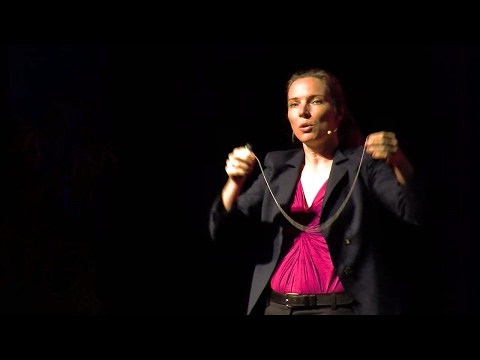
inverted stands the touching pieces of an arch so basically if I have a hanging
an arch so basically if I have a hanging
an arch so basically if I have a hanging chain like this one here and if somehow
chain like this one here and if somehow
chain like this one here and if somehow magically I could freeze it and turn it
magically I could freeze it and turn it
magically I could freeze it and turn it upside down
upside down
upside down that would be the ideal shape for an
that would be the ideal shape for an
that would be the ideal shape for an arch and so Robert Hooke understood that
arch and so Robert Hooke understood that
arch and so Robert Hooke understood that the construction materials that were
the construction materials that were
the construction materials that were available at that time or which which
available at that time or which which
available at that time or which which were basically stone could only take
were basically stone could only take
were basically stone could only take compression forces and so you understood
compression forces and so you understood
compression forces and so you understood that inversion of a chain which can only
that inversion of a chain which can only
that inversion of a chain which can only take tensile forces if you invert that
take tensile forces if you invert that
take tensile forces if you invert that shape then you end up with a structure
shape then you end up with a structure
shape then you end up with a structure that’s totally in compression and that
that’s totally in compression and that
that’s totally in compression and that can be totally built out of stones and
can be totally built out of stones and
can be totally built out of stones and that would be a very efficient structure
that would be a very efficient structure
that would be a very efficient structure and so what we do in my research group
and so what we do in my research group
and so what we do in my research group is we develop algorithms based on this
is we develop algorithms based on this
is we develop algorithms based on this principle of Robert Hooke to generate
principle of Robert Hooke to generate
principle of Robert Hooke to generate large to generate forms for large spans
large to generate forms for large spans
large to generate forms for large spans rules and bridges that basically use
rules and bridges that basically use
rules and bridges that basically use this principle of the hanging chain but
this principle of the hanging chain but
this principle of the hanging chain but people have been using this principle
people have been using this principle
people have been using this principle throughout history and I just want to
throughout history and I just want to
throughout history and I just want to share with you some I think beautiful
share with you some I think beautiful
share with you some I think beautiful structures that have been built so this
structures that have been built so this
structures that have been built so this is I don’t know if you recognize this is
is I don’t know if you recognize this is
is I don’t know if you recognize this is a very old bridge the king ty bridge in
a very old bridge the king ty bridge in
a very old bridge the king ty bridge in Japan and I have superimposed on the
Japan and I have superimposed on the
Japan and I have superimposed on the picture here on the right hand side you
picture here on the right hand side you
picture here on the right hand side you see here a hanging chain which have then
see here a hanging chain which have then
see here a hanging chain which have then inverted and indeed it matches exactly
inverted and indeed it matches exactly
inverted and indeed it matches exactly the shape of that arch as a result this
the shape of that arch as a result this
the shape of that arch as a result this arch can be very very slender and you
arch can be very very slender and you
arch can be very very slender and you can very use very little materials to
can very use very little materials to
can very use very little materials to build this arch now you might think well
build this arch now you might think well
build this arch now you might think well that’s a little bit boring if you can
that’s a little bit boring if you can
that’s a little bit boring if you can only do like an artist know that’s two
only do like an artist know that’s two
only do like an artist know that’s two shapes you can do this shape and then
shapes you can do this shape and then
shapes you can do this shape and then you have an arch and you can do maybe
you have an arch and you can do maybe
you have an arch and you can do maybe one like this and one like this but if
one like this and one like this but if
one like this and one like this but if you start imagining that you can
you start imagining that you can
you start imagining that you can actually for example rotate these shapes
actually for example rotate these shapes
actually for example rotate these shapes around the central axis you end up with
around the central axis you end up with
around the central axis you end up with a dome shape and actually if we look at
a dome shape and actually if we look at
a dome shape and actually if we look at whenever we go back now to London this
whenever we go back now to London this
whenever we go back now to London this is simples Cathedral the inner dome of
is simples Cathedral the inner dome of
is simples Cathedral the inner dome of st. Paul’s Cathedral you can actually
st. Paul’s Cathedral you can actually
st. Paul’s Cathedral you can actually superimpose also a catenary shape on
superimpose also a catenary shape on
superimpose also a catenary shape on that so that is actually a very very
that so that is actually a very very
that so that is actually a very very slender dome also as a side note this
slender dome also as a side note this
slender dome also as a side note this dome is kind of constructed around the
dome is kind of constructed around the
dome is kind of constructed around the same time that Robert Hooke was solving
same time that Robert Hooke was solving
same time that Robert Hooke was solving is riddle so I think there was some
is riddle so I think there was some
is riddle so I think there was some interaction there but so what we do as
interaction there but so what we do as
interaction there but so what we do as when I see a volume of material and I
when I see a volume of material and I
when I see a volume of material and I want to use material a very efficient
want to use material a very efficient
want to use material a very efficient way I’m going to use robert hooke’s
way I’m going to use robert hooke’s
way I’m going to use robert hooke’s example but then in
example but then in
example but then in way to generate shapes and as I said you
way to generate shapes and as I said you
way to generate shapes and as I said you might think that’s very boring because
might think that’s very boring because
might think that’s very boring because the only shape I can come up with is
the only shape I can come up with is
the only shape I can come up with is this shape like the one on the right
this shape like the one on the right
this shape like the one on the right hand side that’s not very inspiring as a
hand side that’s not very inspiring as a
hand side that’s not very inspiring as a designer or as a creative person but
designer or as a creative person but
designer or as a creative person but actually because I’m using numerical
actually because I’m using numerical
actually because I’m using numerical models I can make many many variations
models I can make many many variations
models I can make many many variations they call these parametric variations in
they call these parametric variations in
they call these parametric variations in this process I can make many decisions
this process I can make many decisions
this process I can make many decisions for example I can decide how many
for example I can decide how many
for example I can decide how many supports I’m gonna have whether I’m
supports I’m gonna have whether I’m
supports I’m gonna have whether I’m gonna have internal supports the
gonna have internal supports the
gonna have internal supports the location of these supports I can also
location of these supports I can also
location of these supports I can also decide the elasticity of these models so
decide the elasticity of these models so
decide the elasticity of these models so that I can generate either very shallow
that I can generate either very shallow
that I can generate either very shallow don’t like systems or much taller ones
don’t like systems or much taller ones
don’t like systems or much taller ones so basically me as a person I can
so basically me as a person I can
so basically me as a person I can generate many many different forms and
generate many many different forms and
generate many many different forms and that is why I have put here at the
that is why I have put here at the
that is why I have put here at the bottom of the slide etc because I think
bottom of the slide etc because I think
bottom of the slide etc because I think these numerical methods allow us to
these numerical methods allow us to
these numerical methods allow us to generate a whole new realm forms that we
generate a whole new realm forms that we
generate a whole new realm forms that we as humans have not yet seen before but
as humans have not yet seen before but
as humans have not yet seen before but what all these shapes share is that they
what all these shapes share is that they
what all these shapes share is that they spend very large distance so they can be
spend very large distance so they can be
spend very large distance so they can be used for rules and bridges and all kinds
used for rules and bridges and all kinds
used for rules and bridges and all kinds of things that need large spanning
of things that need large spanning
of things that need large spanning systems they are all very efficient so
systems they are all very efficient so
systems they are all very efficient so that means that they use very little we
that means that they use very little we
that means that they use very little we need to put very little materials in
need to put very little materials in
need to put very little materials in there because because because of their
there because because because of their
there because because because of their form follows the forces that are in them
form follows the forces that are in them
form follows the forces that are in them we can make them very slender and that’s
we can make them very slender and that’s
we can make them very slender and that’s really great because that means that we
really great because that means that we
really great because that means that we don’t really need to get so many
don’t really need to get so many
don’t really need to get so many materials out of the earth that means
materials out of the earth that means
materials out of the earth that means that we don’t need to admit so much co2
that we don’t need to admit so much co2
that we don’t need to admit so much co2 emissions to process these materials and
emissions to process these materials and
emissions to process these materials and also they can be more economic and I
also they can be more economic and I
also they can be more economic and I think clients and taxpayers like these
think clients and taxpayers like these
think clients and taxpayers like these kind of things and on top of that I
kind of things and on top of that I
kind of things and on top of that I would even argue that maybe some of
would even argue that maybe some of
would even argue that maybe some of these forms have some aesthetic quality
these forms have some aesthetic quality
these forms have some aesthetic quality these are forms as I said that purely
these are forms as I said that purely
these are forms as I said that purely come out of algorithms you know I have
come out of algorithms you know I have
come out of algorithms you know I have some say by choosing parameters I have
some say by choosing parameters I have
some say by choosing parameters I have some say in steering these forms but I
some say in steering these forms but I
some say in steering these forms but I think some of them have some aesthetic
think some of them have some aesthetic
think some of them have some aesthetic quality and I think this is also very
quality and I think this is also very
quality and I think this is also very important is if as engineers and
important is if as engineers and
important is if as engineers and architects we’re building the envisaging
architects we’re building the envisaging
architects we’re building the envisaging and designing the build landscape that
and designing the build landscape that
and designing the build landscape that we do this also in a sense a sense for
we do this also in a sense a sense for
we do this also in a sense a sense for aesthetics but
aesthetics but
aesthetics but it has been shown that people that live
it has been shown that people that live
it has been shown that people that live in beautiful places usually feel happier
in beautiful places usually feel happier
in beautiful places usually feel happier and are actually more productive and
and are actually more productive and
and are actually more productive and have a better life so in that way I
have a better life so in that way I
have a better life so in that way I think that my work that I’m doing is
think that my work that I’m doing is
think that my work that I’m doing is maybe not so different from the one that
maybe not so different from the one that
maybe not so different from the one that my friend sculptor is doing thank you
[Applause]
[Applause] [Music]
”
Be First to Comment