
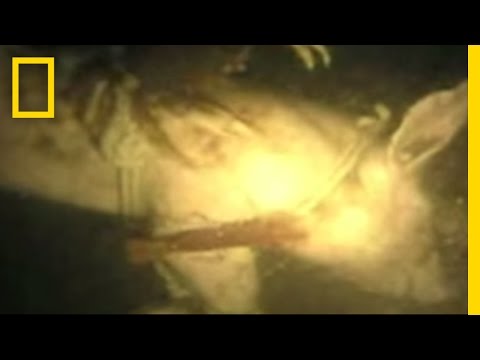
sometimes a scientific study reveals things that were never expected to be
things that were never expected to be
things that were never expected to be part of the discovery while conducting
part of the discovery while conducting
part of the discovery while conducting forensic Studies on human decomposition
forensic Studies on human decomposition
forensic Studies on human decomposition scientists in Canada found deep-sea
scientists in Canada found deep-sea
scientists in Canada found deep-sea dwelling animals taking a chance and
dwelling animals taking a chance and
dwelling animals taking a chance and going after a pig carcass where oxygen
going after a pig carcass where oxygen
going after a pig carcass where oxygen is at extremely low levels pigs are used
is at extremely low levels pigs are used
is at extremely low levels pigs are used in decomposition studies because they
in decomposition studies because they
in decomposition studies because they are anatomically similar to humans the
are anatomically similar to humans the
are anatomically similar to humans the 4th Pig deployment in the study was the
4th Pig deployment in the study was the
4th Pig deployment in the study was the most dramatic recorded in the Strait of
most dramatic recorded in the Strait of
most dramatic recorded in the Strait of Georgia British Columbia
Georgia British Columbia
Georgia British Columbia several sixgill sharks annihilated the
several sixgill sharks annihilated the
several sixgill sharks annihilated the carcass eliminating it within a day at
carcass eliminating it within a day at
carcass eliminating it within a day at more than 900 feet below sea level it’s
more than 900 feet below sea level it’s
more than 900 feet below sea level it’s at depths like this that oxygen drops to
at depths like this that oxygen drops to
at depths like this that oxygen drops to very low levels leading to the term dead
very low levels leading to the term dead
very low levels leading to the term dead zones in recent years dead zones are
zones in recent years dead zones are
zones in recent years dead zones are occurring more frequently in many areas
occurring more frequently in many areas
occurring more frequently in many areas of the ocean the lead researcher Verena
of the ocean the lead researcher Verena
of the ocean the lead researcher Verena Tunnicliffe of the University of
Tunnicliffe of the University of
Tunnicliffe of the University of Victoria said the scientists were very
Victoria said the scientists were very
Victoria said the scientists were very surprised to see how far animals push
surprised to see how far animals push
surprised to see how far animals push their limits to go after an enticing
their limits to go after an enticing
their limits to go after an enticing meal in this video recorded in British
meal in this video recorded in British
meal in this video recorded in British Columbia’s Saanich Inlet the first
Columbia’s Saanich Inlet the first
Columbia’s Saanich Inlet the first animal on the scene was a squat lobster
animal on the scene was a squat lobster
animal on the scene was a squat lobster over several days scientists observed
over several days scientists observed
over several days scientists observed more squat lobsters coming for a meal as
more squat lobsters coming for a meal as
more squat lobsters coming for a meal as well as crabs and shrimp this pig
well as crabs and shrimp this pig
well as crabs and shrimp this pig carcass was devoured by the 23rd day
carcass was devoured by the 23rd day
carcass was devoured by the 23rd day according to dr. Tunnicliffe the pigs
according to dr. Tunnicliffe the pigs
according to dr. Tunnicliffe the pigs used at MIT study coordinated with
used at MIT study coordinated with
used at MIT study coordinated with Canada’s Venus Project were originally
Canada’s Venus Project were originally
Canada’s Venus Project were originally raised for market they were euthanized
raised for market they were euthanized
raised for market they were euthanized humanely under strict government
humanely under strict government
humanely under strict government regulations the findings were presented
regulations the findings were presented
regulations the findings were presented at a meeting of the American Geophysical
at a meeting of the American Geophysical
at a meeting of the American Geophysical Union in Portland Oregon this week the
Union in Portland Oregon this week the
Union in Portland Oregon this week the scavenger animals usually hang out at
scavenger animals usually hang out at
scavenger animals usually hang out at shallower depths where oxygen levels are
shallower depths where oxygen levels are
shallower depths where oxygen levels are higher but the pig carcasses attracted a
higher but the pig carcasses attracted a
higher but the pig carcasses attracted a daring crowd
daring crowd
daring crowd if the crabs squat lobsters and other
if the crabs squat lobsters and other
if the crabs squat lobsters and other animals stay too long in oxygen-depleted
animals stay too long in oxygen-depleted
animals stay too long in oxygen-depleted waters they will suffocate one pig in
waters they will suffocate one pig in
waters they will suffocate one pig in the experiments at untouched for nearly
the experiments at untouched for nearly
the experiments at untouched for nearly two months apparently because the oxygen
two months apparently because the oxygen
two months apparently because the oxygen level is too low to support the hungry
level is too low to support the hungry
level is too low to support the hungry scavengers the findings will help
scavengers the findings will help
scavengers the findings will help scientists in their study of other
scientists in their study of other
scientists in their study of other locations such as the Mississippi Delta
locations such as the Mississippi Delta
locations such as the Mississippi Delta where fertilizer from upstream
where fertilizer from upstream
where fertilizer from upstream agricultural runoff lowers oxygen levels
agricultural runoff lowers oxygen levels
agricultural runoff lowers oxygen levels the so called dead zones also diminish
the so called dead zones also diminish
the so called dead zones also diminish the success of fishermen’s attempts at
the success of fishermen’s attempts at
the success of fishermen’s attempts at catching shrimp crab and other
catching shrimp crab and other
catching shrimp crab and other commercial species
”
Be First to Comment